


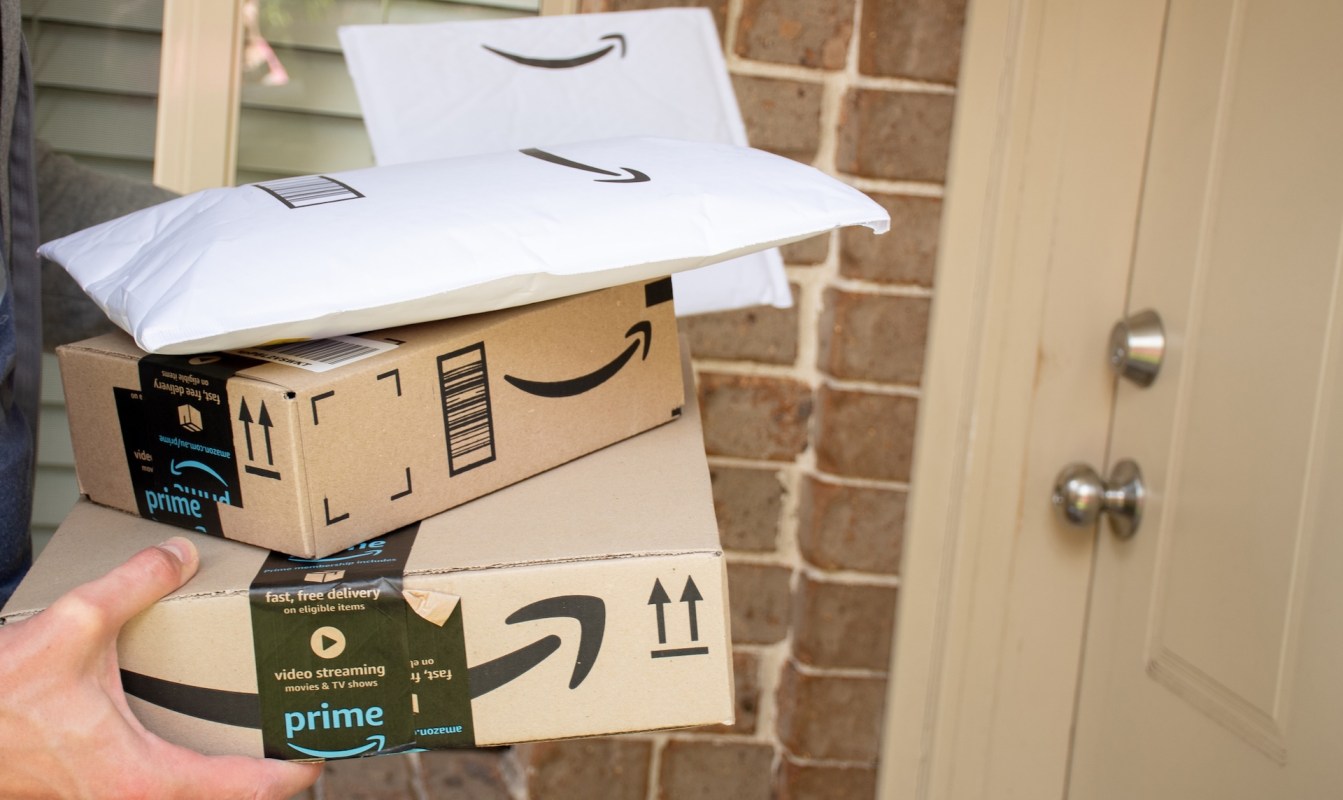
For many families, online shopping can be a lifeline, helping older adults maintain independence. But when memory loss enters the picture, that convenience can quickly turn into an expensive problem.
That was the dilemma one adult child raised after their parent began placing repeat Amazon orders—not because she needed more items, but because she didn't remember she had already purchased them.
Here's what to know
Amazon was helping the parent stay independent, the OP said in a post on Reddit. But that same convenience had become hard to manage: with the parent "in the beginning stages of memory loss," repeat purchases were being placed and processed before the family could step in.
They emphasized that they were not trying to completely take over the shopping process. What they hoped for was some added "friction" — even just a short delay — because orders like "two robes or 4 clocks of exact same type" were already going through, and "the speed with which the orders are fulfilled makes it difficult to cancel." That lag, they suggested, could help keep the credit card bill from spiraling while still letting their parent buy what was needed.
One user said, "My dad does the same thing with the clocks. I swear they multiply in the cart."
More background
The issue is especially complicated because services like Amazon can make life easier for older adults, particularly those with mobility challenges or early cognitive decline.
TCD Picks » Quince Spotlight
💡These best-sellers from Quince deliver affordable, sustainable luxury for all




Once an order moves from cart to "shipped" in a matter of hours, the easy option of canceling can disappear, leaving caregivers to deal with returns or simply absorb the extra purchase.
That can be particularly stressful for households trying to protect retirement income or stretch fixed budgets. A few accidental purchases may sound minor, but repeated duplicates — especially when combined with paid shipping, audiobooks, or bulk quantities — can add up fast.
One user recalled a parent ending up with "a three‑lifetimes supply" of certain items, while another said their parent kept buying the same products because she "didn't remember she had ordered it and/or didn't know how to check purchase history."
What can be done?
Most of the suggestions focused on adding practical guardrails instead of fully removing access.
Someone proposed deleting saved card information and using a gift card instead. Another commenter suggested moving the parent onto an Amazon Family account controlled by the adult child.
Other users recommended prepaid cards to cap monthly spending or switching the account email so order confirmations go to the caregiver.
A few users suggested simply becoming the go-between for purchases, especially if the parent is already in assisted living or using a new device without the Amazon app installed.
Where can I learn more?
Amazon's convenience can create plenty of other headaches too. These stories look at oversized packaging, the hidden costs of frequent deliveries and returns, and Amazon's attempts to change how orders are packed.
• One Amazon shopper opened a massive Amazon package and found an absurd amount of waste inside.
• Another Amazon customer checked sizing and still ended up with a padded envelope.
• After tallying trucks, boxes, and returns, one shopper found online shopping felt anti-consumption only at first.
• Amazon said the way consumers shop could change as recyclable packaging gets easier to separate.

Get TCD's free newsletters for easy tips, smart advice, and a chance to earn $5,000 toward home upgrades. To see more stories like this one, change your Google preferences here.






