


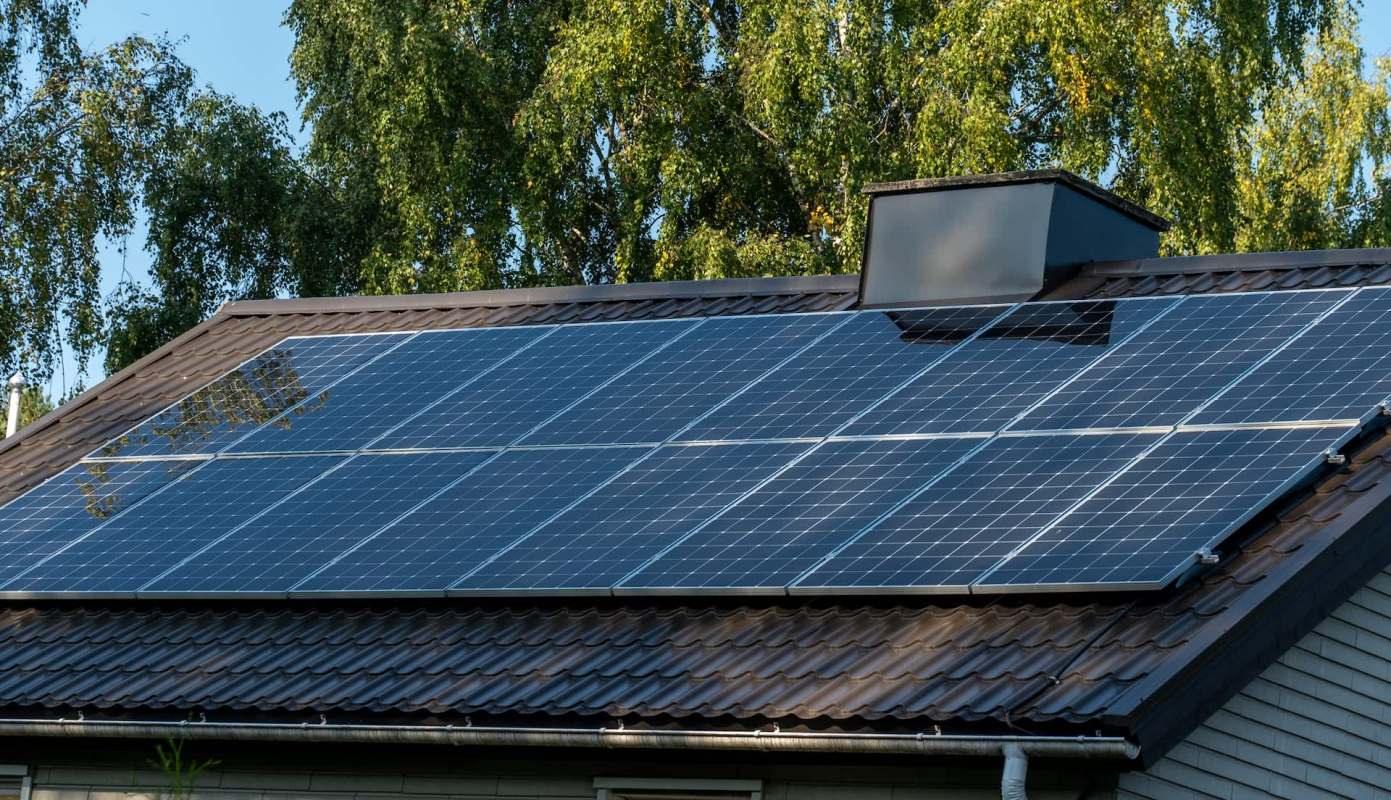
After earthquakes or wildfire-related outages, backup power can feel less like a luxury and more like insurance. That concern was behind one Los Angeles homeowner's question about whether rooftop solar and a single Powerwall could keep a home running through a major blackout.
The question came from a post on Reddit where the homeowner asked, "Will I have enough power for my fridge, lights, charging my EV, powering the a/c or heat? Not everything in my house, but solid basic power for essentials? Can a well designed system actually handle all that with, say, a Powerwall 3 to store power during the day?"
Replies generally suggested that basics may be doable, but that a single battery may not support that entire list all at once.
Here's what to know
Commenters shared real-world numbers from their own systems, and those figures showed how much system size and weather can matter.
Production swings were a recurring theme. One person in the SF Bay Area said summer generation can exceed 60 kilowatt-hours a day, while sunny winter days may land closer to 30. Another commenter said a setup with 16 kW of solar and 30 kWh of battery storage could make it through much of the year with only moderate reductions in usage.
Weather, though, was the main caution. One commenter said a six-day stretch of storms produced only 32 kilowatt-hours in total, adding, "On 5kWh a day over an extended period most will struggle to even run essentials."
Another commenter summed up that same limitation: "A single battery isn't going to cover electric HVAC and EV charging."
Protecting yourself from a major blackout is just one of the benefits of going solar. It's also one of the best ways to save money on home energy. If you're thinking of making the upgrade, you can check out EnergySage to get free solar installation estimates and compare quotes.
Save $10,000 on solar panels without even sharing your phone number Want to go solar but not sure who to trust? EnergySage has your back with free and transparent quotes from fully vetted providers that can help you save as much as $10k on installation. To get started, just answer a few questions about your home — no phone number required. Within a day or two, EnergySage will email you the best local options for your needs, and their expert advisers can help you compare quotes and pick a winner. |

More background
This kind of question is especially relevant in places where outages can follow extreme weather or other disasters. A solar-and-battery setup can make day-to-day life easier by keeping food cold, lights on, devices charged, and internet available, while also helping households avoid expensive peak electricity costs.
But resilience comes down to math, not just equipment.
The battery-size gap is part of the challenge. Commenters noted that a Powerwall stores 13.5 kilowatt-hours, while an EV battery is far larger, so charging a car or running electric air-conditioning can quickly use up home backup power. A setup that works for an eight-hour outage, then, may still fall short during a week-long emergency.
What can be done?
Before buying equipment, homeowners need to figure out how much electricity they use each day and which loads must stay on during an outage.
More From EnergySage
💡Go deep on the latest news and trends shaping the residential solar landscape
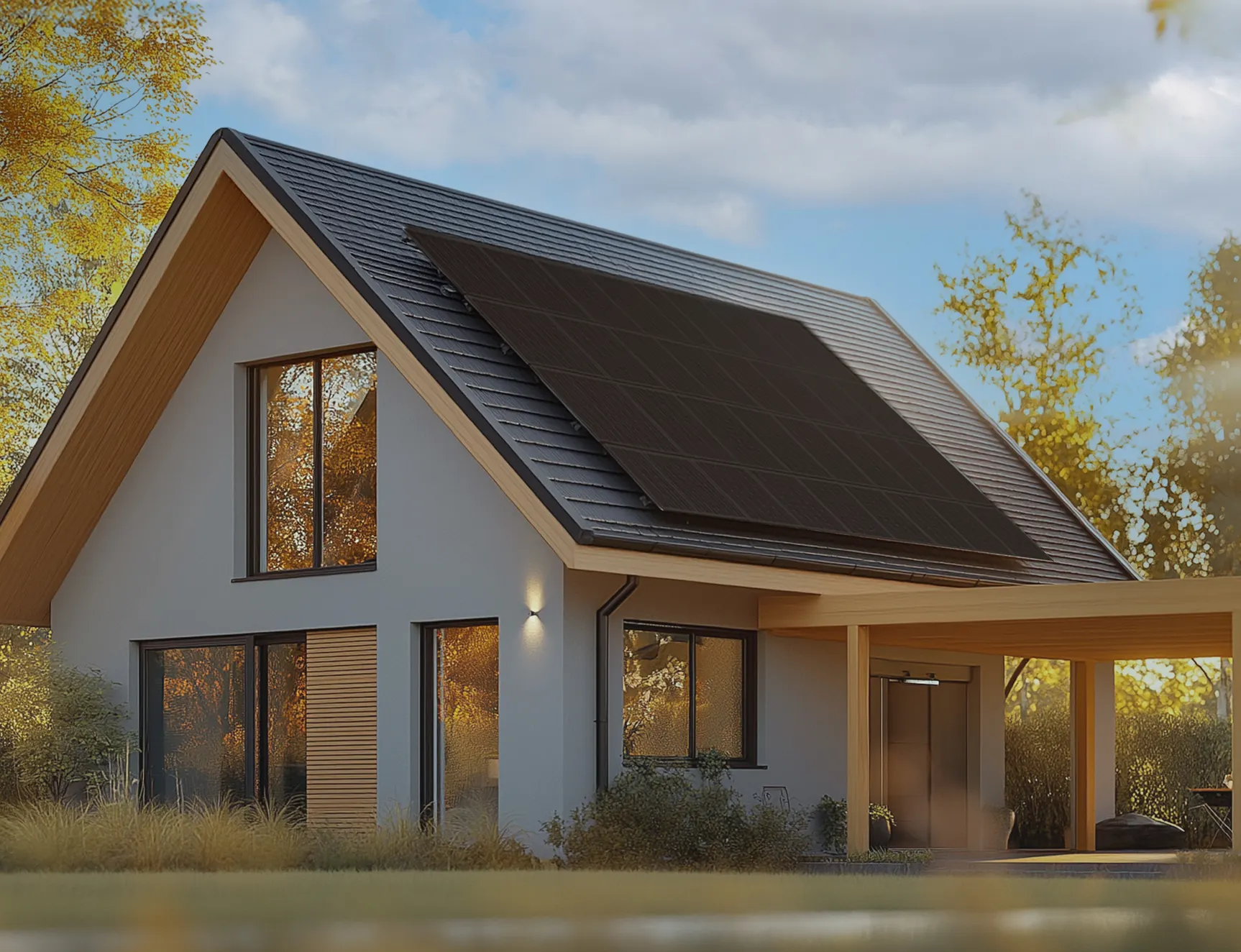
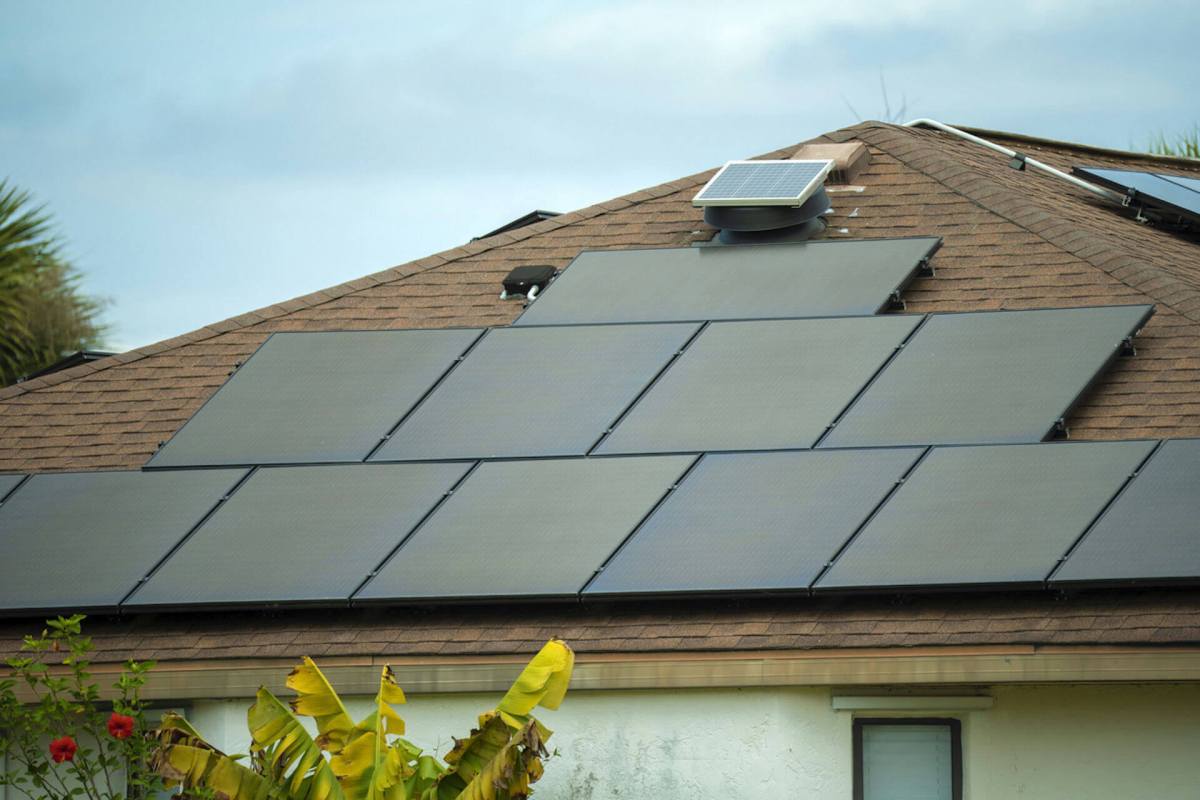
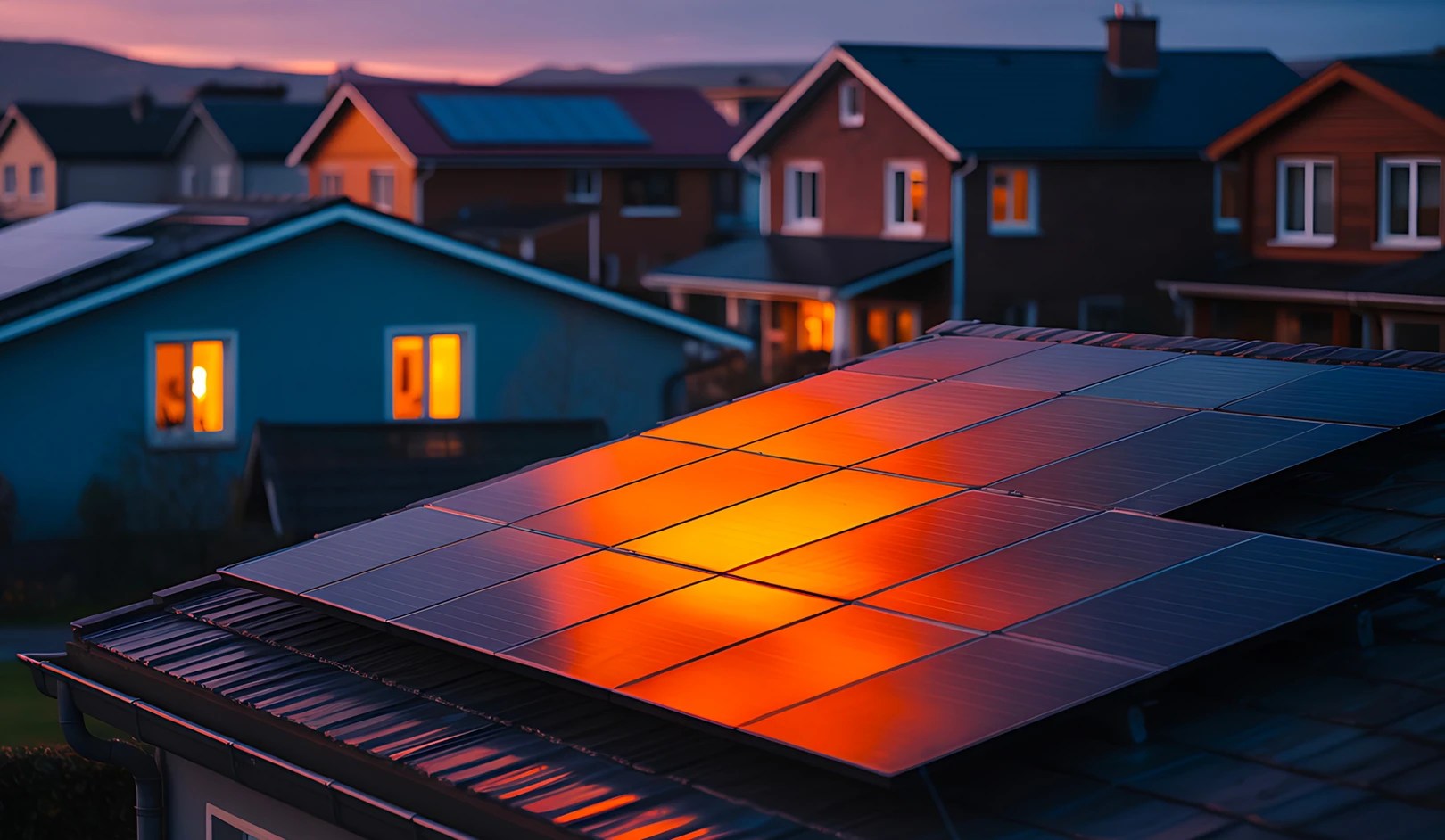

Adding battery storage to a solar setup is one of the best ways to protect your home during outages, save on energy costs, and go off-grid. Homeowners can explore EnergySage for information about home battery storage options, including competitive installation estimates.
For people still comparing options, EnergySage can also help clarify the financial side. With EnergySage's help, the average person can save up to $10,000 on solar purchases and installations. EnergySage's solar map shows the average cost of a home solar panel system by state, along with details on solar panel incentives for each state; together, these resources can help homeowners get the best price for rooftop solar panels and access available incentives.
Some commenters said a well-sized system can go a long way under ideal conditions. As one commenter wrote, "With blue sunny skies we could have run for days, weeks like this."
Where can I learn more?
Solar, batteries, and backup planning can look very different once the grid goes down. These articles dig into homeowners riding through outages, the economics of storage, and the blackout pressures pushing more people toward resilient energy setups.
• After a storm knocked out power on one street, solar and battery backup kept one family comfortable.
• Across much of the U.S., home battery math has shifted as net metering disappears.
• Preppers debating outages said generators or rooftop solar can look different once fuel is counted.

Get TCD's free newsletters for easy tips, smart advice, and a chance to earn $5,000 toward home upgrades. To see more stories like this one, change your Google preferences here.






