


A family's water-damage nightmare did not end once repairs began. After hotel stays, a move to another town, and drawn-out battles with insurance and contractors, one prepper said the ordeal drained savings, created debt, and ruined much of their emergency food.
The discussion that followed talked about how keeping prepared is worthwhile, but so too is financial stability and keeping that planning realistic.
Here's what to know
Posting on the subreddit r/preppers, the original poster described how the aftermath of water damage disrupted both daily life and existing preparations. "We used or lost (due to heat exposure) most of our stored foods/goods," the poster wrote. "So now everything feels like starting over."
Instead of asking what items to replace first, the poster asked the community how to reevaluate the household's position and decide where to begin again.
The clearest message from many commenters was that the immediate problem was financial strain. One commenter put it plainly: "Debt is your big emergency here. Pay down the debt before you spend money you don't have on preps." Another agreed, while others suggested rebuilding supplies slowly instead of treating debt repayment and preparedness as an all-or-nothing choice.
One reply made that case, noting that the family's debt came from "an actual emergency, not careless spending." That commenter said it was possible to address both concerns at the same time by beginning with a small "deep pantry" and a one-week reserve, with attention to basics like water, cooking, and power.
TCD Picks » Quince Spotlight
💡These best-sellers from Quince deliver affordable, sustainable luxury for all




More background
One commenter wrote, "The biggest asset you just bought with your pain is a real world stress test. You now know exactly what failed without guessing based on YouTube videos or survivalist fantasy."
Several people in the comments argued that replacing supplies is only part of the lesson, especially if stored goods are potentially hard to cycle through, exposed to flooding or heat, or separate from what the household normally uses. One commenter summed up that approach with a familiar rule: "Store what you eat and eat what you store."
Money, know-how, and planning came up alongside food storage throughout the discussion. Multiple commenters warned that carrying debt into the next crisis can make recovery even more difficult.
What can be done?
Most commenters described recovery as a step-by-step process, with a general recommendation to steady everyday life by covering core expenses, bringing debt under control, and rebuilding at least a small cash cushion before the next setback arrives.
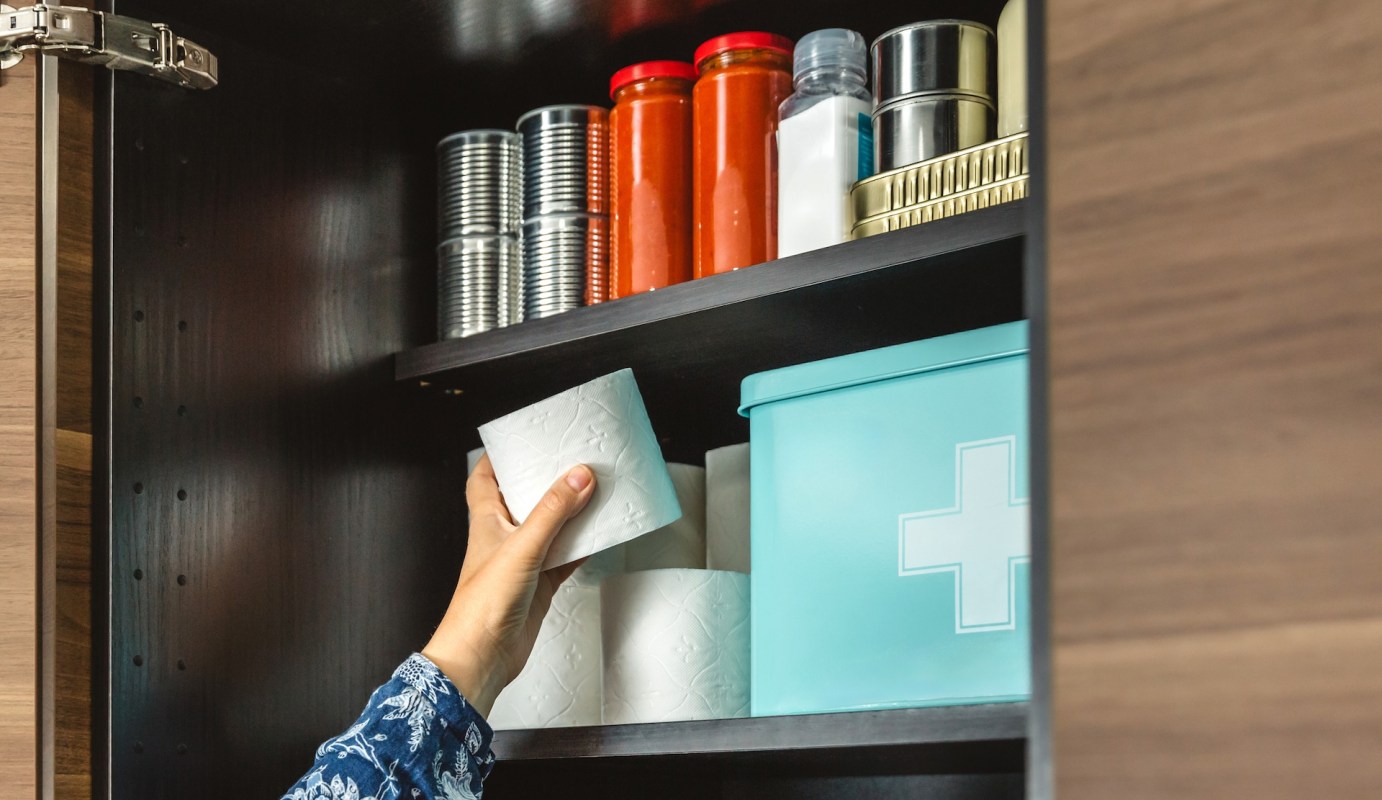
After that, users advised adding preps in manageable amounts during normal errands instead of trying to replace everything at once — this includes gradually buying extra food, water, toilet paper, and over-the-counter medicine, while focusing on items the family will actually use.
Another recurring theme was skill-building, which commenters presented as a cheaper form of preparedness. Some examples included learning first aid, home-repair basics, fitness, and emergency planning.
Other ideas focused on using the disruption as a planning tool — write down what went wrong, sketch out evacuation routes or meeting points, and aim first for a short buffer of three days or one week before thinking about more complex stockpiles.
One commenter added, "The big advantage here is that these skills will never go bad or flood, and you have them with you always."
Where can I learn more?
If you're rebuilding after an expensive setback, these articles dig into the same budget, storm, and resilience questions that came up here. They look at low-cost prep strategies, storm-readiness checklists, and ways to make homes more resilient before the next emergency.
• In the Reddit prepper community, emergency preparation on a budget stayed central for cash-strapped households.
• Homeowners swapping storm lessons found ultimate storm preparation tips often centered on simple basics.
• Across vulnerable neighborhoods, making homes more disaster-resilient became a way to limit future losses.

Get TCD's free newsletters for easy tips, smart advice, and a chance to earn $5,000 toward home upgrades. To see more stories like this one, change your Google preferences here.






