


As Europe leans more heavily on affordable EVs to cut pollution and keep transportation within reach for drivers, workers, and cities, BMW warns that unusually cheap Chinese vehicles could warp market competition.
The automaker is not calling for a wider tariff clash, though. Instead, it says negotiation offers a better way forward.
Here's what to know
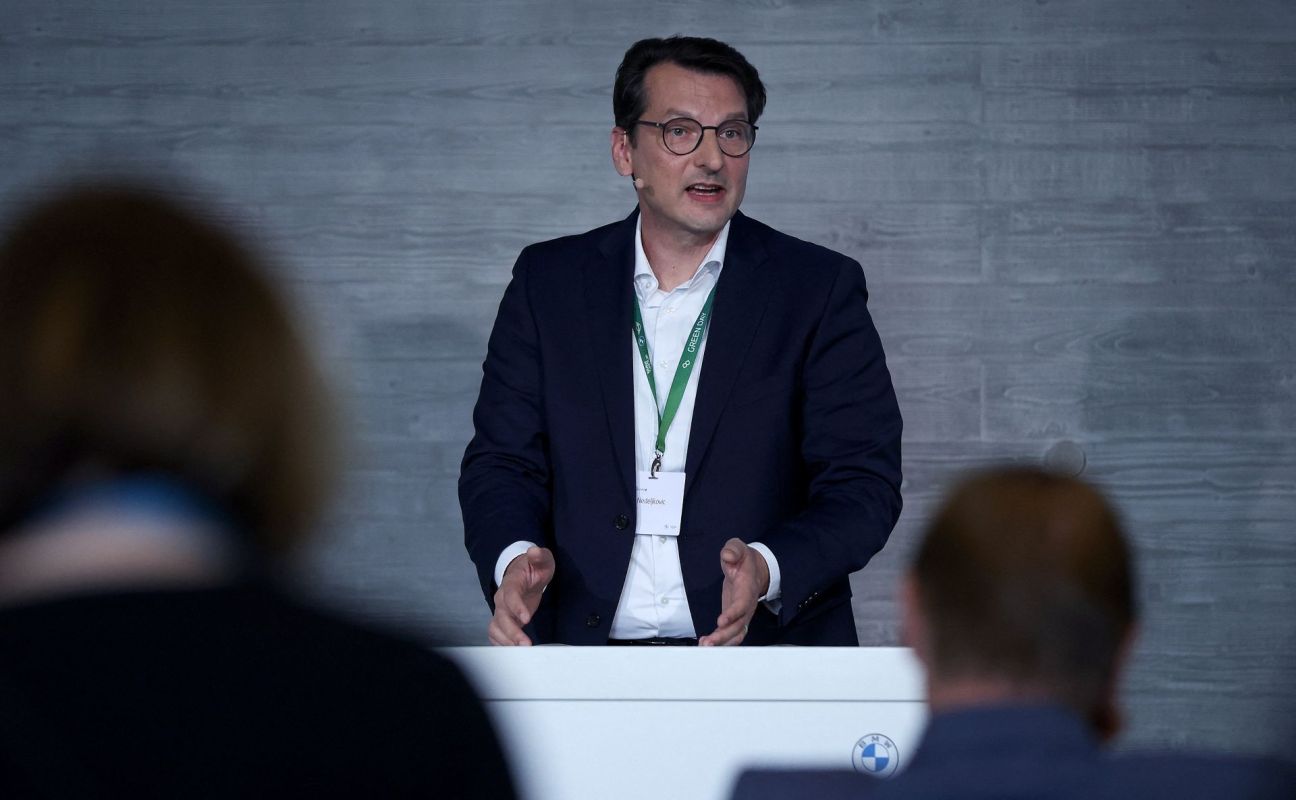
BMW CEO Milan Nedeljković made that case in comments to Frankfurter Allgemeine Zeitung, as Motor1 reported, saying, "Some Chinese cars are being offered here at prices that make no business sense. This is leading to protectionist tendencies in Europe and efforts to protect domestic markets. BMW operates globally; we support free trade, and we embrace competition. But a distortion of competition caused by incomprehensible pricing is dangerous."
Following an anti-subsidy investigation, the European Union imposed duties on battery-electric vehicles made in China. Those tariffs differ by manufacturer and range from 17% to 35.3%.
BMW's position reflects both the growth of Chinese rivals and its own global manufacturing footprint. Brands including BYD, SAIC, and Geely have been expanding across Europe with lower-priced models and increasingly advanced technology, while BMW also builds some vehicles in China for shipment to Europe, including the electric Mini Cooper hatchback and Aceman crossover.
Lower-cost EVs can help families spend less on fuel while reducing tailpipe pollution, but a trade fight that pushes prices higher could make cleaner transportation harder to access.
TCD Picks » Quince Spotlight
💡These best-sellers from Quince deliver affordable, sustainable luxury for all




More background
BMW is facing pressure on multiple fronts. In China, where domestic automakers have moved quickly on electrification and in-car technology, BMW Group sales — including Mini — dropped from 847,900 vehicles in 2021 to 626,000, according to the company's Annual Report 2025, Motor1 reported.
In Europe, meanwhile, automakers and policymakers are debating how to respond. Volkswagen Group, Renault Group, and Stellantis have issued a joint statement on "Made in Europe," a proposed European Union industrial framework that would require 70% of a vehicle's parts to come from the region.
That kind of policy, however, could come at a meaningful cost for consumers. Euronews reported that Bruegel said such a requirement could raise an EV's asking price by more than €2,000 (about $2,275 at current exchange rates).
If Europe responds to competitive pressure mainly with higher barriers and more expensive supply chains, it could slow the transition to cleaner cars, add strain to household budgets, and make it harder for communities to benefit from lower-emission transportation.
What's being done?
Nedeljković said he would rather see the issue handled through political negotiation than through a deeper tariff battle. He said, "Additional tariffs would be an even greater intervention, which is why I favor voluntary agreements based on fair framework conditions. These are negotiations that must now take place at the political level. As a retaliatory measure, the Chinese could restrict the supply of battery cells, on which Europe depends."
Preserving competition without triggering a price spike could help protect jobs and investment while maintaining access to more affordable EVs.
Europe's challenge is striking a balance between preventing market distortions and ensuring cleaner vehicles remain accessible enough to keep transportation moving in a lower-pollution direction.
The outcome extends beyond the auto sector. As Nedeljković said, "No one wants an escalation. But the goal is to ensure sound market conditions in the long term, because jobs and the ability to attract investment depend on them. That is why one thing is certain: policymakers in Brussels and Berlin must strengthen the competitive conditions for our economy. Competitiveness cannot be achieved through isolationism."
Where can I learn more?
These stories take a closer look at the competitive and pricing pressures reshaping Europe's EV market. They explore how Chinese brands are expanding, how European automakers are responding, and how price wars are rippling through the industry.
• Across Europe, automakers are shrinking EVs to fight cheaper Chinese rivals and SUV bloat.
• In Europe, Chinese brands outmaneuvered global rivals with faster launches and lower prices.
• Chinese EV makers are racing across the globe, widening the pressure on Western automakers.
• China's EV price war left 70% of car sales unprofitable for automakers.

Get TCD's free newsletters for easy tips, smart advice, and a chance to earn $5,000 toward home upgrades. To see more stories like this one, change your Google preferences here.






