


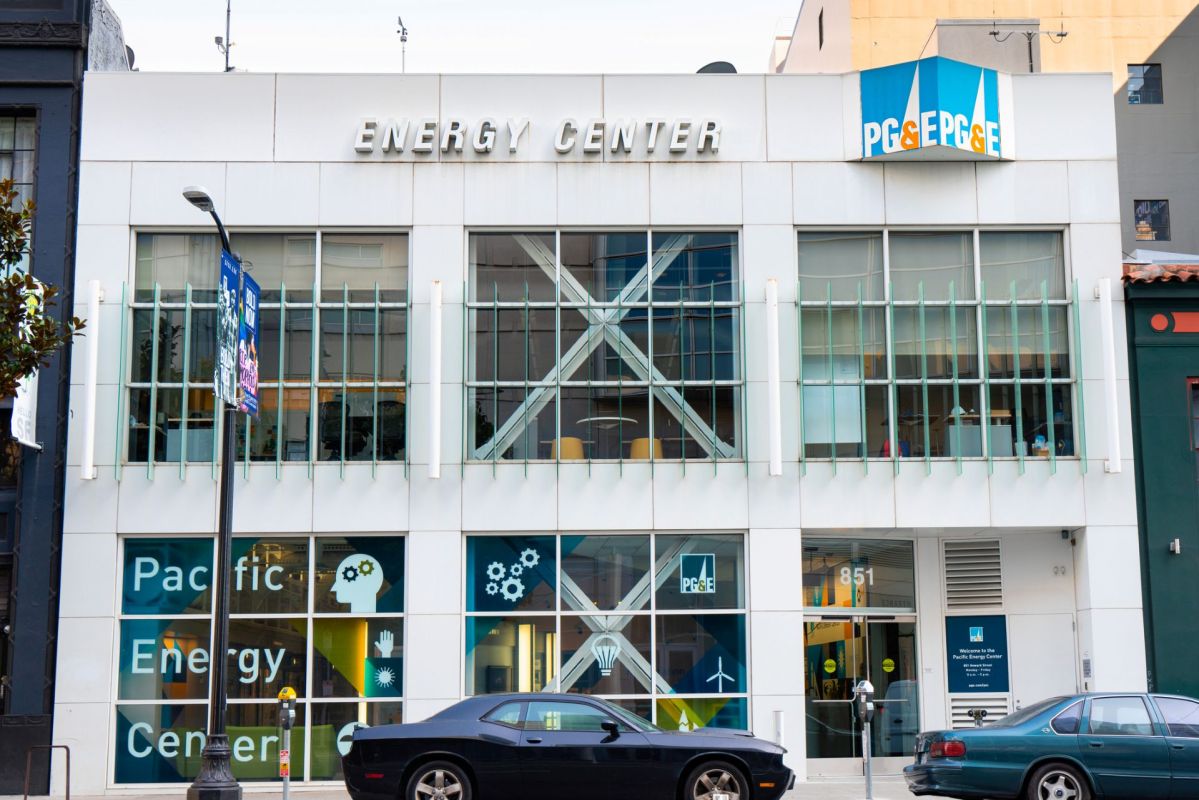
San Francisco's long-discussed effort to take control of Pacific Gas & Electric's local power grid may be regaining momentum.
Two developments could indicate whether the idea remains largely political talk or turns into a real, expensive contest over public power.
Here's what to know
City officials are weighing whether to move forward with a public takeover of PG&E's poles, wires, and substations in San Francisco, according to The San Francisco Standard.
One of the most immediate issues is PG&E's appeal of the city's environmental impact review.
If supervisors deny it, San Francisco would move one step closer to the possible use of eminent domain for public power. The environmental review itself began after former Mayor London Breed asked the San Francisco Public Utilities Commission to examine the idea.
Rather than moving straight to eminent domain, city leaders are first looking at whether revenue bonds could fund a purchase of PG&E's San Francisco assets. As a result, valuation has become the next major issue.
TCD Picks » Quince Spotlight
💡These best-sellers from Quince deliver affordable, sustainable luxury for all




In April, the city valued PG&E's San Francisco system at $3.4 billion. PG&E must submit its own estimate by Oct. 20 in the city-initiated case before the California Public Utilities Commission, and the utility is expected to put the figure much higher.
More background
A city-run system could give San Francisco more direct control over local grid decisions. However, it would also carry an enormous financial burden.
City Hall's posture toward PG&E also appears to be changing. After the December blackout, supervisors have shown little enthusiasm for the utility, which could make backing its appeal less likely, according to the Standard.
PG&E argues that the city's environmental impact report leaves out effects the public should weigh, calling it "deficient" and pointing to "years of construction, traffic, noise, and air-quality impacts."
The utility has also attacked the city's $3.4 billion estimate as "unrealistic," arguing that it leaves out "the billions of dollars necessary to physically separate San Francisco from PG&E's grid," along with other major expenses.
What's being done?
San Francisco is moving through procedural and financial steps rather than pursuing an immediate forced takeover.
The city appears focused on clearing environmental review requirements and securing a more formal valuation before deciding whether to move forward.
Any eventual transition would need to account for both the purchase price and the challenge of separating the system from PG&E's grid.
On Oct. 14, a Commonwealth Club event is set to feature PG&E CEO Patti Poppe and public power advocate state Sen. Scott Wiener, as noted by The San Francisco Standard, putting two of the issue's most prominent voices on the same stage.
City hearings and the state valuation proceeding will shape what San Franciscans learn next about the costs and risks, and whether the proposal can move beyond theory.
Where can I learn more?
These stories look at fights over utility control, power costs, and California's grid future. They cover San Francisco's latest PG&E takeover milestone, pressure on rooftop solar customers, and other high-stakes utility spending decisions.
• In San Francisco, officials cleared a key hurdle in the push to acquire PG&E's grid.
• In Minnesota, a proposed utility sale could keep a critical project afloat amid financing concerns.
• PacifiCorp is seeking permission to bill customers for $1.7 billion in wildfire damages.

Get TCD's free newsletters for easy tips, smart advice, and a chance to earn $5,000 toward home upgrades. To see more stories like this one, change your Google preferences here.






