


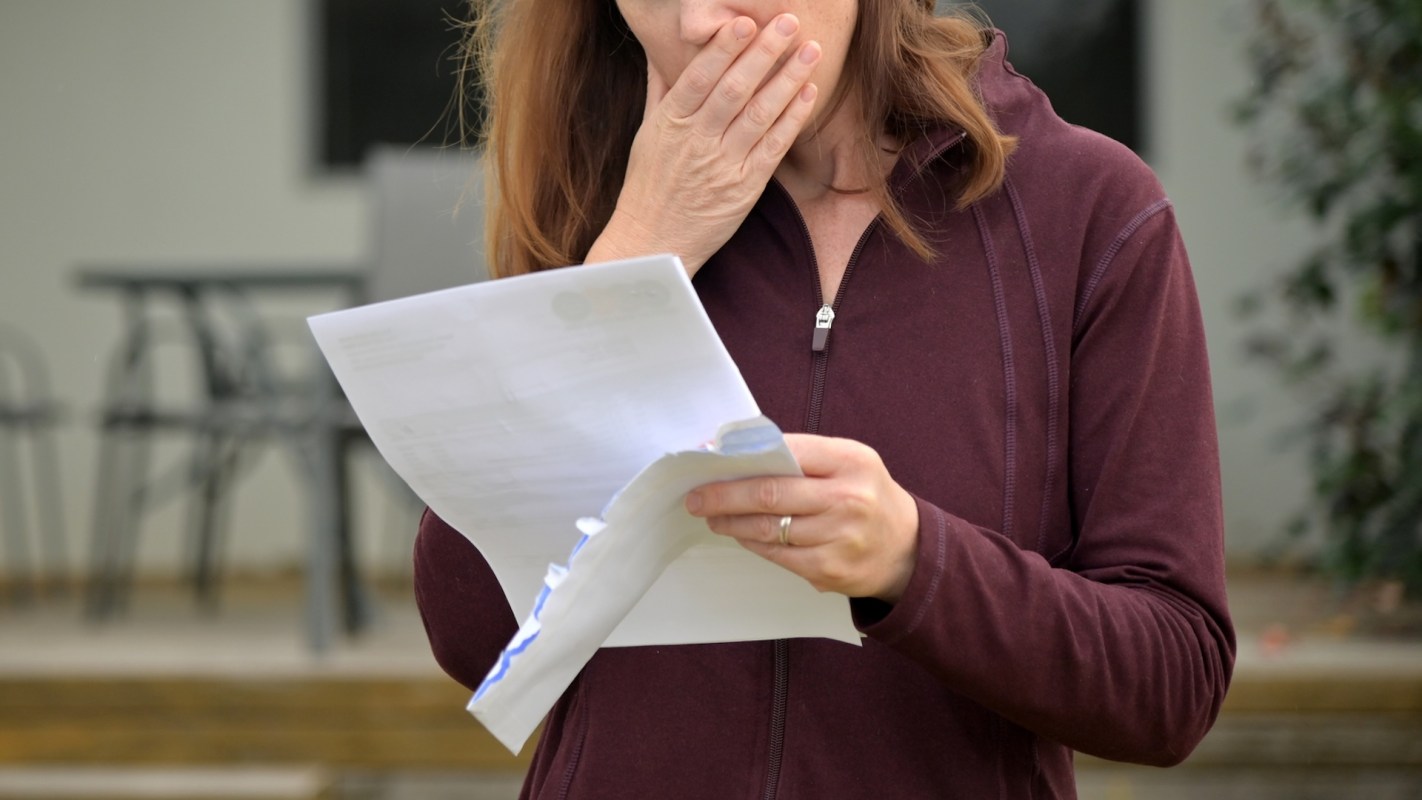
A Missouri policyholder said a homeowners insurer they had used for almost a decade sent a nonrenewal notice with only three weeks' warning.
They said the most troubling part was later hearing that a critical Google review might have influenced the outcome.
Here's what to know
In a Reddit thread, the poster said they chose Clarks Fork Mutual because it was local, competitively priced, and a company they wanted to support.
They said the company informed them that their homeowners policy would not be renewed, citing "underwriter guidelines."
A follow-up phone call, they said, made the situation sound even more concerning.
"I was then told that I was considered an 'undesirable customer' and that sometimes the underwriters do not like what customers write in Google reviews," the OP wrote in a follow-up comment.
TCD Picks » Quince Spotlight
💡These best-sellers from Quince deliver affordable, sustainable luxury for all




Other Redditors were skeptical of that explanation.
One commenter suggested the issue was more likely tied to the home itself, writing, "Your agent is pulling your leg about a Google review. However, your agent may have meant Google maps, because the insurance company saw your roof was old."
Another commenter who said they work as an underwriter also strongly pushed back on the idea that a bad review alone would lead to a nonrenewal.
"As an underwriter, if someone found out that I non-renewed a policy solely because I don't like something the insured said, I'd lose my job," they wrote.
More background
A nonrenewal can leave people scrambling to find replacement coverage, often with little time to compare prices, terms, or eligibility requirements.
The situation also prompted questions about how transparent the process is and what Missouri oversight may apply.
The homeowner added that they had asked about the decision and wrote, "I was little surprised with the notice. I did ask them about this, and she told me that because they do not fall under the DCI [Department of Commerce & Insurance], they are not required to do so."
What can be done?
The clearest advice from commenters was to get more details and start shopping immediately.
One commenter also pointed to the home's visible condition, especially the roof. If an insurer is relying on imagery, visible signs of wear could factor into a nonrenewal.
Commenters also suggested asking direct questions before buying a policy: Why are nonrenewals issued? What standards are used? Is the company subject to typical state oversight?
"I found that very troubling, especially since my review was simply an honest account of my experience," the OP wrote.
Another commenter summed up the thread's skepticism, stating, "Underwriting guidelines do not include negative Google reviews or mean tweets."
Where can I learn more?
Other homeowners have also raised questions after insurers ended or threatened to end their coverage. These cases involve disputed cancellations, nonrenewals, and insurer pullbacks tied to property conditions or rising regional risks.
• A homeowner said Allstate used Google Earth roof photos to justify a cancellation threat.
• In California, a homeowner sued Liberty Mutual over an allegedly egregious reason for canceling coverage.
• In Texas, Lemonade told homeowners it won't be able to renew policies in high-risk areas.

Get TCD's free newsletters for easy tips, smart advice, and a chance to earn $5,000 toward home upgrades. To see more stories like this one, change your Google preferences here.






