


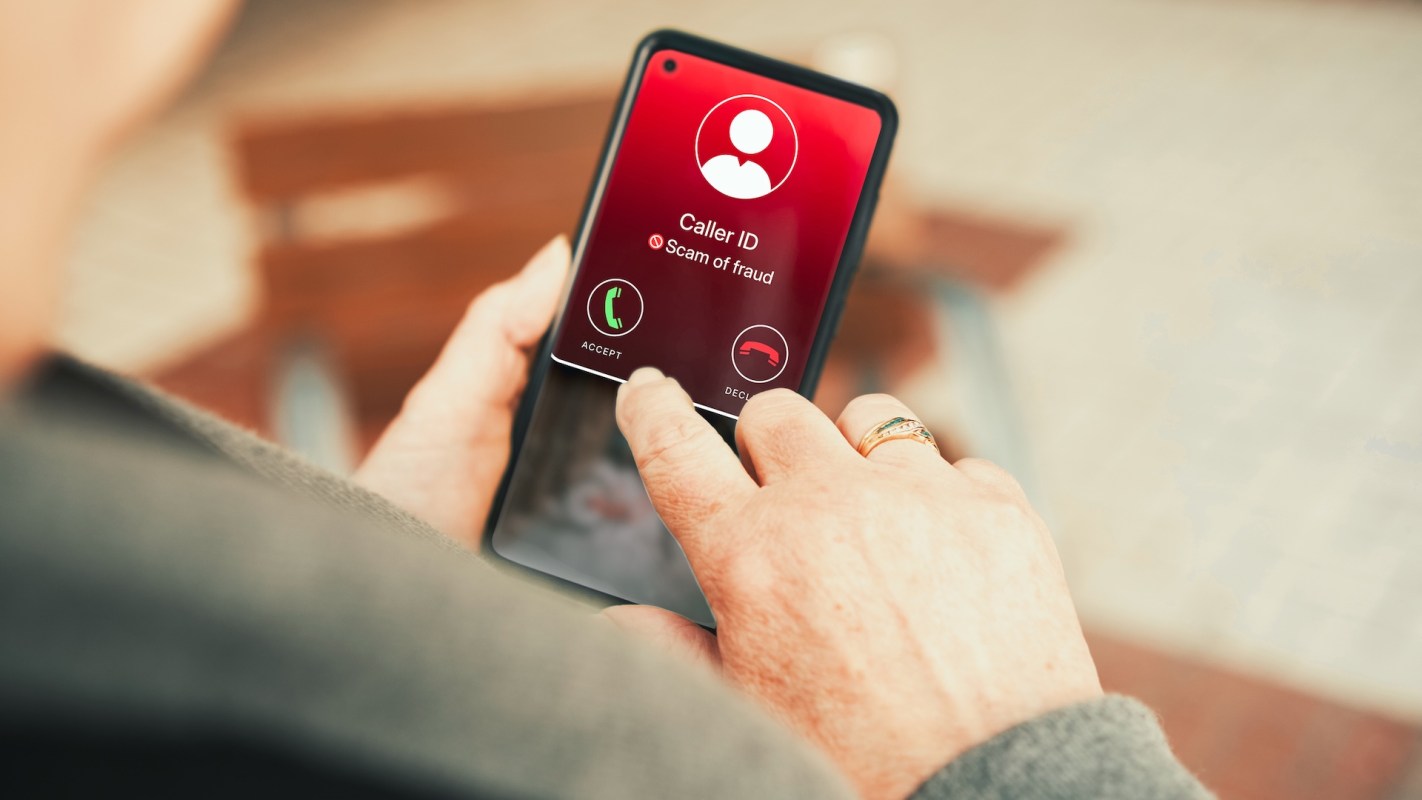
A caller named "AMEX" or "FBI" may make someone pay attention. In a scam call described on Reddit, the poster said the callers claimed firearms had been bought in their name and shipped to New York City.
But one detail made this call a red flag: the poster said they don't even have AMEX.
Here's what to know
According to a Reddit thread in r/Scams, the call began with someone posing as AMEX and talking about supposed fraud tied to gun purchases. From there, the caller allegedly connected the poster to someone claiming to be with the FBI.
Part of the pitch was how much detail the callers supplied. The poster said they cited case numbers, addresses, website names, and specific gun models. They also said, "The Caller ID information was 'AMEX' and 'FBI'. I googled the numbers before answering." In the comments, other users noted that scammers can spoof caller ID to make a call look official.
Despite that, the explanation fell apart on basic points. The poster wrote, "I don't have AMEX and don't live in NYC." Commenters also pointed to another inconsistency: a credit card company would not be expected to patch a customer through to federal law enforcement as part of a fraud call.
One commenter put it simply: "This is a scam. You were engaged with a scammer."
TCD Picks » Quince Spotlight
💡These best-sellers from Quince deliver affordable, sustainable luxury for all




More background
This type of scheme works by combining urgency, fear, and official-sounding details. The firearms angle can make the threat feel especially serious, which may push people to stay on the line instead of hanging up and verifying the claim independently.
Users in the thread repeatedly warned that the name or number on a phone screen is not proof of who is calling.
One user shared good advice: "Never trust that someone who calls or texts is who they say they are. ... Even if Caller ID or the number displayed is the phone number for AmEx, your bank, FBI, or police." Scammers can manipulate caller ID to make it look like they're calling from a local number or anywhere in the world, and they can spoof the number displayed.
Commenters warned that these scams can pressure people into sending money or following instructions from someone pretending to be a bank representative or law enforcement officer.
What can be done?
The safest move is to stop engaging as soon as a call becomes threatening or strangely theatrical. If someone claims to be from your bank, credit card company, or a government agency, hang up and contact the organization using the official number listed on its website instead.
You can ask the caller's name and extension. If the caller says not to do that, they are almost certainly a fraudster, even if they offer a compelling reason, because they are likely just trying to prevent you from contacting the real company correctly.
As one commenter put it: "Say goodbye, hang up, find the official phone number, and call them."
Another Redditor wrote, "A real company will never transfer you to police, FBI, or FDIC, or ask you to participate in an investigation of bank fraud." They also noted that scammers may demand payment through gift cards, Bitcoin, or even cash in a shoebox.
Letting unknown numbers go to voicemail can add another layer of protection, especially because spoofing technology makes a familiar-looking caller ID far less meaningful than it may appear.
Where can I learn more?
These stories cover the same tactics seen in this call, including fake authority, pressure, and official-sounding details. They cover a woman drained by a fake FBI courier, a Comcast impersonation call in Pennsylvania, a salesman accused of posing as a utility official, a gun-sales funding controversy, and an online shopping fraud complaint.
• A woman lost her life savings after a spoofed bank call invoked the FBI.
• In Pennsylvania, a fake Comcast caller tricked a man into returning a new iPhone.
• A homeowner filmed a salesman posing as a utility official and threatening police involvement.
• Wildlife agencies quietly want Americans to buy more guns because those sales fund conservation.
• An online shopper called an AI-generated sweater fraud after receiving a ridiculous product.

Get TCD's free newsletters for easy tips, smart advice, and a chance to earn $5,000 toward home upgrades. To see more stories like this one, change your Google preferences here.






