


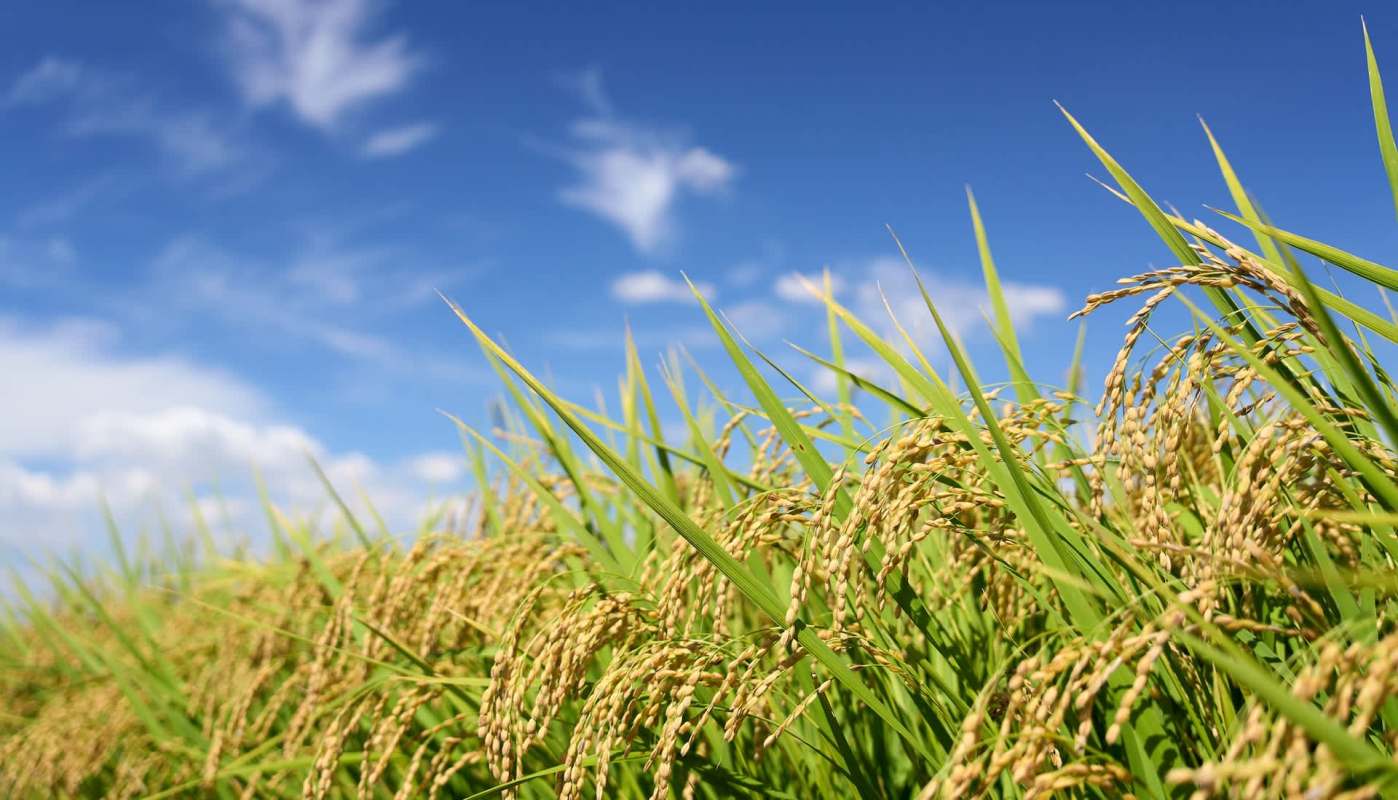
A bright spot for Japan's farmers in the warming climate is the rise of new rice strains that can deliver strong harvests even as intense heat and dry weather threaten the country's staple crop.
For households, that could mean a steady rice supply and fewer price spikes at the grocery store when extreme weather strikes, The Guardian reported.
Here's what to know
Across Japan, growers are planting rice varieties bred to better withstand climate stress.
In Saga prefecture, one example is hinatamaru, which has continued to perform through hot, dry conditions.
Extreme heat is a major reason for the shift. It can leave rice grains chalky, brittle, and more likely to crack during processing, making them hard to sell as premium rice.
After heat records were again broken in 2026, Japan's meteorological agency introduced a new label for temperatures above 40 degrees Celsius (104 degrees Fahrenheit): "cruelly hot."
TCD Picks » Quince Spotlight
💡These best-sellers from Quince deliver affordable, sustainable luxury for all




Adoption has moved fastest in warmer parts of the country.
According to Japan's agriculture ministry, heat-tolerant varieties now account for almost 67% of Saga's rice acreage, compared with just under 50% in neighboring Nagasaki and 47% in Shimane, the newspaper noted.
When harvests wane, effects ripple through economies, push up prices, and tighten food supplies.
More background
Japan has already had a preview of that threat.
The Guardian reported that 2023's record heat triggered the "Reiwa rice crisis" in 2024, prompting the government to tap emergency stockpiles to ease shortages and rising prices.
The issue is not limited to a single prefecture.
According to Japan's agriculture ministry, heat-tolerant rice covered 248,000 hectares in Japan in 2025, a record 18% of the nation's rice crop, up sharply from 42,000 hectares in 2024.
Only three of Japan's 47 prefectures have yet to adopt the new strains.
A Greenpeace Japan report warned that prolonged high temperatures are putting four of the country's "iconic" autumn crops at risk, including rice and sweet potatoes, per The Guardian.
"Over 50 years of accelerating heat waves have pushed Japan's most iconic agricultural hubs past their thermal limits, placing both crop viability and supermarket prices on the line," Ikumi Toyota of Greenpeace Japan said in a statement, per the paper.
"While farmers are showing incredible ingenuity to adapt, single operations cannot outrun systemic climate disruption. When the people who feed us run out of options, national food security becomes everyone's crisis."
What's being done?
Before these varieties reach farms, researchers create them through a multistep process that begins with crossbreeding existing rice plants, continues with testing in controlled settings, and ends with field trials.
That effort produced hinatamaru in Saga after 12 years of research.
Kazuhiro Matsumoto, a senior official in the crop department of the Saga Prefecture Agricultural Testing and Research Centre, told The Guardian that local growers "were determined to grow delicious rice that could withstand the heat."
Rising temperatures are also changing day-to-day farm work.
Some fruit and vegetable growers in Japan have shifted inspections to nighttime hours, while others are experimenting with warm-weather crops including avocado, bitter melon, and okra. In Shiroishi, rice farmer Haruki Kawasaki said his team can no longer stay in the fields all day.
"So as a farmer, I'm just grateful that we have found something that works. And it tastes great," Kawasaki said, noting he is in his 60s. The paper pointed out that 70% of Japan's farmers are 65 or older.
Where can I learn more?
Japan's push for hardier rice is part of a wider effort to help staple crops hold up in hotter, harsher conditions. These stories cover breakthroughs and resilient varieties being developed for rice and other foods.
• Scientists found that zinc oxide nanoparticles protect rice from heat and boost yields.
• Plant scientists used genome editing to build rice and tomatoes that survive harsh extremes.
• Scientists developed disease-resistant mutant rice that stands up better to a destructive crop threat.

Get TCD's free newsletters for easy tips, smart advice, and a chance to earn $5,000 toward home upgrades. To see more stories like this one, change your Google preferences here.







