


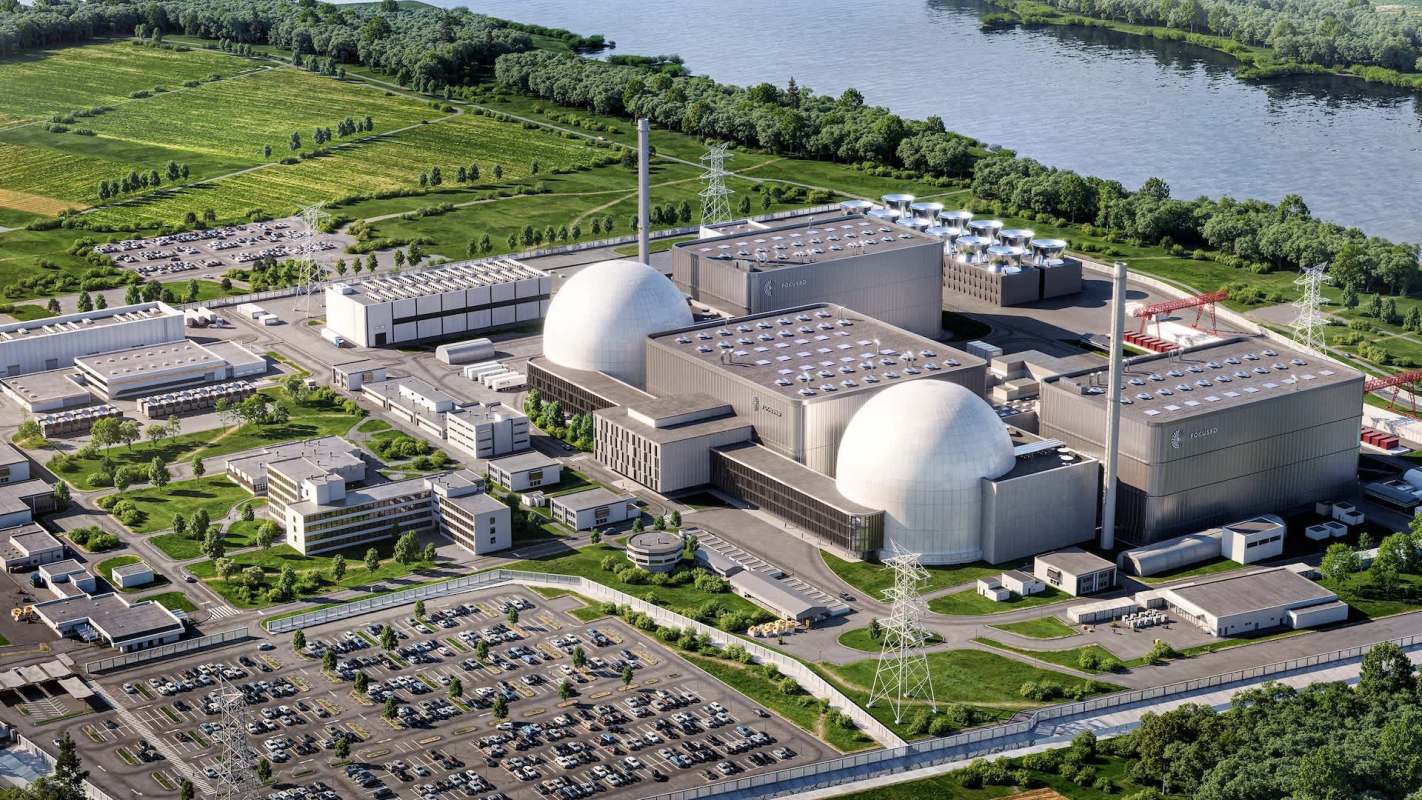
Germany is dismantling and decontaminating many of its aging nuclear sites, but one massive power station is now being lined up for a very different future.
Instead of being torn down, the former plant will be converted into a laser-based fusion facility.
Here's what to know
Per an Instagram post from euronews.tv, the location is being turned into a laser facility for startup Focused Energy, whose goal is electricity generation through fusion rather than fission.
Traditional nuclear plants split atoms to release energy, producing large amounts of low-carbon electricity while also generating radioactive waste and raising long-standing concerns about safety, cost, and weapons proliferation. Fusion, by contrast, aims to combine atoms in a process similar to what powers stars.
More background
Decommissioned fission plants are complex and expensive to manage, and cleanup efforts can stretch on for years. Turning one of those sites into a fusion facility suggests some retired energy infrastructure may still hold value.
Supporters point to nuclear power's ability to provide steady electricity with relatively low planet-warming pollution during operation, helping support grid reliability. Critics, meanwhile, cite unresolved waste issues, steep upfront costs, accident risk, and the broader geopolitical concerns surrounding nuclear technology.
TCD Picks » Quince Spotlight
💡These best-sellers from Quince deliver affordable, sustainable luxury for all




Fusion is often described as a possible way to preserve some of nuclear energy's benefits while reducing some of its most serious drawbacks. It does not rely on the same kind of chain reaction used in conventional reactors, and it is widely seen as having the potential to produce less long-lived waste. Even so, it remains technically difficult and has yet to become a proven commercial power source.
The project does not show that fusion has fully arrived, but it does show that companies are trying to move the technology toward practical use.
What's being done?
Focused Energy plans to make the site home to a laser facility aimed at fusion-based electricity generation. The move also reflects a larger wager that retired nuclear sites can be redirected toward cleaner, future-facing energy work instead of simply being closed off and dismantled.
Existing energy sites often already have industrial zoning, grid connections, transportation access, and workers with relevant technical experience. In some cases, that can make redevelopment faster or more economically attractive than building a new facility from scratch elsewhere.
Projects like this can help soften the impact of a plant closure by giving the site a new industrial identity. Fusion research is part of a broader effort to develop reliable, low-pollution power sources that can operate alongside renewables such as wind and solar.
If the effort succeeds, the old plant could become a powerful example of how aging nuclear infrastructure is being reimagined.
Where can I learn more?
Germany's fusion-site conversion is part of a much bigger conversation about what happens to nuclear sites after their first life ends. These stories look at fusion setbacks in France, redevelopment efforts in the United States, and ongoing debates over nuclear power and radioactive waste.
• In France, the world's largest fusion experiment has been slowed by defective parts and supply issues.
• In Washington state, a former top-secret nuclear site is being remade as a major solar project.
• Nuclear plants split atoms to release energy, delivering steady power while creating radioactive waste.
• Historians say the anti-nuclear movement reshaped energy policy and helped fossil fuels keep a foothold.

Get TCD's free newsletters for easy tips, smart advice, and a chance to earn $5,000 toward home upgrades. To see more stories like this one, change your Google preferences here.






