


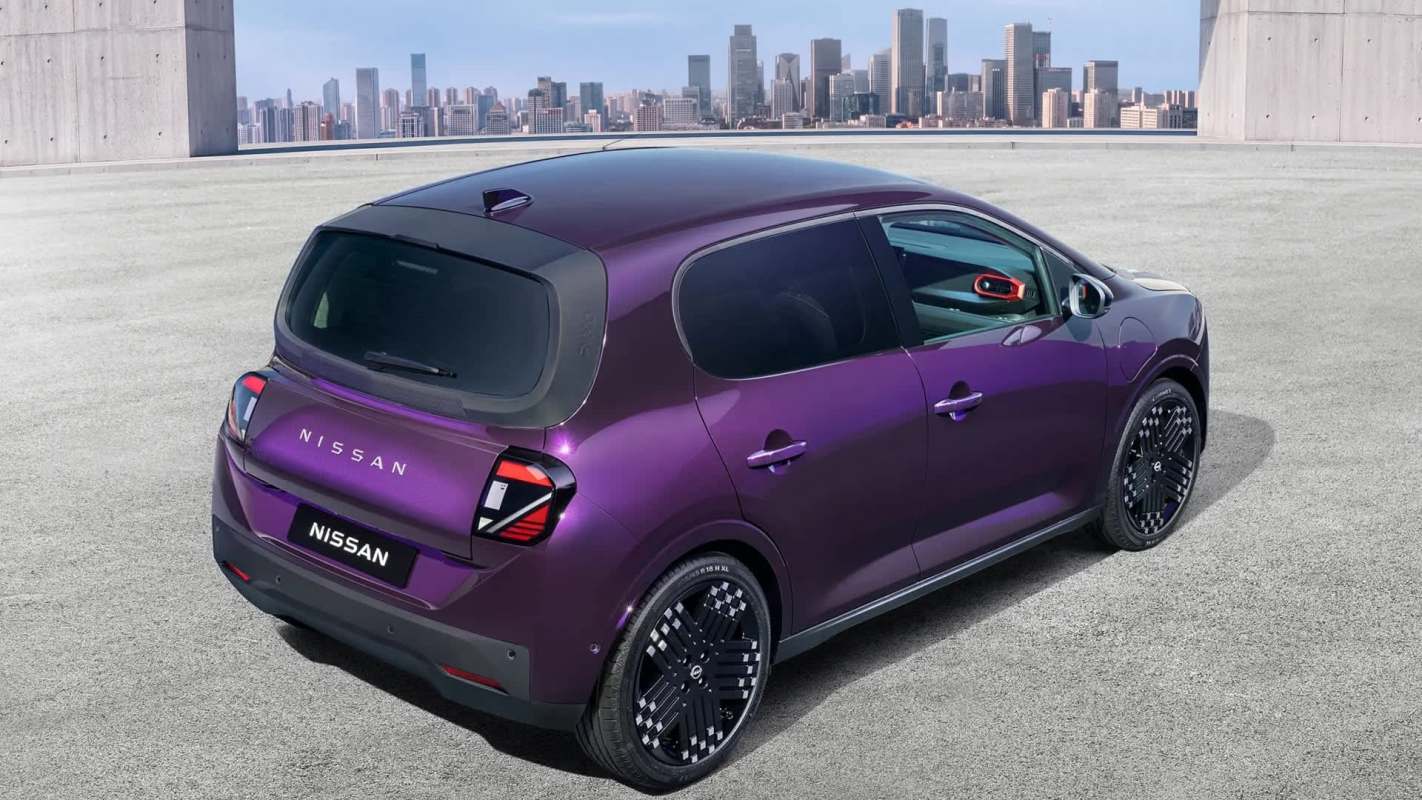
Nissan is reviving the Pixo nameplate, but the new version looks nothing like the small gas-powered city car the automaker retired in 2013. This time, the Pixo returns as an all-electric hatchback built for budget-conscious city drivers, with an expected starting price under $25,000.
Here's what to know
In Europe, the Pixo EV is expected to be Nissan's lowest-priced electric vehicle, starting below €20,000 ($22,700) before subsidies and incentives, according to Electrek.
Built through Nissan's partnership with Renault, the model shares its foundation with the Renault Twingo. It uses a 27.5-kilowatt-hour lithium iron phosphate battery — the first LFP battery Nissan has put in a European EV — and offers a WLTP-rated range of up to 161 miles.
Features include automatic emergency braking, lane-support technology, e-Pedal, and Google built-in with Gemini, which can help with navigation and charging through the MyNissan app.
The launch comes as budget EV competition intensifies in Europe, where Chinese automakers such as BYD and Leapmotor are expanding and established regional brands are answering with smaller, lower-cost electric models.
More background
Affordable EVs help address one of the biggest hurdles to cleaner transportation: upfront cost. While luxury models often get the most attention, lower-priced EVs are more likely to help everyday drivers cut fuel costs and avoid routine maintenance tied to gas-powered vehicles, including oil changes and many engine-related repairs.
TCD Picks » Quince Spotlight
💡These best-sellers from Quince deliver affordable, sustainable luxury for all




Nissan developed the Pixo EV specifically for Europe as the region's electric city car segment continues to change. The vehicle will be built at Renault's Novo Mesto plant in Slovenia, and it is expected to slot beneath the Micra in Nissan's European EV lineup, according to Electrek.
U.S. shoppers, however, are not expected to get the option. Nissan developed the Pixo EV for European cities, making it another example of an affordable electric model that likely will not make its way stateside.
What's being done?
Automakers are increasingly trying to make EV ownership more realistic for mainstream households, not just early adopters. With the Pixo, Nissan is emphasizing a lower price, a practical footprint, enough range for city use, and, as Electrek reported, 50-kilowatt DC fast charging that can bring the battery from 15% up to 80% in roughly 28 minutes.
For drivers considering buying an electric vehicle, the broader savings can add up over time. Charging an EV at home often costs half as much as using public chargers, but basic Level 1 charging tends to be slow. Qmerit provides free, instant installation estimates for faster Level 2 home charger installations.
More entry-level EVs also give consumers more leverage. As competition grows, buyers could see better pricing, more features, and wider access to technology once mostly limited to premium vehicles.
"As fuel costs rise, the case for switching to electrified vehicles only grows stronger. Nissan is right at the heart of that shift," said Massimiliano Messina, Chairperson, Nissan AMIEO.
Where can I learn more?
Nissan's push into more affordable EVs isn't limited to the Pixo. These stories look at the company's low-cost models, the reinvented Leaf, and the broader shift in its lineup.
• In Japan, Nissan's Sakura, priced at just $13,000, helped it gain on Tesla.
• At Shanghai's auto show, Nissan drew crowds with an affordable new EV offering a standout range.
• In the U.S., Nissan gave the redesigned Leaf the lowest starting MSRP among new EVs.
• In Japan, Nissan began phasing out legacy LEAF models for a more premium successor.

Get TCD's free newsletters for easy tips, smart advice, and a chance to earn $5,000 toward home upgrades. To see more stories like this one, change your Google preferences here.






