


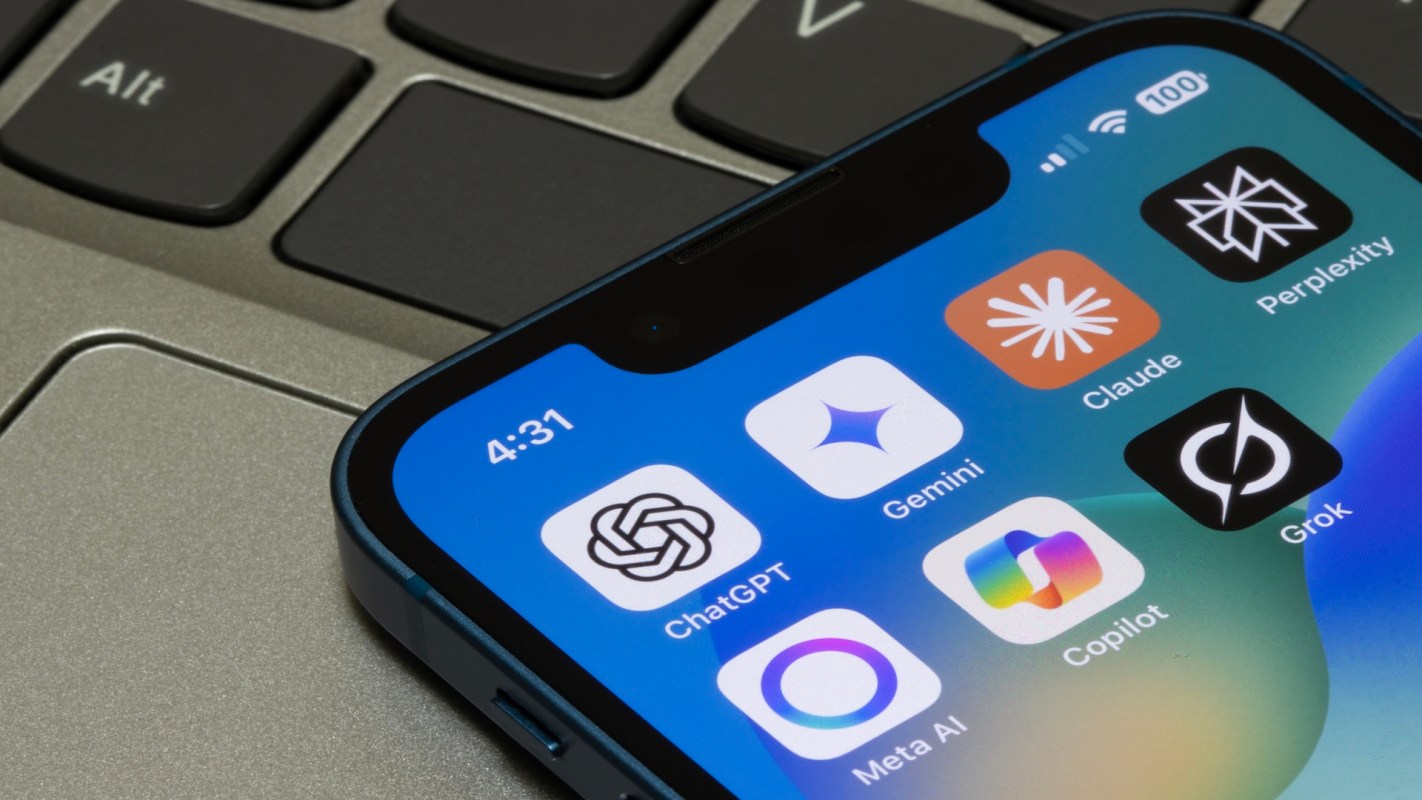
People worldwide generally feel optimistic about artificial intelligence — but the United States is emerging as an outlier.
A new Gallup survey suggests Americans are among the most likely to feel more worried than hopeful about AI, even as the technology becomes more deeply woven into everyday life.
Here's what to know
Gallup and Microsoft surveyed people in 37 countries as part of a study that is expected to expand to 140. According to 404 Media, the initial results suggest that, globally, AI is more often seen as beneficial than harmful. Gallup said the project tracks public engagement with AI across five measures: awareness, frequency of use, emotional response, expected impact, and trust.
Across the countries surveyed, median awareness of AI tools was 81%, while median daily use was 43%. Gallup said a "daily user" meant an employed person using AI each day for work or personal reasons, or an unemployed person using the technology daily.
More frequent use was generally linked with greater trust in AI and a stronger belief that it could help create a better future. "AI engagement can be viewed as an adoption ladder, moving from awareness to ever having used AI and then to more frequent use," the study read.
Only three places in the survey recorded more negative than positive feelings about AI: the U.S., Egypt, and Palestine.
TCD Picks » Quince Spotlight
💡These best-sellers from Quince deliver affordable, sustainable luxury for all




More background
Gallup described this as the "Paradox of the Worried West." Pablo Diego-Rosell, a senior scientist at Gallup, told 404 Media that concern about AI "appears to be a uniquely Western phenomenon," and said that "The Netherlands, Canada, the U.K., New Zealand, Ireland and Malta all rank near the top in terms of worry."
"We see a very strong relationship between frequent AI use, greater trust and lower worry, but we do not know which direction that relationship runs. Does experience with AI make people more comfortable with it, or are people who already trust AI simply more willing to use it?" Diego-Rosell said.
"The broader story is that public engagement with AI is much more complicated than simply being 'for' or 'against' it," he continued. "People who are aware of AI are more likely to expect it to help than harm, and positive emotions outweigh negative ones. At the same time, trust in AI's accuracy is considerably lower than optimism about its potential, and worry remains widespread in some countries. So optimism, skepticism, and concern can coexist."
Where can I learn more?
These stories add context to why people feel conflicted about AI, especially as the technology raises concerns that reach beyond the tools themselves. They look at backlash over jobs and utility use, warnings from psychologists, doubts about big tech spending, and resource strains tied to AI infrastructure.
• Across workplaces and utilities, public backlash against AI has grown over jobs, water, and electricity.
• Psychologists say the rapid increase in AI use demands stronger safeguards around therapy and dependence.
• At Goldman Sachs, alarm over AI spending has intensified as promised payoffs remain unclear.
• Researchers warn advanced AI creates e-waste as hardware turnover raises fresh sustainability concerns.
• Communities facing data-center growth warn AI expansion could deepen inequality through heavier water demands.

Get TCD's free newsletters for easy tips, smart advice, and a chance to earn $5,000 toward home upgrades. To see more stories like this one, change your Google preferences here.






