


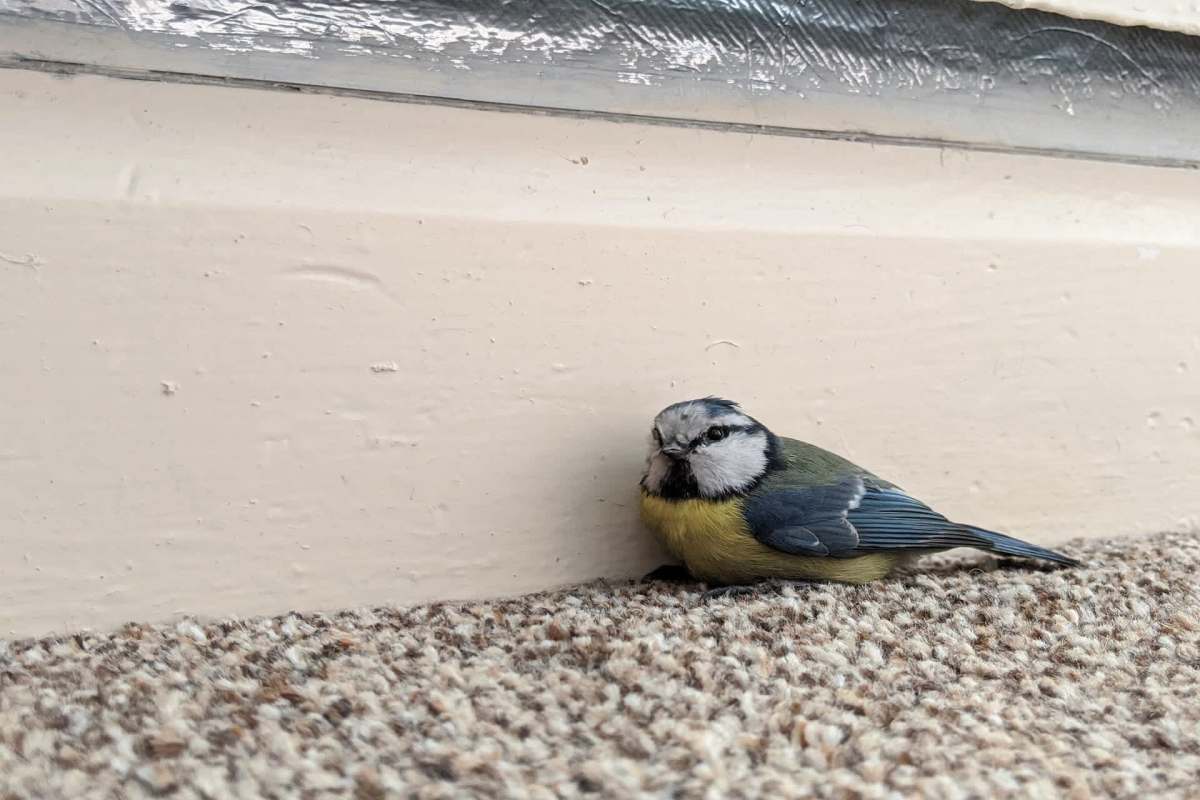
A family of blue tits ended up in a terrifying situation after tumbling down a chimney pipe and becoming trapped inside a fireplace.
What followed was a delicate rescue operation and a tense wait to see whether their mother would find them again.
Here's what to know
In a video shared by Wildlife Aid Foundation (@wildlifeaid), the organization said the fledglings wound up in the fireplace after dropping down the chimney while their mum remained nearby, "desperately trying to reach her babies."
Wildlife Aid Foundation rescuer Louis took the young birds out one at a time from the sooty fireplace and moved them outside where their mother could see them.
Calling the situation urgent, the foundation said the family "needed our help, quickly." It described Louis as "carefully freeing each tiny fledgling from their ashy prison."
The effort worked. As the group put it, "Before long, she was feeding her babies, once again, and this little family was reunited."
TCD Picks » Quince Spotlight
💡These best-sellers from Quince deliver affordable, sustainable luxury for all




More background
A chimney or fireplace may seem harmless when it's not in use, but for small birds, it can quickly become a trap.
Fledglings are especially vulnerable. At that stage, young birds are mobile enough to get into trouble but still depend heavily on their parents for food and protection.
The mother bird never appeared to abandon her young. She stayed close and kept trying to reach them. In many wildlife situations, the best outcome is not extended human care but just getting the young back with a parent as soon as possible.
Scratching, chirping, or unusual movement around fireplaces, chimneys, and vents can signal an animal in distress. What may seem minor inside a home can become a life-or-death situation for an animal.
What can be done in this situation?
When wild baby birds end up in dangerous places, one of the most helpful first steps is to stay calm and seek expert help. Trained wildlife rescuers know how to remove animals safely while minimizing stress and improving the odds of reunion with their parents.
Homeowners can also reduce the risk of similar incidents by checking chimneys and fireplaces before use and considering properly fitted guards or caps designed to keep wildlife out while maintaining safe ventilation. If an animal is already trapped, it is best to avoid improvised feeding or prolonged handling without professional guidance.
Once the birds were back outside, the rescuers could only watch and wait to see if the mother would return. As the foundation wrote, "Waiting to see if she would return felt like watching your child walk into school on their very first day — hopeful, but incredibly nerve-racking. Then, the moment we'd all been waiting for ... Mum came back."
Where can I learn more?
This rescue is one example of how often young birds end up in dangerous spots around people and need quick help. They include baby birds and other young wild birds saved from yards, brush piles, balconies, and other risky spots.
• In Somerset, rescuers nursed baby falcons through an unprecedented influx of injured birds.
• In Texas, a fuzzy turkey vulture was rescued from a burn pile before disaster.
• Firefighters freed a seagull trapped on a glass balcony after it battered the barrier.
• In Puyallup, police found two baby birds hatched inside a training motorcycle compartment.

Get TCD's free newsletters for easy tips, smart advice, and a chance to earn $5,000 toward home upgrades. To see more stories like this one, change your Google preferences here.







