


Most of the time, the idea of ingesting a battery implies an urgent trip for medical care.
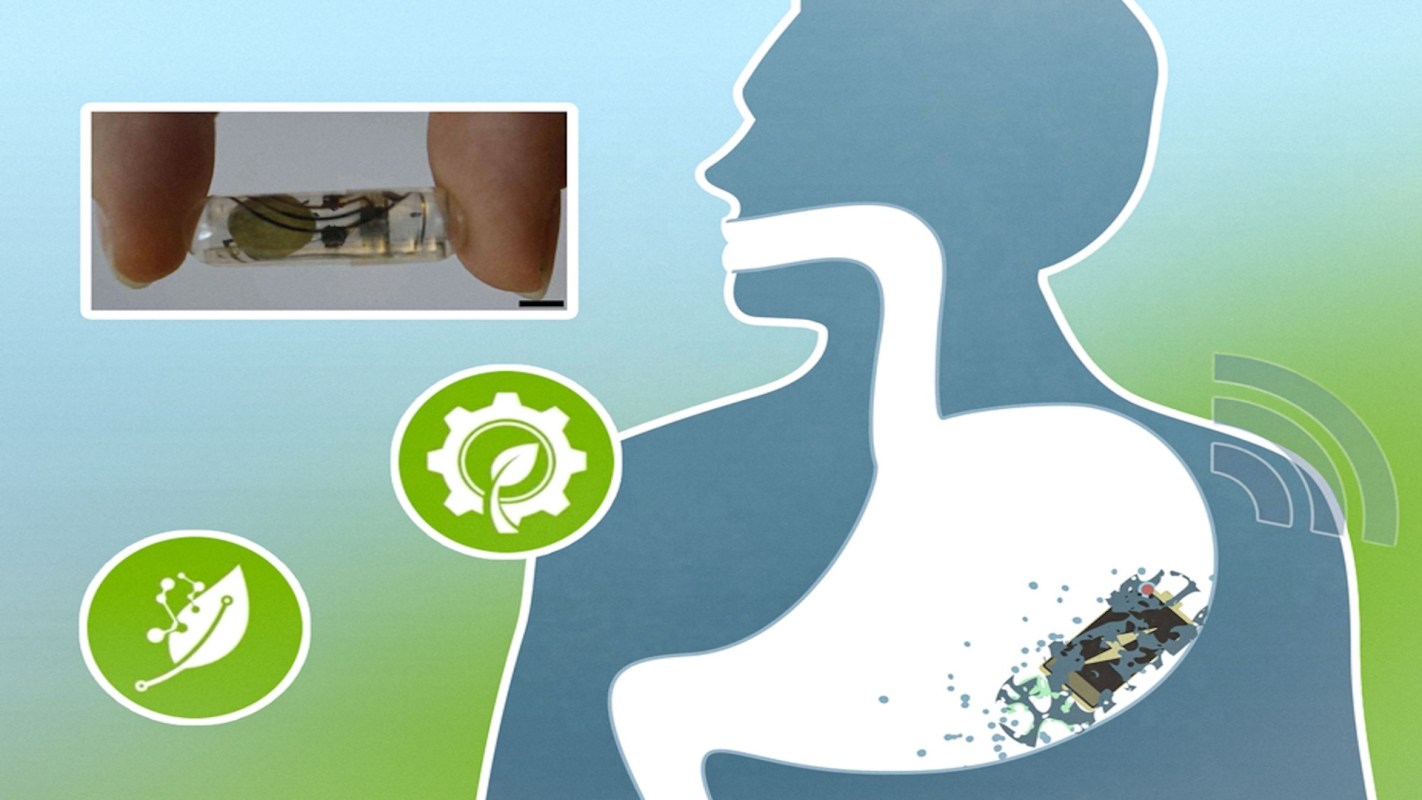
At MIT, though, researchers are developing one for a very different purpose: to run a tiny device after it is swallowed and then dissolve safely in the body over several days.
If the concept works in people, it could support a new generation of electronic pills designed to monitor health, verify that medicine was taken, or stimulate the stomach without leaving a conventional battery behind.
Here's what to know
As ZME Science reported, an MIT-led study described a bioresorbable battery with a paper-like design that could be powered for as long as three days.
The battery reached 1.84 volts, enough to operate small ingestible electronics.
Its paper-like form comes partly from cellulose and was inspired by edible rice-paper wrappers. To produce electricity, the device uses a magnesium electrode, a molybdenum trioxide electrode, and a biodegradable gel that carries charged particles between them.
TCD Picks » Quince Spotlight
💡These best-sellers from Quince deliver affordable, sustainable luxury for all




In one test, the battery powered an RFID tracking capsule that sent a signal to a reader from about 5 feet (1.5 meters) away, which could one day help doctors confirm that a patient has actually taken a medication.
In another application, it powered a stomach-stimulation capsule that increased ghrelin, a hormone related to hunger, by up to 50% after 20 minutes of stimulation in pigs.
More background
Ingestible medical devices are already part of modern care, including capsule cameras that let doctors inspect the digestive tract.
The tougher issue has been creating more advanced versions that still have dependable power and remain safe enough to move through the body or break down inside it.
If a conventional battery leaks, gets stuck, or loses its protective casing, it can become hazardous, so a dissolvable alternative could make these devices safer and more practical.
A capsule that confirms medication adherence could save both patients and providers time, reduce uncertainty, and potentially cut costs tied to missed doses or repeat appointments.
A stomach-stimulating pill could also offer a less invasive option for people dealing with severe appetite loss related to cancer or chronic illness.
The findings were published in the journal Nature Chemical Engineering, though the researchers emphasized that testing has been conducted only in pigs, not people.
What's being done?
The MIT team is continuing to refine the technology and move toward clinical trials for its swallowable tracking technology.
The full devices used in the study were not yet completely biodegradable, as some parts still depended on conventional electronic components.
That means more engineering work is needed before a fully dissolvable electronic pill could become a routine medical option. Researchers will also have to show that the battery is safe and reliable under the more variable conditions of the human digestive system.
The hope is to replace larger implanted hardware or repeated procedures with a capsule that can be swallowed, perform a medical task for several days, and then disappear on its own.
"Often, we use batteries, so the question here was: Could we develop a battery that was bioresorbable, and then apply that across a range of application areas?" said Giovanni Traverso, a professor of mechanical engineering at MIT and gastroenterologist at Brigham and Women's Hospital.
Where can I learn more?
Battery technology is advancing in a way that could support a number of important functions.
• Engineers have built a revolutionary edible battery that could make children's toys safer.
• In Tianjin, China, researchers created a battery powered by oxygen already present in the body.
• Scientists developed a hemoglobin-powered battery that could expand biomedical electronics.
• A research team tested a next-gen biobattery material.
• For wearable devices, engineers unveiled a self-healing stretchable battery that keeps working after damage.

Get TCD's free newsletters for easy tips, smart advice, and a chance to earn $5,000 toward home upgrades. To see more stories like this one, change your Google preferences here.






