


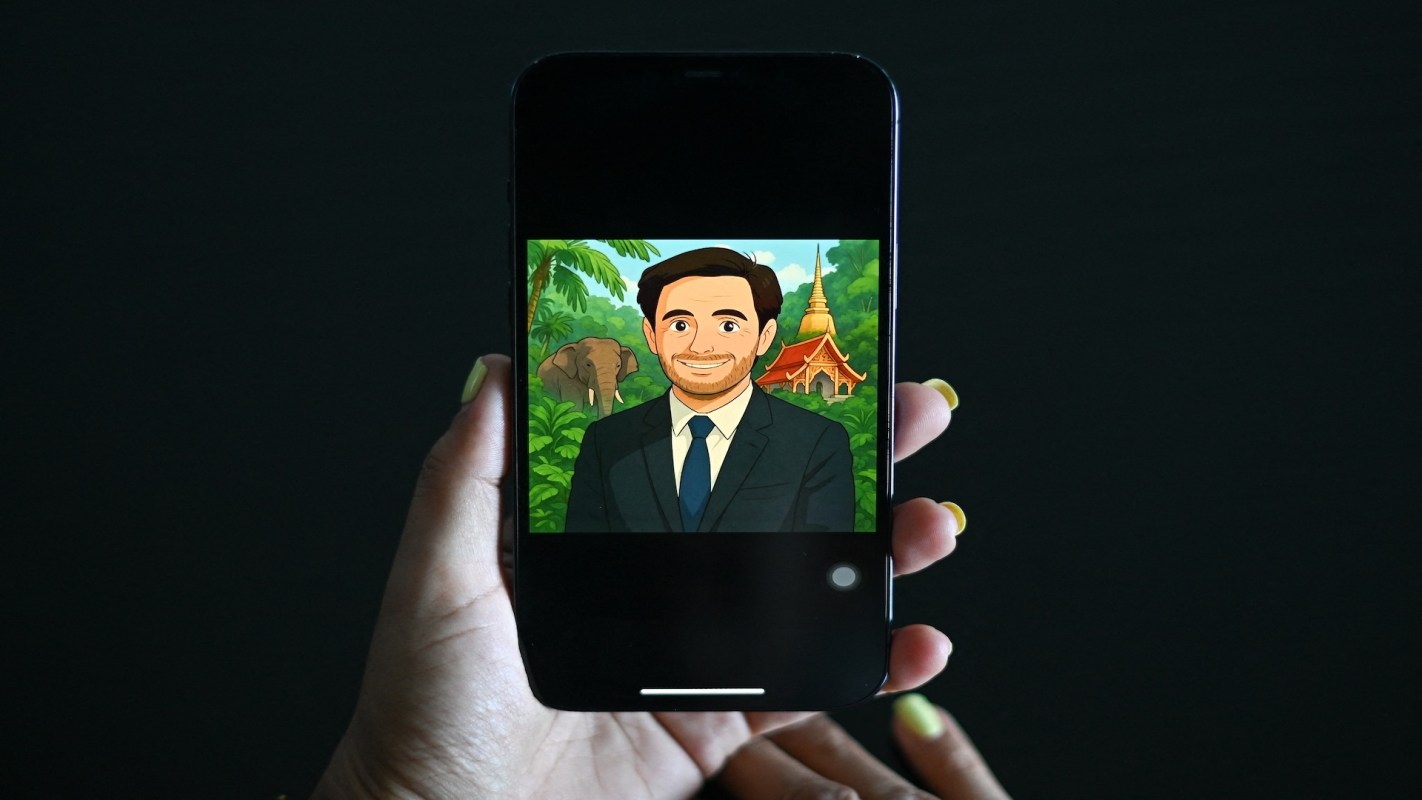
A playful AI-generated keepsake can land very differently depending on who receives it.
For some grandparents and relatives, turning family photos into cartoon portraits, holiday scenes, or novelty gifts may seem harmless. For many parents, however, it can feel like handing children's faces to a technology they don't fully trust.
Here's what to know
According to Business Insider, disputes over children's photos are reaching AI. Older relatives are using tools to turn kids' pictures into stylized portraits, fake holiday snapshots, and novelty gifts, while parents see the same uploads as a possible long-term privacy problem.
During a visit to his grandparents, Ben Metcalfe — a Gen Z worker in AI governance — said he found an AI-generated caricature made from a family photo.
"I understand that there was good intention behind doing it," Metcalfe said. "At the same time, it's a major privacy concern."
What bothered Jen, a 32-year-old mother using a changed name to avoid further family conflict, was the uncertainty around what AI might eventually do with children's faces. She said she received Grok-generated images showing her toddlers with Santa and riding the Polar Express.
TCD Picks » Quince Spotlight
💡These best-sellers from Quince deliver affordable, sustainable luxury for all




"It's so cute. And I want to love it," she said, but she also found them unsettling, particularly because of concerns about how AI systems could use children's faces in the future.
The argument builds on years of parents asking relatives not to post children online, but AI raises the stakes by turning ordinary photos into entirely new images that can spread quickly and become difficult to control.
More background
Paromita Pain, a global media professor at the University of Nevada, Reno, said the differences stem less from technical ability than from differing expectations around privacy.
Research published by Pennsylvania State University in 2021 found that older adults who posted more photos to Facebook said they felt more competent, which was linked to a higher sense of well-being. A 2025 Deloitte report said that about 76% of Gen Z had used AI, compared to roughly a fifth of Boomers who had used a standalone AI tool.
Business Insider reported that xAI is facing a lawsuit from a child sexual abuse survivor who alleges Grok generated new exploitative images of her following the prior upload of actual abuse images. A representative for its social platform, X, told The New York Times that the company blocks and reports users involved with such material and uses automated filters to stop exploitative uploads.
What can be done?
Leah, a Millennial mother whose name was changed so she could speak freely, told Business Insider she tried to compromise with her mother by allowing only pre-approved photos in which her baby was not the focal point. Even then, she said, those rules were broken.
Brandon, a 22-year-old who asked that his full name not be used, said he told his mother directly that he did not want his likeness uploaded. Once an image enters the system, getting it back can be nearly impossible.
"We don't need to share it with Mark Zuckerberg," Leah said. "He's not our friend."
As Brandon put it: "You just don't know what that data is being used for."
Where can I learn more?
Concerns are growing about AI systems obtaining likenesses and what the consequences could be.
• Google's new update could scan your entire photo library as AI features expand.
• A woman said xAI's disturbing use of Grok left her feeling dehumanized and violated.
• Experts warn that childhood is being reshaped as AI reaches children earlier.

Get TCD's free newsletters for easy tips, smart advice, and a chance to earn $5,000 toward home upgrades. To see more stories like this one, change your Google preferences here.






