


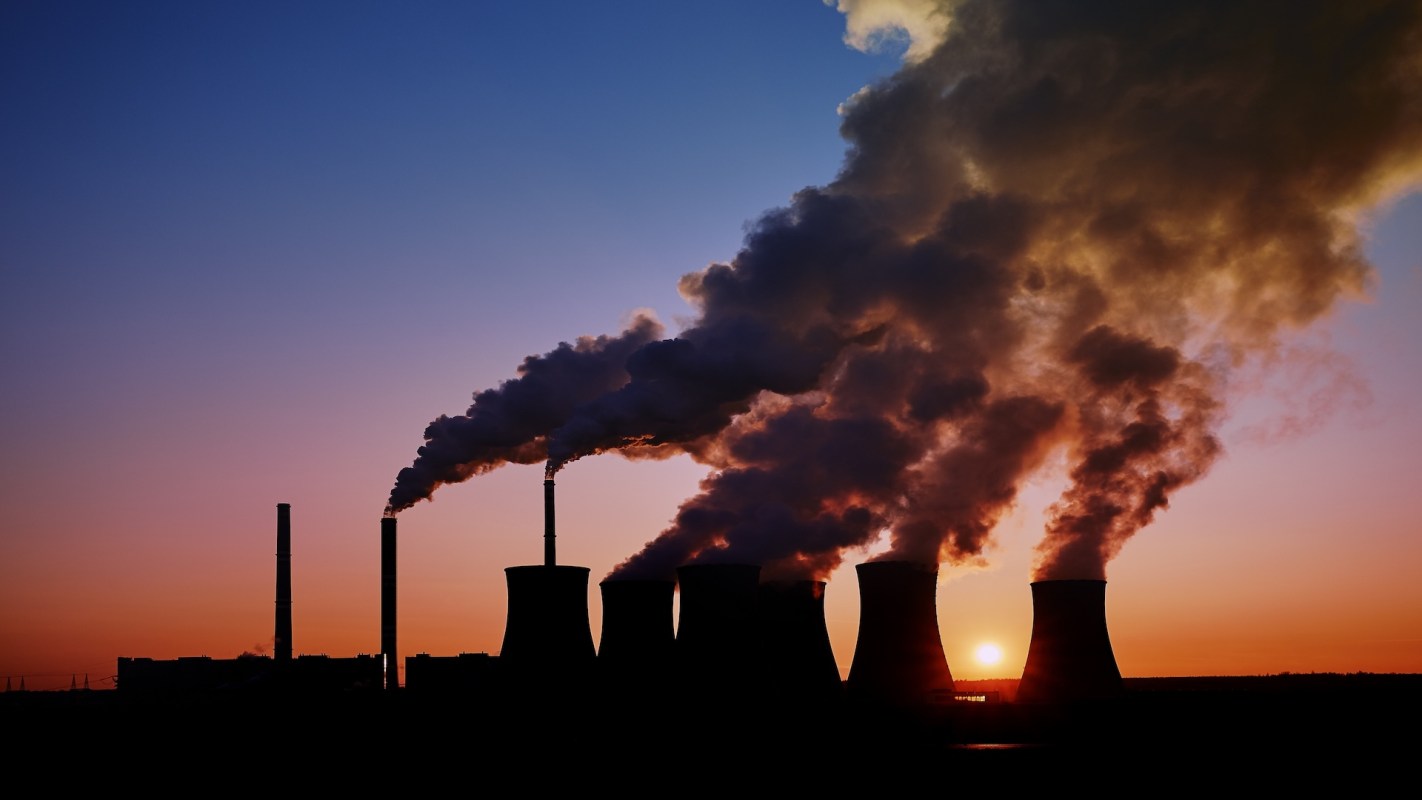
A new Sierra Club analysis says that the nation's largest electric utilities are sliding backward on clean energy.
Rather than accelerating coal retirements and renewable development, many of these utilities are keeping dirty fuels in the mix and scaling back climate action promises.
These changes will be felt among the American public in the form of costlier power, more pollution, and increasing climate-related expenses.
Here's what to know
In the Sierra Club's latest Dirty Truth Report, it gave 76 of the country's biggest utilities an F and said 41% have pulled back from climate action goals in the last two years.
To score the companies, the group reviewed utility plans as of mid-2026 and focused on three areas: how fast coal plants are being retired, whether new gas plants are being added, and how quickly clean energy is expanding to replace fossil fuels and serve growing electricity demand.
"We studied the 50 parent companies that own the most fossil fuel generation, comprised of 76 operating companies, which collectively own half of all remaining coal and gas generation in the U.S. … The utilities studied scored 7/100, earning an F, worsening their overall score by 11 points since 2021," the Sierra Club summarized.
TCD Picks » Quince Spotlight
💡These best-sellers from Quince deliver affordable, sustainable luxury for all




Across all three measures, the outlook was bleak. Utilities now project that only 25% of coal-fired generating capacity will close by the end of the decade, compared with 29% in 2025, 30% in 2024, and 35% in 2023. This is insufficient to protect Americans from the worst health and economic impacts of toxic air and climate change.
The utilities are also planning so much additional gas generation that it would equal roughly one-quarter of typical U.S. electricity demand, with much of that growth tied to expected AI data center demand.
"Utilities' lack of proactive planning contributed to the timing and cost pressures that utilities now cite as justifications to remain reliant on fossil fuels," the Sierra Club explained. "By delaying action, utilities wasted opportunities to capitalize on clean energy tax credits for the cheaper, cleaner energy needed to replace old, expensive coal plants and serve growing electricity demand."
More background
Because these companies control over half of the nation's coal and fossil gas generation fleet, their choices have a major impact on emissions, air pollution, and the speed at which cleaner energy infrastructure can be built.
By extending the life of coal plants and approving new gas facilities, utilities are saddling customers with years of fuel and maintenance spending that will be reflected in their power bills.
At the utility level, the clearest fixes are the same ones the Sierra Club used in its grading system: retire coal plants faster; stop building new gas capacity; and replace that generation with more solar, wind, and battery storage.
Residents can weigh in during public utility commission proceedings, support local and state policies that expand renewable energy, and ask hard questions when companies make climate promises that do not match their investment plans.
Where can I learn more?
These stories offer more details on the utility decisions and policy shifts reshaping the U.S. power mix.
• In Utah, a major utility made the disappointing step backward of keeping coal plants running.
• The Department of Energy ordered a shift toward fossil fuels that could slow cleaner power growth.
• Major energy companies are backing away from climate action commitments as fossil fuel expansion regains federal support.

Get TCD's free newsletters for easy tips, smart advice, and a chance to earn $5,000 toward home upgrades. To see more stories like this one, change your Google preferences here.






