


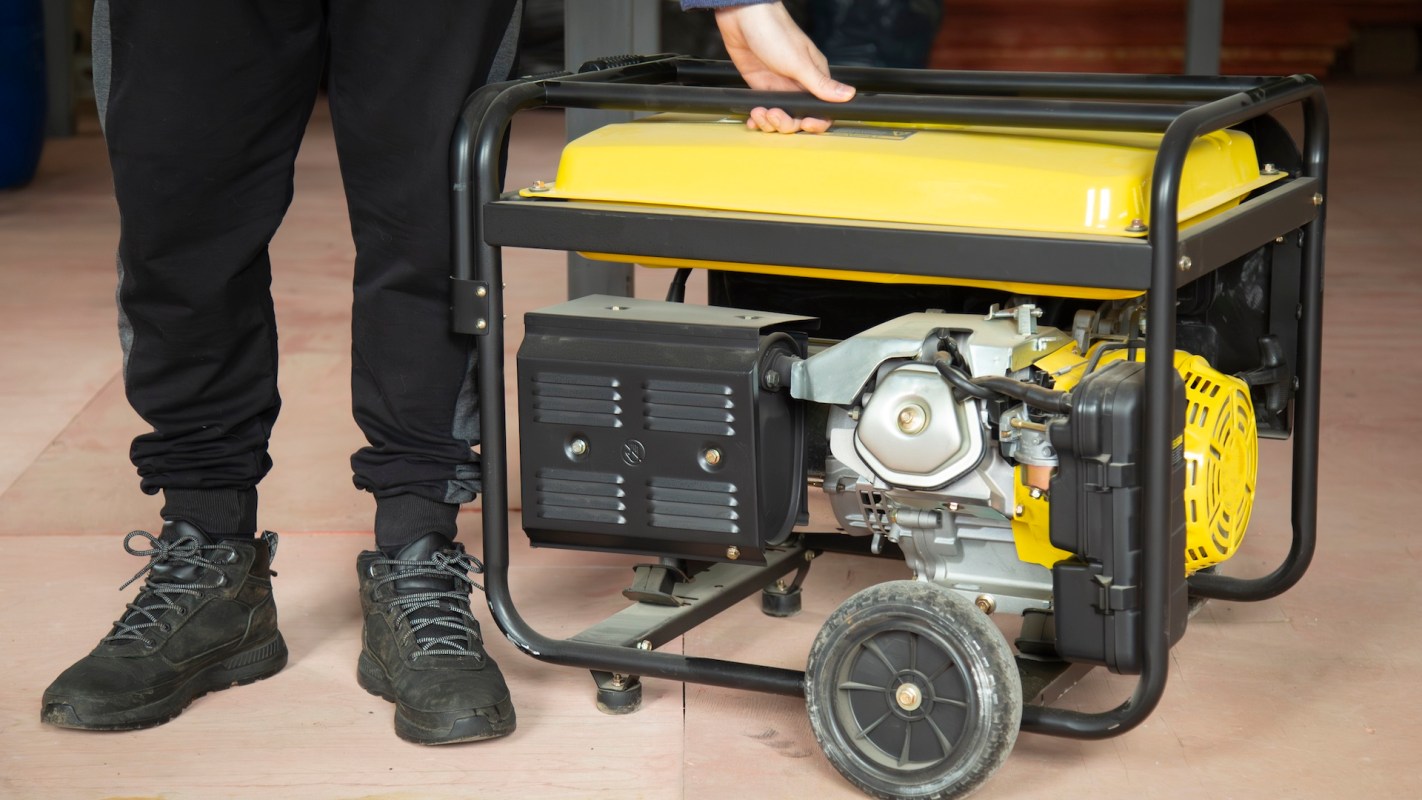
After a run of power outages in Lakewood, Ohio, more residents are turning to generators to keep essentials like refrigerators, freezers, and air conditioning running.
Fire officials in Lakewood said the purchase itself is not the main issue. Their larger concern is whether generators are installed and operated safely, because mistakes can be far more dangerous than the outage.
Here's what to know
According to Spectrum News, repeated outages have led to a rise in generator permit requests in Lakewood. For many households, the goal is to avoid spoiled food, stay cool, and limit the disruption of outages that can last days.
Lakewood resident Lucas Yousko said he decided on a portable generator only after figuring out which parts of his home mattered most during an outage, including air conditioning, two refrigerators, and a basement freezer.
That decision came down to one priority: "I'm an AC guy. I'm not going to sleep when it's hot."
Ryan Birth, fire marshal for the Lakewood Fire Department, said a licensed contractor can help by determining whether a generator is the right size for a particular home. He added that transfer switches are critical to a safe setup.
TCD Picks » Quince Spotlight
💡These best-sellers from Quince deliver affordable, sustainable luxury for all




"[They prevent] the electricity that's being produced by the generator from back feeding into the system, which could potentially injure or kill the workers that are working on the grid itself," Birth said.
More background
According to Spectrum News, FirstEnergy has already installed one new generator, and another is expected to be operating by the end of 2026. Both are coming online months earlier than originally planned. However, despite promises of improvements to the electrical system, the city is seeing more generator permit applications.
Fire officials also stressed that, with generators, exhaust placement matters because carbon monoxide can become deadly if fumes collect near a house or inside enclosed spaces.
What can be done?
Fire officials said residents should begin by hiring a licensed contractor. That can help ensure the generator fits the home's power needs and is installed in a safe location.
A contractor can also check that the transfer switch is working correctly and that the generator is positioned so exhaust gases can disperse properly.
Residents should never operate a generator in an enclosed or partially enclosed space.
As Birth put it, "The highest risk with that is obviously death or becoming severely ill."
Birth emphasized the value of professional installation: "Those contractors will make sure that, one, the generator itself is properly sized for your home. They'll also make sure that it's put in a safe place to allow those gases to be expelled properly."
Where can I learn more?
Similar questions have come up elsewhere as families look for ways to get through outages safely.
• After Hurricane Beryl, families faced carbon monoxide dangers from poorly placed backup generators.
• Energy experts have said safer home power upgrades can avoid gasoline storage and exhaust risks.
• Some homeowners now treat their EVs as emergency power backups during hurricanes.

Get TCD's free newsletters for easy tips, smart advice, and a chance to earn $5,000 toward home upgrades. To see more stories like this one, change your Google preferences here.






