


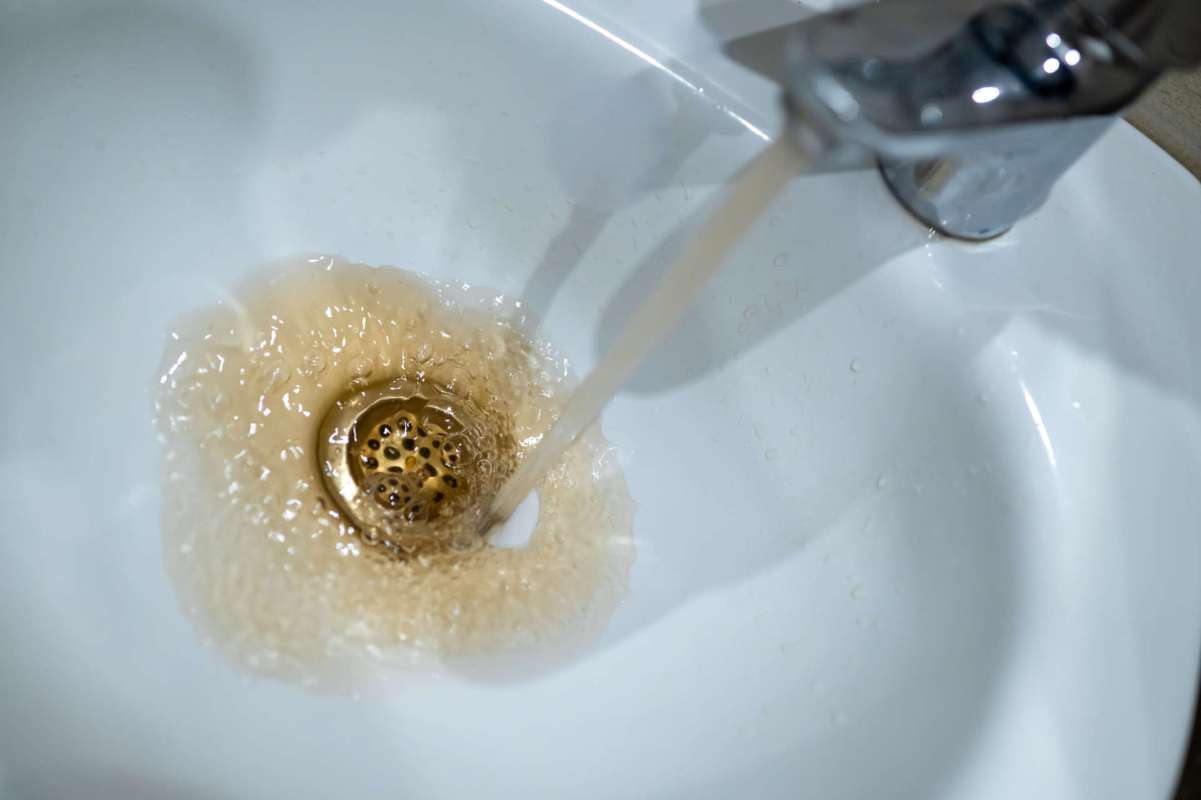
For residents of Beaverville, Illinois, foul-smelling, dark tap water had already become an everyday frustration. But after testing sparked by one household's fears about illness, the situation appeared to raise a far more serious concern.
Independent researchers and a resident's appeal to health officials have now prompted questions about whether the village's discolored water may have lost its disinfectant protection, potentially allowing Legionella bacteria to grow, according to WSWS.org.
Here's what to know
The roughly 300-person village of Beaverville, about 80 miles south of Chicago, has dealt with drinking water that residents describe as dark and foul-smelling.
ABC News covered the issue in November and April, reporting that the Illinois Environmental Protection Agency attributed the discoloration to elevated manganese and iron, described the issue as aesthetic, and said the water was still safe to drink.
Questions about that assessment deepened when resident Kathleen Butron contacted Virginia Tech water expert Dr. Marc Edwards. Butron and three relatives developed respiratory illnesses, and her 87-year-old mother-in-law later died after being diagnosed with probable pneumonia.
After an Aug. 22-23 sampling trip, Edwards' team found no detectable residual chlorine at two homes.
TCD Picks » Quince Spotlight
💡These best-sellers from Quince deliver affordable, sustainable luxury for all




The team also detected Legionella pneumophila — the bacteria linked to Legionnaires' disease — at levels that, after retesting, were 129 times the Centers for Disease Control and Prevention's immediate-response threshold.
More background
Legionnaires' disease is not spread from person to person — it is generally contracted by inhaling contaminated water droplets, including mist from showers.
Butron wrote that residents "were told for a year that [the problem of] dark, odorous, sediment-laden water was 'aesthetic' and that they should not drink it. No one warned us that showering could be the exposure."
She also detailed her experience in an email seeking help from the EPA.
"I am very ill with pneumonia and concerned it could be Legionnaire's disease related to this contaminated water," she wrote. "We urgently need safe and clean drinking water provided to our household. What specific actions are being taken to resolve this? This situation is putting my household in peril. Please address it immediately!"
Edwards said his team's concerns intensified as more evidence emerged.
"It sounded like this case might confirm some of our worst fears based on very new research recent by my team in the lab," he noted. "Specifically, dirty looking water might be a health risk."
What's being done?
On Aug. 31, Edwards' team presented its findings during a conference call with EPA Region 5, the Illinois Environmental Protection Agency, and Butron.
Then, on Sept. 2, Butron sent state and county health officials an "Urgent request to open a community legionellosis cluster investigation."
Her requests included sampling more homes, revisiting pneumonia diagnoses as possible legionellosis cases, and issuing immediate health guidance cautioning that showers or other water uses that create aerosols might be dangerous.
Flint whistleblower Miguel Del Toral weighed in on the issue.
"The overwhelming number of public water systems serve 3,300 people or less. Last I recall, they constituted around 83% of all public water systems," he began. "With little funding available, they have the vast majority of the violations. At times they cannot even afford to pay system operators so they have volunteers. Even for the paid operators, the turn-over is non-stop."
Where can I learn more?
Other drinking water disputes have raised similar questions about what officials consider safe.
• In Watts, a neighborhood in South Los Angeles, years of complaints from residents preceded findings of lead in tap water.
• In Pennsylvania, regulators warned that PFAS levels exceeded state limits in multiple water systems.
• An EPA review found millions of Americans may be drinking contaminated water.

Get TCD's free newsletters for easy tips, smart advice, and a chance to earn $5,000 toward home upgrades. To see more stories like this one, change your Google preferences here.






