


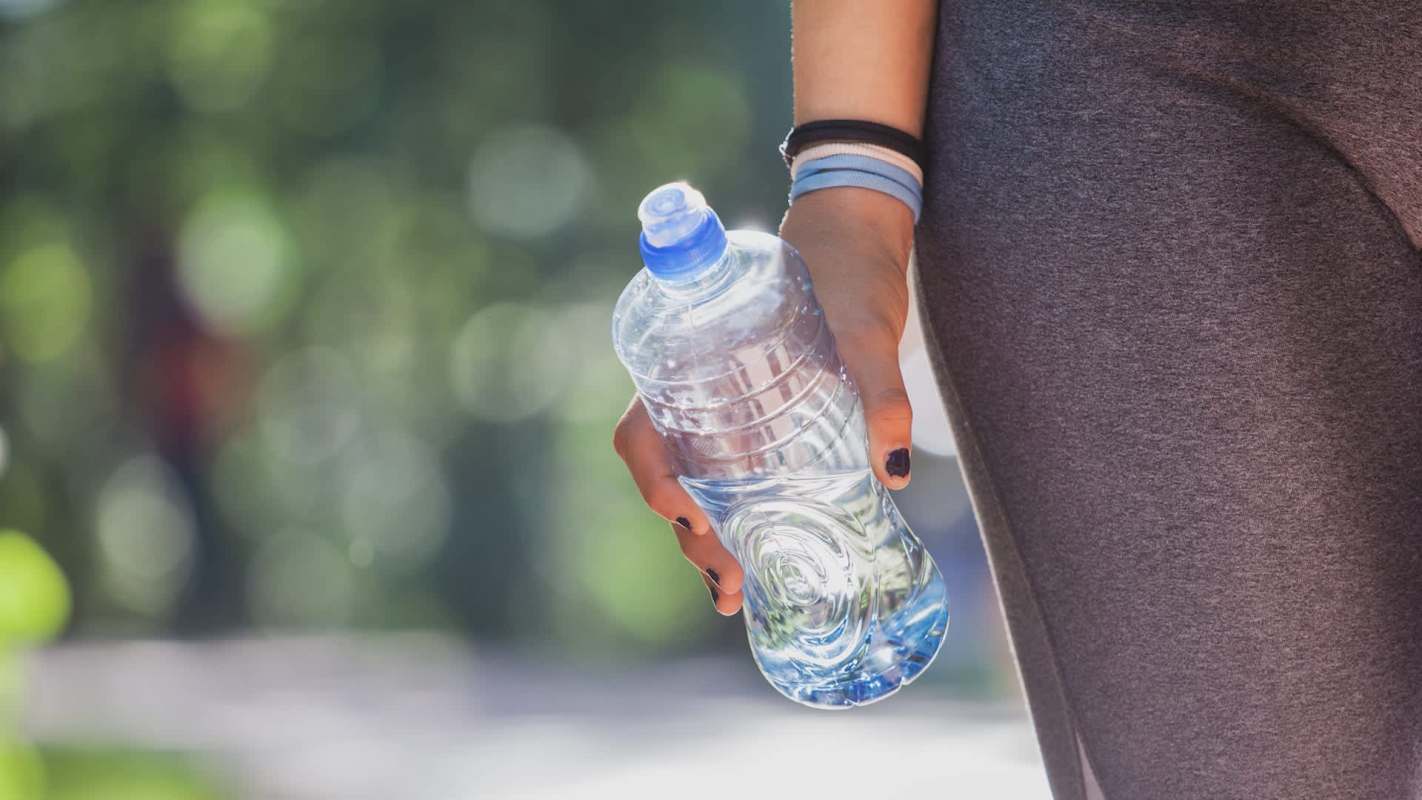
Single-use bottled water still appeals to many buyers, even as worries about microplastics and their associated health and environmental impacts grow.
Research out of Concordia University now indicates that people keep turning to bottled water for reasons that go beyond awareness, with convenience, perceived safety, and advertising all playing a role.
Here's what to know
Published in the peer-reviewed Journal of Cleaner Production, the study drew on responses from more than 15,000 people across 81 countries and found that bottled-water use was associated with age, education, geography, drinking-water access, and ad exposure.
Plastic water bottle sales top one million every minute worldwide, adding up to more than 1.3 billion a day and more than 500 billion a year. Landfills absorb much of that waste, and nano- and microplastics have also been found building up in human organs, as well as various ecosystems around the world.
According to the study's lead author, Sarah Sajedi, people often chose single-use bottles because they saw them as convenient and as protection against microbes in drinking water, per Phys.org.
"The survey results show that awareness [of plastic-related health hazards] does not always change behavior," Sajedi said, per Phys.org. "There is much more at play."
TCD Picks » Quince Spotlight
💡These best-sellers from Quince deliver affordable, sustainable luxury for all




Age differences also stood out in the findings. Younger respondents and those with more education were more likely to use single-use bottles, while older respondents were more likely to carry refillable bottles. Younger respondents, meanwhile, were also more likely to recycle them.
The study's linear regression model also showed that when respondents saw more ads for bottled water, they consumed more of it. As the study explained, "The regression was statistically significant (p<0.00001) and yielded an R2 value of 0.060, indicating that ad exposure explains about 6% of the variance in consumption behavior."
More background
Perceived risk did not, by itself, seem to change habits. Many respondents thought bottled water posed health concerns and still purchased it anyway.
"Interestingly, 75% of respondents believed that single-use water bottles contained nano- and microplastics, and 70% believed that there was a connection between these plastics and cancer," Sajedi added.
The largest share of survey respondents came from the United States and Canada. The questionnaire included 25 items covering bottled-water use, recycling habits, refillable bottle use, water access, reasons for using plastic bottles, ad exposure, environmental and health awareness, and demographics.
Where can I learn more?
This isn't the only research conducted into bottled water.
• Treatment-plant researchers found higher-than-anticipated contamination in bottled water and urged drinking tap water.
• Dietary researchers found that quitting bottled water can sharply reduce the microplastics people ingest.
• Researchers mapping plastic exposure described a major health threat lurking in bottled water's nanoplastic load.

Get TCD's free newsletters for easy tips, smart advice, and a chance to earn $5,000 toward home upgrades. To see more stories like this one, change your Google preferences here.






