


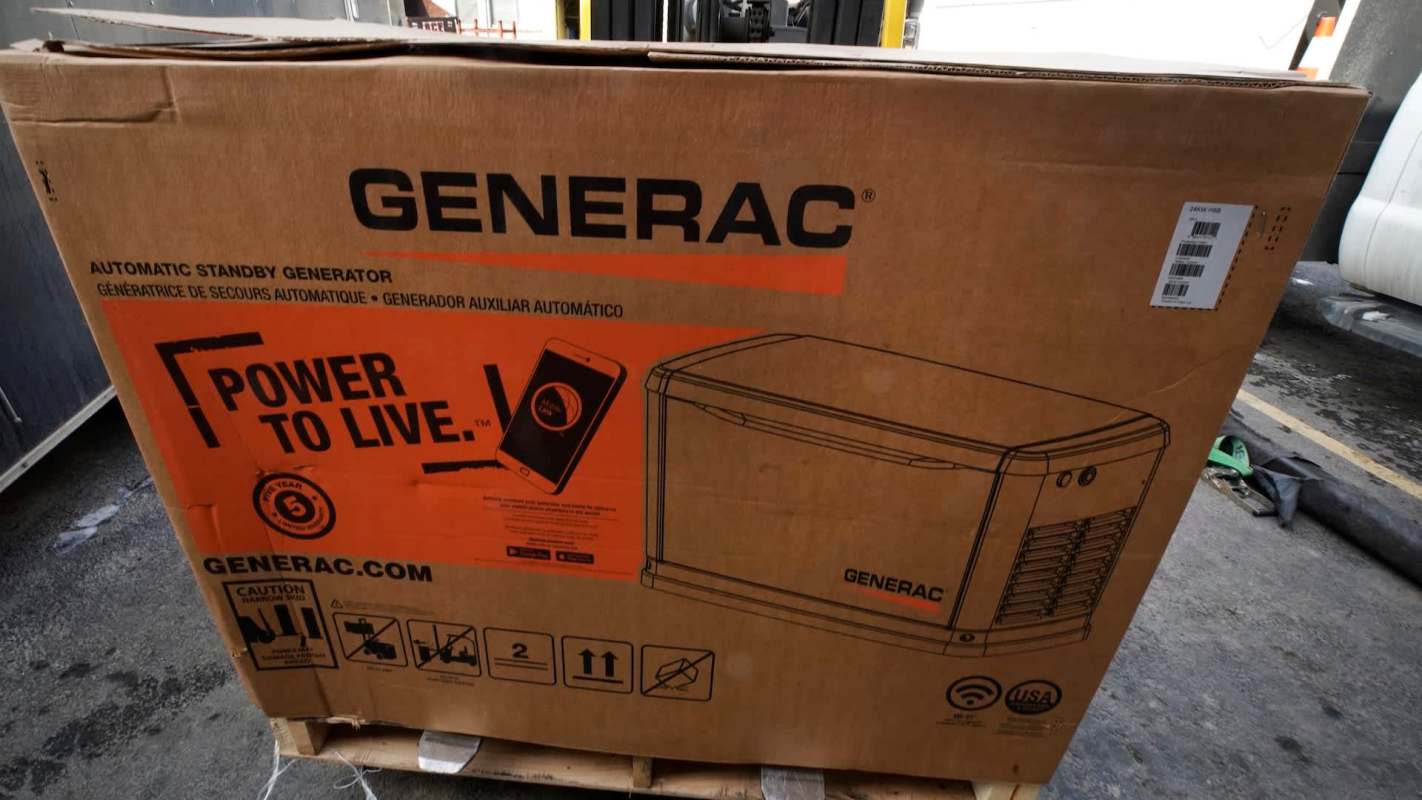
A Florida homeowner's simple question about a standby generator became a useful reality check for anyone considering backup power: Is one of Generac's most familiar product lines actually unreliable, or are different generator types being lumped together?
Here's what to know
According to a Reddit post, the Central Florida owner reported about 100 hours and six trouble-free years on a 22-kilowatt Generac Protector QS series, with Hurricane Milton accounting for the longest stretch of operation.
"Anyone know why the Guardian Series seems to have such a bad reputation?" they asked. "And anybody else with experience with the Protector QS series like mine?"
One commenter who said they service around 150 Guardian units reported "4 complete engine failures this year" and said every one was valve-related.
The same person contrasted that experience with the Protector line, writing: "The protectors are much better built in my opinion, and liquid cooled will last far longer because it can manage heat much better."
That view was not universal. Another commenter who said they service 375 air-cooled Generacs wrote: "Ive replaced 3 engines in 12 years. I myself see no issues with reliability… with proper maintenance."
TCD Picks » Quince Spotlight
💡These best-sellers from Quince deliver affordable, sustainable luxury for all




Another response boiled the reputation issue down to "Squeaky Wheel syndrome."
More background
Standby generators are becoming more important for households dealing with stronger storms, grid instability, and long outages. For many homeowners, a generator is no longer just a convenience — it can keep refrigeration, medical devices, air conditioning, and lighting running when conditions become dangerous.
Several replies suggested maintenance habits play a major role in how people perceive the Guardian line.
One commenter described Guardians as "widely owned by people who set it and forget it," saying neglected oil changes, batteries, and fuel problems often help explain breakdowns that later get blamed on the brand.
The Guardian was also described as the entry-level line, while the Protector was the heavier-duty option for longer run times.
A separate technician commenter, who said their company services more than 1,800 Generac generators, described a broad mix of problems including maintenance-related oil-pump issues on older units, valve failures, failed starters, and controllers damaged by storms and lightning.
What can be done?
Across the replies, the most common dividing line was cooling design, with commenters linking liquid-cooled systems to better heat management and longer lifespan than air-cooled models.
Routine upkeep was the other theme that kept resurfacing. Echoing commenters who compared generator ownership to owning a car, the discussion emphasized regular exercise, sticking to service intervals, and not ignoring wear items just because the machine sits quietly for most of the year.
One commenter said they run a weekly test on their 16-kilowatt unit and do a quarterly load check, adding that it has been "100% reliable."
Some commenters also pointed to working with an authorized dealer for valve checks, controller issues, and post-storm inspections, especially in high-heat or storm-prone areas.
Another commenter offered a reminder about how online reputation gets shaped: "No one remembers the ones that just do what they should. Horror stories get upvotes and engagement."
That sentiment matched another line from the thread: "Take care of it, it takes care of you."
Where can I learn more?
While generators have long been used for backup power during outages, other solutions are becoming more popular.
• Home batteries paired with solar are pulling homeowners away from aging generators.
• Replacing a gasoline unit with a home battery system can avoid fumes, storage hassles, and noise.

Get TCD's free newsletters for easy tips, smart advice, and a chance to earn $5,000 toward home upgrades. To see more stories like this one, change your Google preferences here.






