


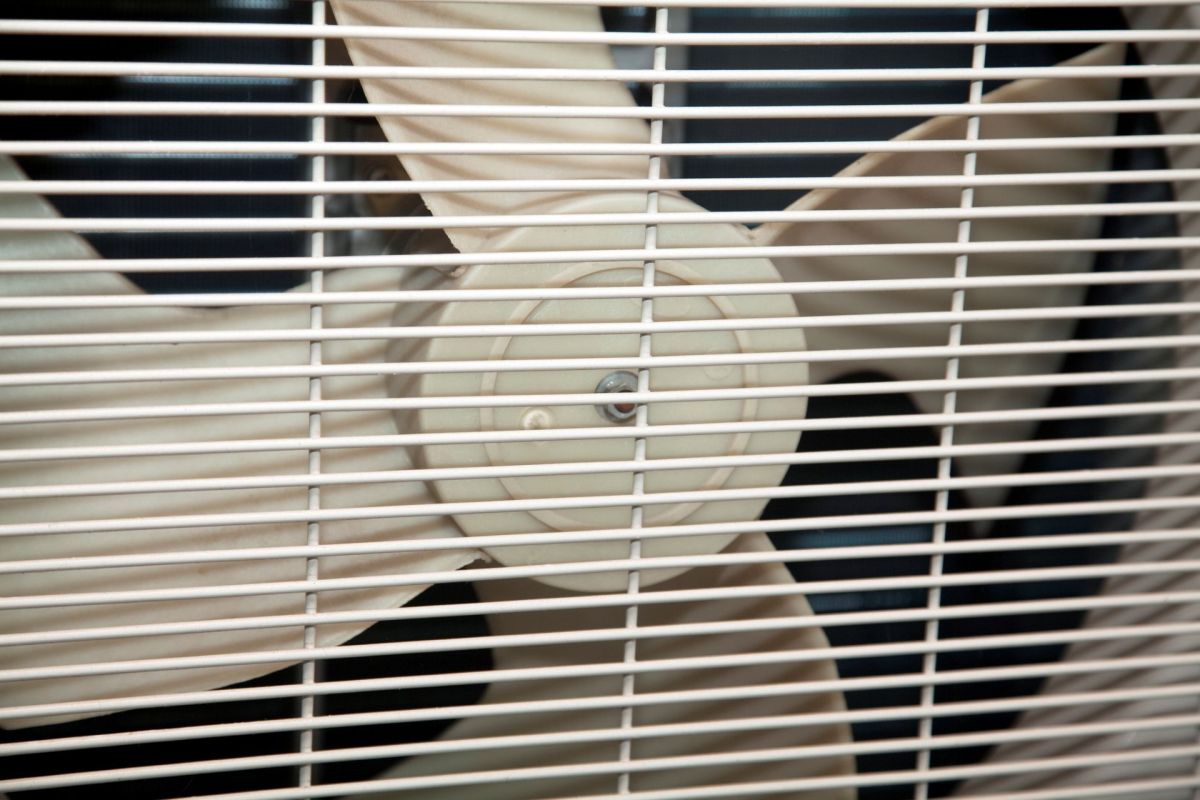
A low-cost classroom air filter made from a box fan, four filters, cardboard, and duct tape passed a real-world test in occupied university classrooms.
In a study that could be significant for schools trying to strengthen health protections without overspending, the DIY units reduced airborne particles by 61% across the room while remaining quiet enough not to disrupt classroom instruction.
Here's what to know
In the study, researchers observed 59 university class sessions with 14 to 30 students each while testing two Corsi-Rosenthal Boxes, homemade air cleaners built from common materials.
During each 50-minute class, they switched the boxes on 10 minutes after the start and left them running on a low setting for the rest of the period. The scientists published their findings in the peer-reviewed journal ACS ES&T Air.
The measurements showed a 61% decline in airborne particles throughout the classroom, indicating the boxes were improving air beyond just the area immediately around them.
As Misti Zamora, one of the study's authors, explained in a statement, the results indicate that "Corsi-Rosenthal Boxes are a safe, highly effective tool for improving air quality without disrupting the learning environment."
TCD Picks » Quince Spotlight
💡These best-sellers from Quince deliver affordable, sustainable luxury for all




Zamora added, "Commercial units can cost five to ten times more than these DIY air filters to provide the same amount of clean air. This research proves that communities don't need to choose between clean air and their school budgets."
For many schools, the price of commercial portable purifiers makes classroom-by-classroom coverage difficult. The experts estimated that building a Corsi-Rosenthal Box costs roughly $60 in total.
More background
Improving classroom air can reduce exposure to respiratory aerosols, dust, mold spores, and pollen. In schools, that can influence comfort, concentration, and potentially how easily illnesses spread in shared spaces.
Indoor air quality is increasingly being treated as a standard part of healthy building management, much like heating, cooling, and lighting. Lower-cost air filtration tools could help expand coverage in classrooms, libraries, and other shared indoor spaces.
Because commercial purifiers can be expensive at scale, these DIY alternatives may help institutions stretch limited budgets further.
Ventilation, HVAC maintenance, and building-specific safety requirements are still important, but the research suggests Corsi-Rosenthal Boxes could serve as a practical supplement where cleaner air is needed and resources are limited.
Where can I learn more?
Schools, homeowners, and researchers are trying various methods to improve indoor air quality.
• At a school in Utah, students built a classroom air filter.
• Across U.S. homes, simple habits can keep your air clean and fresher indoors.
• At Binghamton University, researchers built an indoor 'plant' that purifies air.

Get TCD's free newsletters for easy tips, smart advice, and a chance to earn $5,000 toward home upgrades. To see more stories like this one, change your Google preferences here.






