


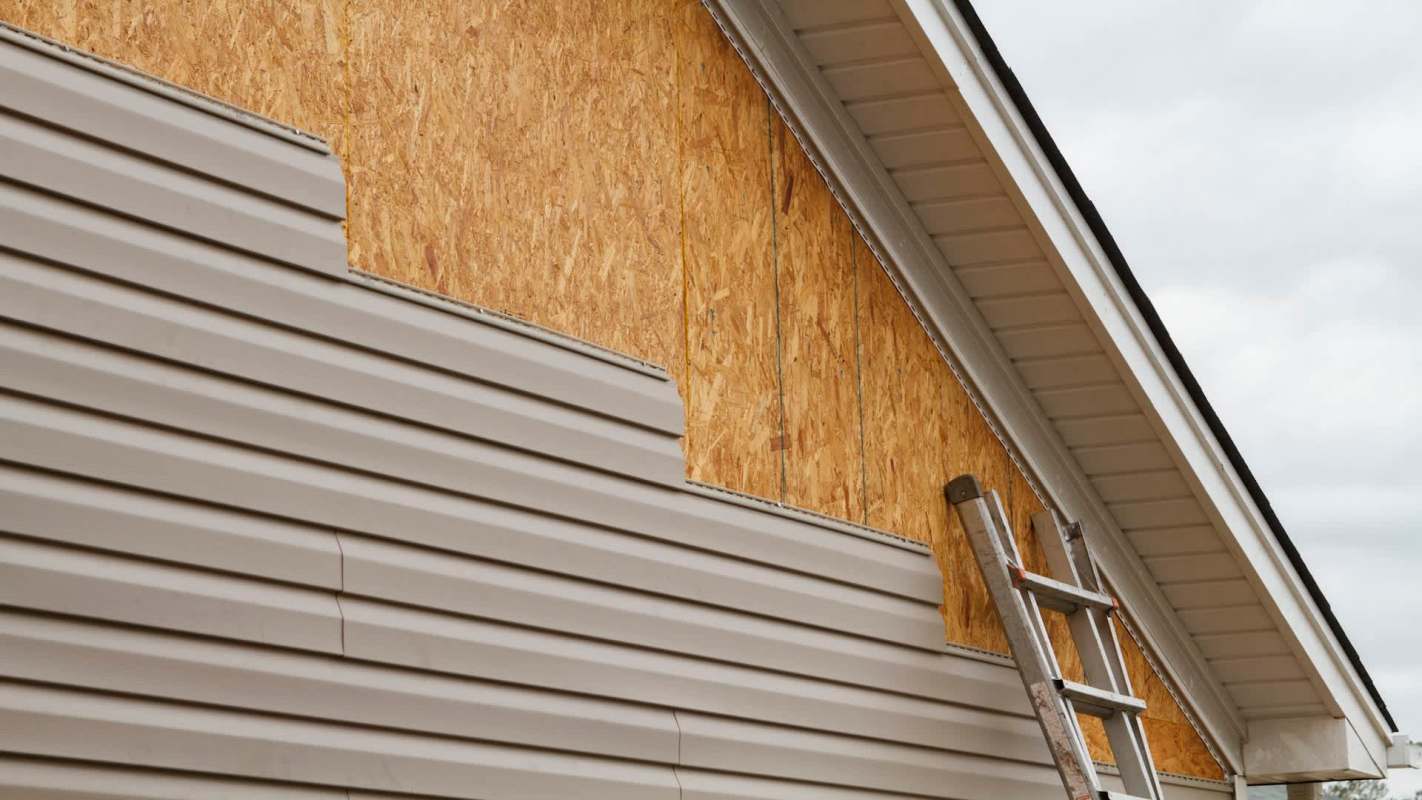
A homeowner trying to decide between restoring worn cedar siding and covering it with vinyl got a strong message from other renovators: if the original wood has already lasted this long, it is worth keeping.
Here's what to know
In a Reddit thread, the homeowner asked, "Should we get existing cedar siding repaired/re-stained, or go for vinyl siding?"
"The home is 60+ years old, and the all-around cedar siding is lovely, but has some pull-away boards, holes from wear/age/woodpeckers, and hasn't been re-stained in about 25 years," they explained.
"So, what is the best and least expensive option: hiring someone to repair the cedar siding and then hiring someone else to re-stain it — or completely covering it with vinyl siding?" they asked.
Most replies favored keeping the cedar. One commenter wrote, "I would always stick with the cedar, imagine what vinyl siding will look like in 60 years."
"Vinyl won't last 20 years and will never look as nice," another person added.
TCD Picks » Quince Spotlight
💡These best-sellers from Quince deliver affordable, sustainable luxury for all




A third said, "Cedar has lasted 60+ years with minimal maintenance and needs a few basic repairs. And you're considering removing it all and putting up plastic... Dude, fix the cedar and go over it every few years and do routine repairs. It's already outlasted the previous owners. With a bit of care it'll outlast you just fine."
More background
Several commenters argued that, when original materials are still repairable, keeping them can make more sense over time than switching to vinyl.
One commenter estimated that switching materials would mean "replacing 20 grand worth of cedar, with 5 grand worth of vinyl."
Someone who had experience living with both materials said, "The vinyl fades in the sun and becomes brittle. It offers no sound barrier or insulation."
Another person said that on older homes especially, original cedar can help maintain character and resale value, while vinyl may cover up architectural details and make the house less appealing.
What can be done?
Many said the first step should be figuring out how much of the existing siding can actually be saved, rather than assuming the whole exterior needs to be replaced.
One commenter suggested calling a handyman or carpenter for repair work before contacting a siding company, warning that "they're just going to want to sell you all new siding because that's easier and bigger $$$."
If some of the siding truly is beyond repair, commenters said there are other options besides vinyl. Fiber cement products, including Hardiboard, were mentioned multiple times for homeowners who need more than a touch-up but still want to avoid plastic cladding.
As someone noted: "The beauty of wood is how repairable it is. Our cedar siding was getting pretty bad and after some sanding, the right wood filler and a fresh coat of paint it looks brand new. Replacing it would be a mistake unless it's really too far gone to save, which I doubt it is."
Where can I learn more?
Home improvements are not just aesthetic choices; they can also influence home value and functionality.
• On the Texas Gulf Coast, a homeowner fought for hurricane-proof roofing approval from an HOA.
• Builders are still challenging common straw-bale misconceptions as interest grows in natural homes.
• A homeowner's backyard plan sparked rubber mulch debate over synthetic versus natural materials.
• A tiny-home owner searched for low-effort landscaping ideas that would still help resale.
• Homeowners weighing upgrades often ask whether solar panels increase value over time.

Get TCD's free newsletters for easy tips, smart advice, and a chance to earn $5,000 toward home upgrades. To see more stories like this one, change your Google preferences here.






