


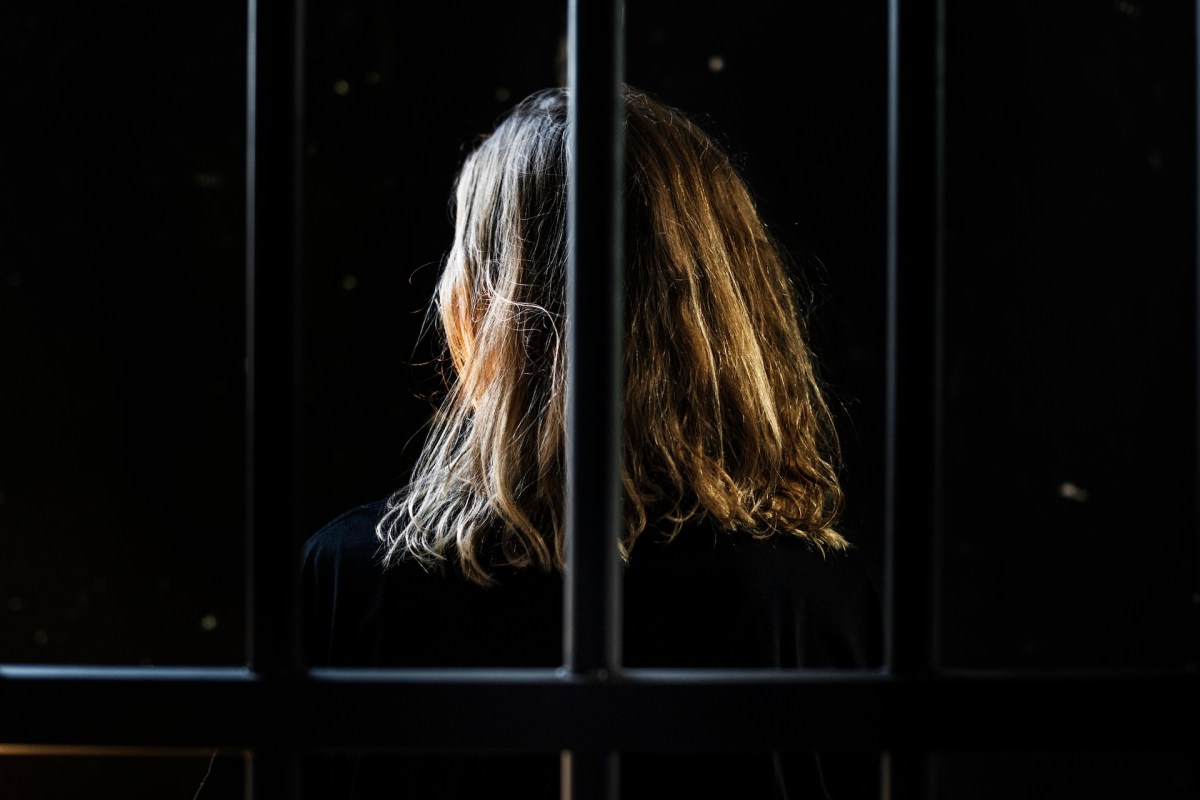
A Florida woman said a camera record placing her SUV near a highway crash scene had led to her being arrested and held in solitary confinement.
After prosecutors dropped every charge, her testimony is drawing renewed attention to how automated license-plate readers are used and what can happen when investigators lean too heavily on tech-generated leads.
Here's what to know
In testimony to the Senate Judiciary panel on Crime and Counterterrorism on Sept. 23, 23-year-old Palm Beach resident Lindsey Isaacs described a case that she said upended her life.
NEW: Florida woman gives emotional testimony about being placed in solitary confinement for more than 3 days after a Flock camera falsely connected her vehicle to a deadly crash:
— Fox News (@FoxNews) September 23, 2026
"Correctional officers told me I had to stay there because of the severity of my charges... The cell… pic.twitter.com/3CigDSz6Xm
Three people were killed in a Volusia County crash on Interstate 4 on Oct. 4, 2025. Reporting from WFTV and CBS12 said investigators were looking for a Dodge Durango, and a Flock camera recorded Isaacs' black Dodge Durango two to three miles from the crash scene.
Isaacs was arrested in April 2026 even though witnesses had described a vehicle of a different color and that Isaacs' SUV lacked the expected damage, according to reports from Fox 35 and Atlanta News First.
Gadget Review reported (via Yahoo News) that a Flock Safety automated license-plate recognition, or ALPR, camera record became part of the investigation that led to her arrest on eight felony counts, including three vehicular homicide charges.
TCD Picks » Quince Spotlight
💡These best-sellers from Quince deliver affordable, sustainable luxury for all




ALPR records show only that a vehicle was near a certain place at a certain time; they do not establish who was driving or whether the vehicle caused a crash.
Atlanta News First also reported that Flock Safety has publicly said its cameras are designed to provide leads, not to determine identity or guilt.
More background
After her arrest, Isaacs said in her written Senate testimony that she spent about 86 hours in solitary confinement. She said correctional officers told her the isolation was necessary because of how serious the charges were and because an evaluation was pending.
The Center Square reported that she then spent roughly a day in a mental-health unit before being moved to maximum-security housing, where she stayed for the rest of her 13 days in custody. Isaacs also testified that when she reached her lowest point, she no longer wanted to live.
Prosecutors eventually dropped the charges. Fox 35 reported that investigators identified Alisa Montalvo as the suspected driver in the deadly crash, and Isaacs has sued Florida Highway Patrol troopers and the agency in civil court, though those claims are pending in court.
Where can I learn more?
Questions about whether powerful technology is moving faster than oversight are at the center of these stories, too. They cover Tesla crash testimony, widening artificial intelligence risks, public backlash over AI's resource demands, and congressional battles over AI rules.
• In court, a former federal safety official called Tesla's Autopilot system "defective" in crash testimony.
• A report warns of a very significant jump in AI risks demanding stronger regulation.
• Across tech, the backlash may get brutal as AI strains jobs, water and power.
• In Congress, a controversial plan quietly advancing raised alarms about AI's toll on climate and health.

Get TCD's free newsletters for easy tips, smart advice, and a chance to earn $5,000 toward home upgrades. To see more stories like this one, change your Google preferences here.






