


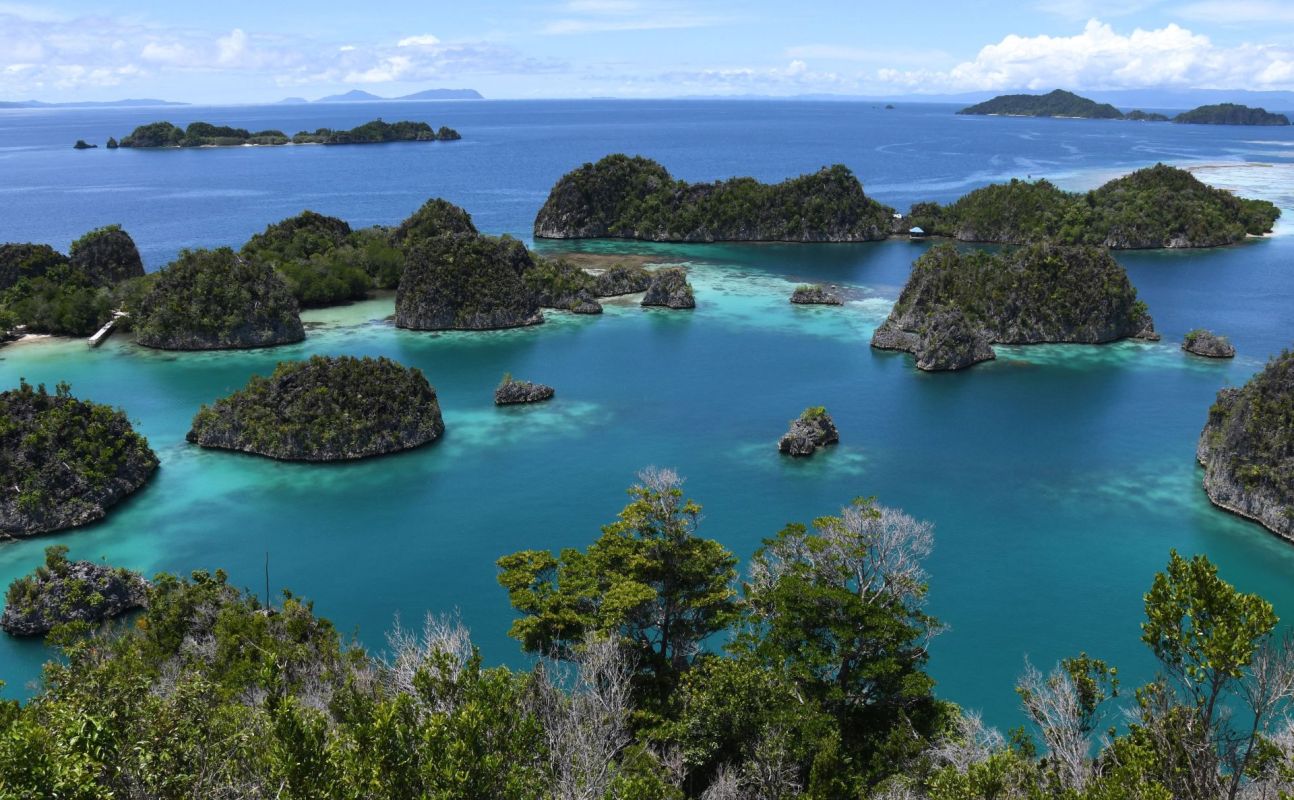
A public pressure campaign to protect one of Indonesia's most ecologically important island regions appears to have secured a major concession from an automaker. Hyundai said it does not use — and does not plan to use — nickel sourced from Raja Ampat in its electric vehicles.
Here's what to know
In an Instagram post, Greenpeace International (@greenpeace) framed Hyundai's statement as an example of "people power," saying worldwide activism had brought mining in the archipelago international attention.
The group also credited public pressure with influencing Indonesia's 2025 move to cancel four of the region's five mining permits. It described Raja Ampat as home to high-value ecosystems, Indigenous peoples, and coastal communities.
Nickel is used in some EV batteries, which means supply-chain decisions can have consequences far beyond factory floors.
"Protect critical ecosystems, respect Indigenous rights," one commenter wrote, while another added, "Good for you all who are involved in the protest. Good for you and thank you."
More background
As demand for EVs rises, the mining required for batteries is drawing increasing scrutiny from communities, campaigners, and consumers who want cleaner technology without environmental damage.
TCD Picks » Quince Spotlight
💡These best-sellers from Quince deliver affordable, sustainable luxury for all




After Greenpeace Indonesia released a report, Unprotected Paradise, communities are once again rallying for full transparency from both the government and automakers. According to the post, the Business and Human Rights Resource Centre challenged 25 of the biggest automakers to be transparent about the raw materials used in their batteries; only Hyundai responded.
Greenpeace said the campaign put "the hidden reality of nickel mining in this extraordinary archipelago" in the global spotlight, turning what might otherwise have remained a local extraction story into an international accountability test for both governments and corporations.
What's being done?
The most concrete steps Greenpeace described are permit revocations and Hyundai's public stance on Raja Ampat nickel.
It urged continued action to secure stronger long-term safeguards, including official limits on mining in sensitive ecosystems and protection for the rights of Indigenous peoples and coastal communities.
"Raja Ampat needs more than promises. It needs lasting protection, including officially restricting mining in high-value ecosystems, and respecting the rights of Indigenous peoples and coastal communities," Greenpeace stated.
Where can I learn more?
For more on the pressure surrounding EV battery minerals, mining, and sourcing decisions, start with these stories. They look at claims about EV mining, impacts on Indigenous communities, new metal sources, and battery technologies that could reduce reliance on nickel.
• Experts say EV critics often overstate the mining burden even as battery sourcing demands scrutiny.
• Indigenous leaders describe brutal repression around mining as transition minerals reshape local lands.
• In China, JAC Group showed a sodium-ion battery could curb nickel demand.
• Scientists uncovered an unlikely source for an extremely rare metal used in EVs.

Get TCD's free newsletters for easy tips, smart advice, and a chance to earn $5,000 toward home upgrades. To see more stories like this one, change your Google preferences here.






