


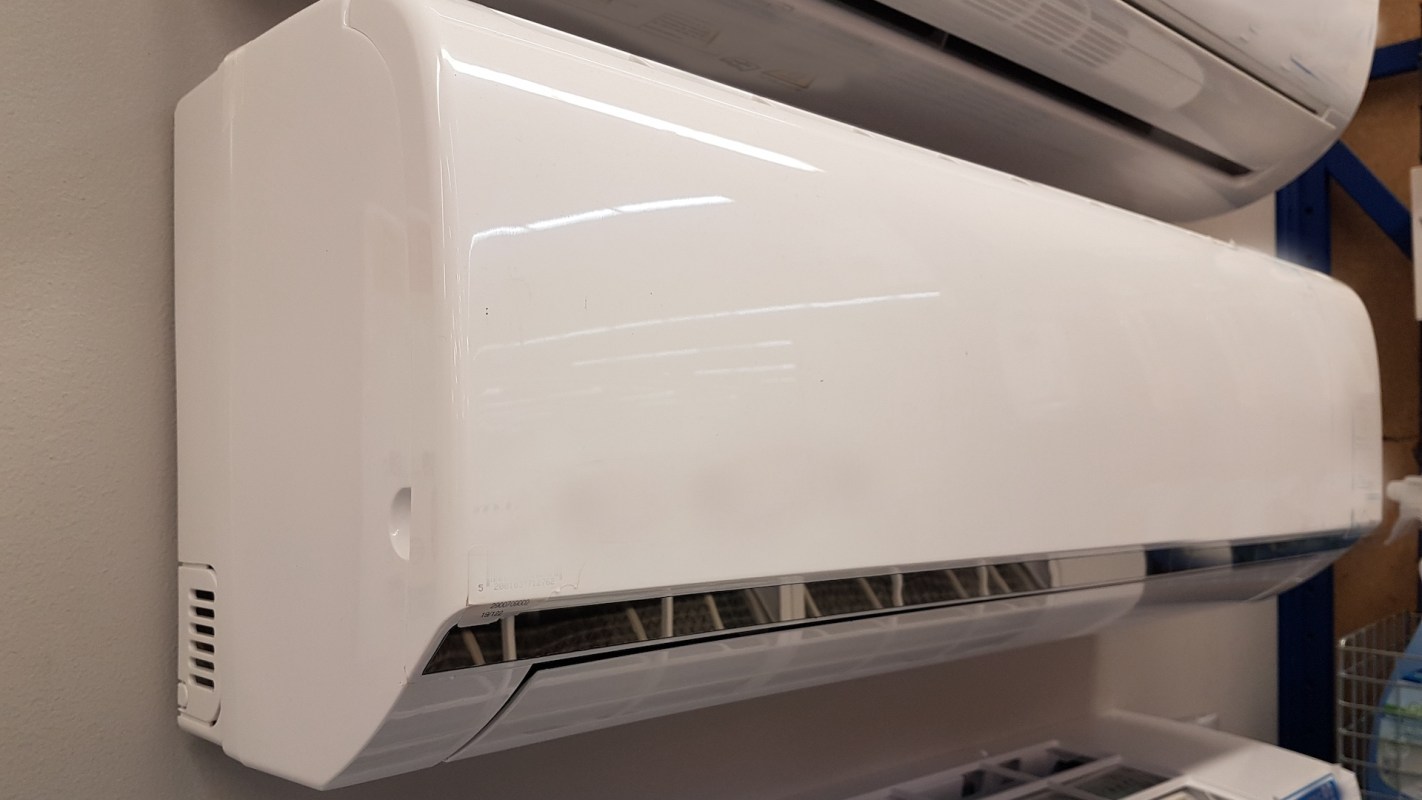
A Florida homeowner shopping for a replacement HVAC system got two very different recommendations. One company suggested keeping the existing 3.5-ton setup, and another said to upgrade to a 5-ton unit and redo the ductwork.
That kind of mismatch can get expensive fast, and the debate offered a useful reminder for anyone trying to cut energy bills without overpaying for the wrong equipment.
Here's what to know
The issue came from a Reddit user in Florida who said their 2,800-square-foot home has average insulation and a zoned AC setup. One contractor said the house needed a larger 5-ton system, while another said the existing 3.5-ton size should stay. As Redditors discussed, the most common advice was to get a Manual J load calculation before committing to either option.
One commenter wrote, "The companies quoting you should be doing a Manual J, especially if claiming you need to add 1.5 tons."
In Florida, more cooling capacity can actually create new problems. A unit that's too large may hit the thermostat setting quickly but leave too much moisture in the air, making the home feel clammy even when the temperature looks right.
For homeowners trying to make sense of those options, Palmetto can help homeowners understand their HVAC options and slash their energy bills with new, efficient HVACs and heat pumps. Palmetto's Comfort Plan network can help you find efficient heating and cooling solutions for your home and connect you with vetted installers.
More background
The homeowner said the system still reaches the set temperature, with the main concern being how often it seems to run during Florida summers. "The only notable thing is that the AC seems to run quite a lot throughout the summer, which I assumed was normal for Florida," the original poster wrote. "My electric bill does feel very high, I'm usually paying around 300-400 for electric in the summer months."
Many commenters said long runtime by itself is not evidence that the system is too small. As one person wrote, "You want long run times." The same commenter also said, "It's completely normal during peak heat for a unit to run 16+ hours a day."
Save $10,000 on solar panels without even sharing your phone number Want to go solar but not sure who to trust? EnergySage has your back with free and transparent quotes from fully vetted providers in your area. To get started, just answer a few questions about your home — no phone number required. Within a day or two, EnergySage will email you the best options for your needs, and their expert advisers can help you compare quotes and pick a winner. Solar panels can save you more than $50k over their 25-year lifespan, and EnergySage can help you save as much as $10k on installation. Which begs the question — isn't that worth an email or two? |

What can be done?
When HVAC contractors disagree on system size, asking for a Manual J load calculation is the next logical step.
Commenters also suggested looking at the house itself before assuming more tonnage is the answer. They pointed to factors such as insulation, ductwork, windows, and utility efficiency programs from power companies like FPL and Duke as ways to improve comfort and possibly cut bills.
For people ready to explore replacement options, Palmetto Comfort Plans include $0-down options that can lower your heating and cooling costs by up to 50%, along with 12 years of free maintenance. That can make an efficient HVAC or heat pump upgrade much easier to consider if upfront cost is the main barrier.
Homeowners can also pair solar panels with electric appliances, including efficient HVAC systems, to push utility costs even lower. EnergySage makes it easy to find the best solar system and installer for your home and budget, saving you up to $10,000 on installations.
Where can I learn more?
These stories explore the same questions that come up when HVAC bids are all over the place. They cover AC quote comparisons, heat pump estimates, humidity concerns, and the upfront costs that often shape upgrade decisions.
• In South Florida, quotes from $7,400 to $13,100 showed how much line items can vary.
• In central New Jersey, quotes from $15K to $20K left homeowners weighing whether a heat pump was worth it.
• In Virginia, a 2-ton heat pump quote came in at $12,000, and pros urged more bids.
• One homeowner found reducing humidity at home mattered more than chasing the lowest thermostat reading.
• Across the HVAC market, upfront cost remains the barrier that keeps many homeowners from upgrading.

Get TCD's free newsletters for easy tips, smart advice, and a chance to earn $5,000 toward home upgrades. To see more stories like this one, change your Google preferences here.






