


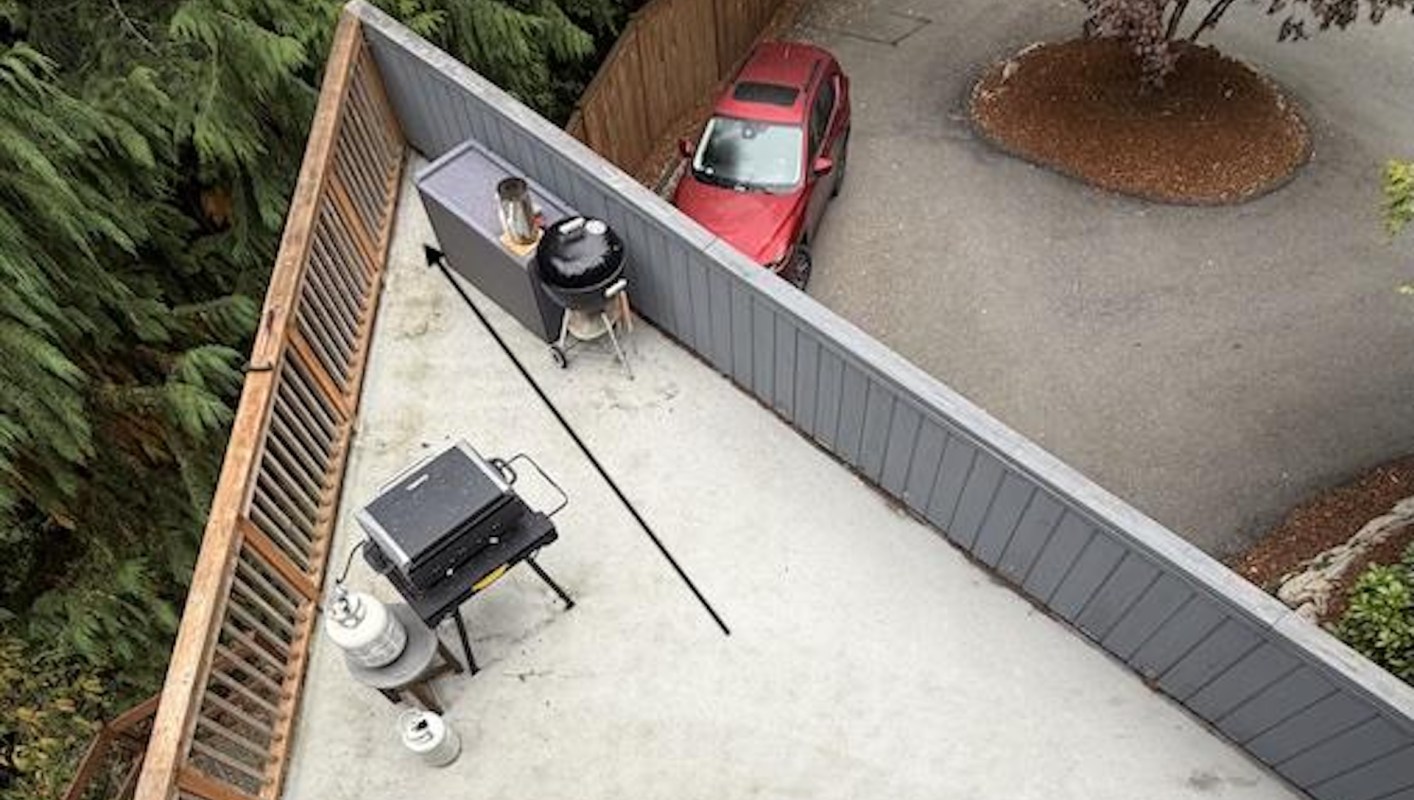
A Pacific Northwest homeowner dealing with repeated power outages caused by falling trees wanted to know whether a deck corner could be a safe long-term place to store and run a propane generator — a question with important implications for carbon monoxide exposure, heat damage, and fire risk.
Here's what to know
The question came up in a Reddit thread. The homeowner was considering the far corner of a deck, with about 20 feet between that spot and an exterior wall and roughly another 15 feet to the nearest access door. The homeowner wrote, "Seems like a good spot - but am I cutting it too close with distance to the home?"
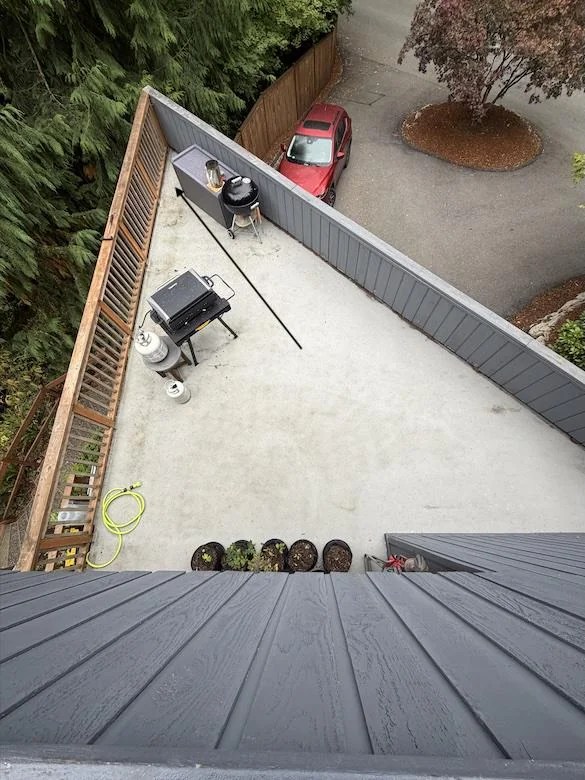
Most replies focused less on the measurement itself and more on where the exhaust would go. Commenters generally said the distance sounded acceptable, as long as fumes were directed away from the house and not aimed at wood railings or other combustible materials.
A poorly placed generator can create carbon monoxide risks, heat damage, or even fire hazards, all of which can quickly turn a backup power plan into a costly problem.
But for households that lose power multiple times each year, getting the setup right can also help protect groceries, keep essential appliances running, and reduce the odds of paying for emergency lodging or repairs during an extended outage.
More background
Portable generators are often treated like plug-and-play tools during storms, but where you place them can make a big difference.
TCD Picks » Quince Spotlight
💡These best-sellers from Quince deliver affordable, sustainable luxury for all




Even so, the main point was that open-air clearance and proper exhaust direction matter more than simply trying to reroute the fumes.
Commenters also stressed that running on propane does not remove the need for carbon monoxide detectors inside the home.
What can be done?
Start by checking the overall spacing. The generator should have plenty of room around nearby walls, railings, and entry points, and the exhaust should point away from the house rather than toward anything flammable.
Finally, include carbon monoxide protection in the plan from the beginning. Detectors near the closest door or window can help identify a problem early, and keeping spark arrestors and other safety components in working order can further reduce the risk.

Get TCD's free newsletters for easy tips, smart advice, and a chance to earn $5,000 toward home upgrades. To see more stories like this one, change your Google preferences here.






