


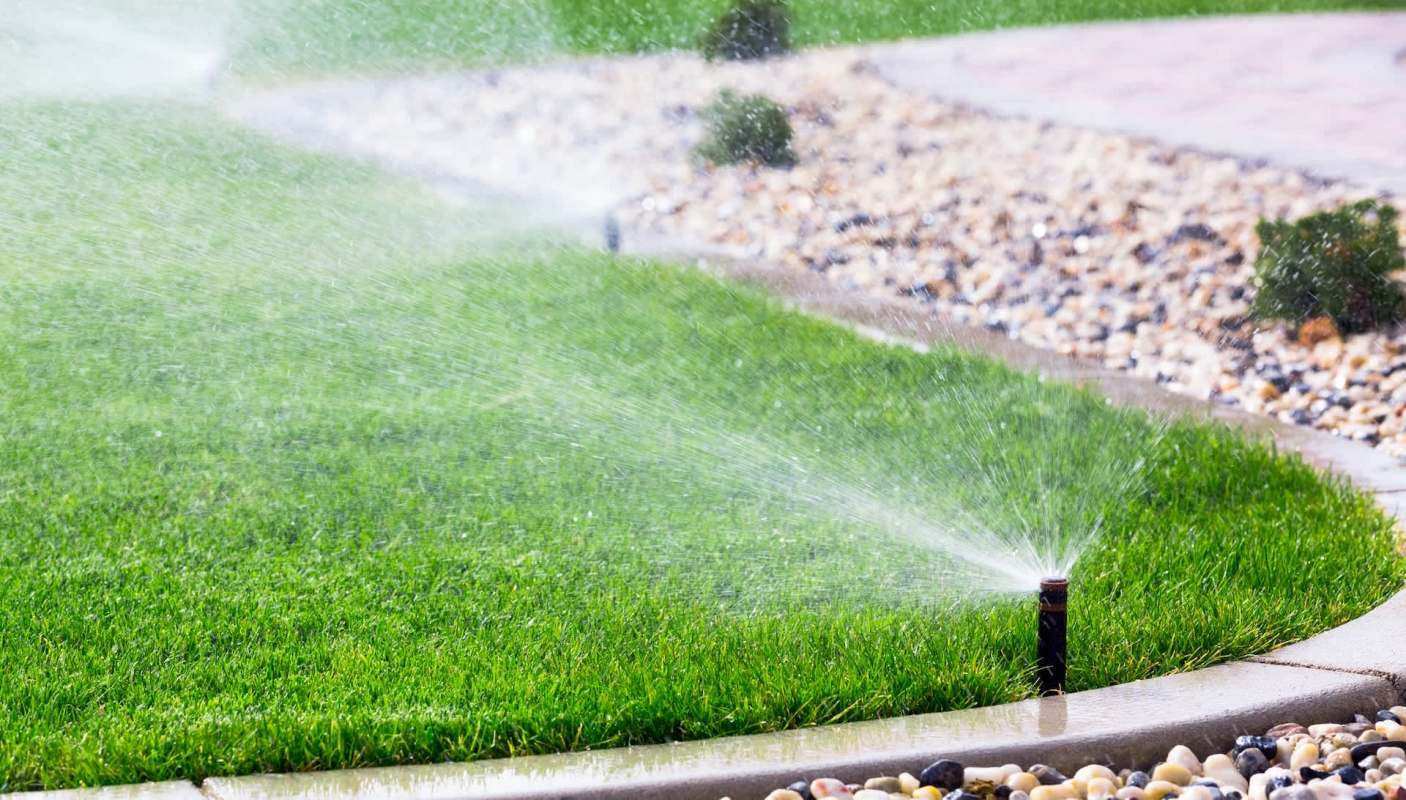
San Antonio is back under tighter drought rules after a drop in the Edwards Aquifer, activating stern water restrictions with possible fines.
Here's what to know
San Antonio's return to Stage 3 watering rules was automatic once the Edwards Aquifer's 10-day average slipped below 640 feet above mean sea level — a benchmark set in city rules, as Fox San Antonio reported.
Most residents still follow the same watering hours: 5-10 a.m. and 9 p.m. to midnight on weekdays. Addresses ending in 0 or 1 water on Monday, 2 or 3 on Tuesday, 4 or 5 on Wednesday, 6 or 7 on Thursday, and 8 or 9 on Friday. San Antonio Water System (SAWS) also noted that hand watering with a hose remains permitted every day at any hour.
Instead of changing those time windows, Stage 3 mainly increases costs for heavier users. Residential customers who use 20,000 gallons or more in a month face a high-use surcharge, and commercial irrigation accounts can also face extra charges based on meter size. SAWS said fewer than 2% of the city's residential customers use enough water to trigger those added charges.
More background
Water restrictions can affect far more than lawn care. As drought conditions intensify, communities may face growing pressure on drinking water supplies, higher utility costs, and tough decisions about how to allocate available water among households, businesses, and other needs. In areas that depend heavily on aquifers, declining groundwater levels can further signal stress on an essential natural resource.
Stage 3 restrictions bring more immediate impacts for residents and businesses. Households that use significant amounts of irrigation need to cut consumption quickly to avoid surcharges and other penalties, while businesses that maintain large landscaped areas may face higher operating costs. For communities already dealing with prolonged drought, these restrictions can affect both household budgets and day-to-day operations.
TCD Picks » Quince Spotlight
💡These best-sellers from Quince deliver affordable, sustainable luxury for all




What's being done?
SAWS says it has invested in a more resilient water system so San Antonio is not relying only on the Edwards Aquifer. The utility said that the aquifer provides roughly half of San Antonio's drinking water supply and is one of nine total water sources.
Its desalination plant is part of that strategy, as is an Aquifer Storage and Recovery facility that SAWS has described as the country's largest groundwater-based facility. Those investments are meant to help shield the city from deeper shortages and make harsher watering restrictions less likely.
The utility is also promoting customer conservation efforts. SAWS said it offers conservation programs, coupons, and rebates, with up to $600 in coupons for residents who swap water-intensive grass for drought-tolerant landscaping, according to Fox San Antonio.
Martha Wright, SAWS director of conservation, said, "The return to Stage 3 is not surprising, given the hot, dry weather we've been experiencing. Our community has proven that even in drought, it's possible for customers to maintain their yards while protecting the aquifer."
Where can I learn more?
Here are a few related stories on how drought is straining water systems in Texas and other parts of the country.
• Across Texas, cities remain under constant water restrictions as drought keeps supplies below normal.
• In Corpus Christi, a water crisis offers a grim warning about Texas' hotter future.
• In Wichita, officials expand multi-stage water restrictions and prepare tougher enforcement as drought lingers.
• California has permanent water restrictions on cities as officials adapt to persistent drought.
• In Wichita Falls, water customers are still under restrictions even as lakes refill.

Get TCD's free newsletters for easy tips, smart advice, and a chance to earn $5,000 toward home upgrades. To see more stories like this one, change your Google preferences here.






