


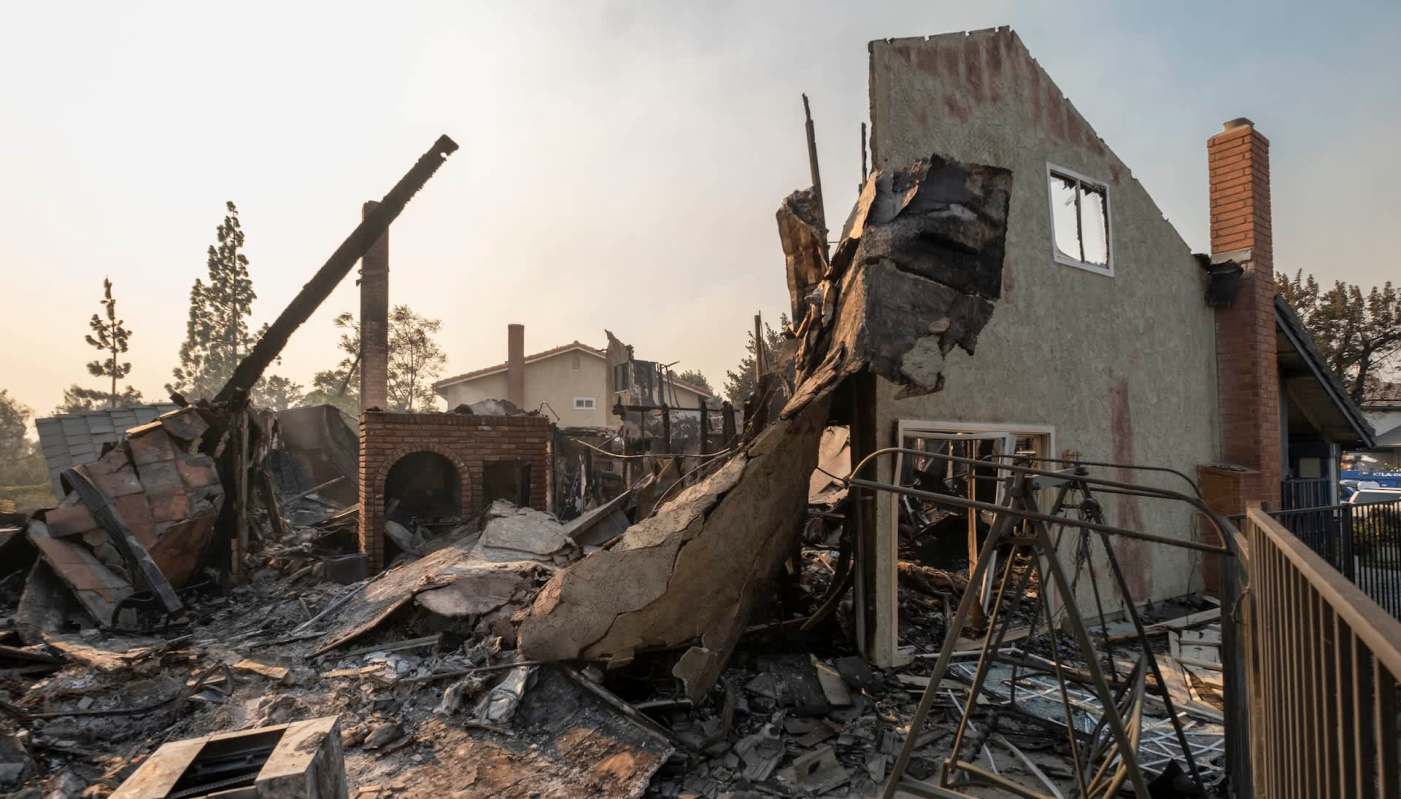
A new survey in Los Angeles seeks to answer which insurers helped families recover and which ones made that process even harder.
For families still trying to rebuild after losing their homes, the effort could turn thousands of private experiences into a public record.
Here's what to know
Families affected by the Eaton and Palisades fires are being asked to share how their insurers handled claims through Every Fire Survivor's Network's (EFSN) new L.A. Fire Survivor Insurance Survey. The survey is available at FireSurvey.org and will remain open until enough people respond to allow for statistically meaningful analysis.
A UCLA research team is carrying out the project with survivors.
Organizers say the goal is to assemble a first-of-its-kind public record, broken down by insurer, that can distinguish isolated incidents from repeat problems and show which companies are living up to their commitments and which ones are falling below the bar.
According to Downtown Los Angeles, the Los Angeles Times found that after eight years, only 38% of families who lost homes in the five biggest California wildfires before 2025 had rebuilt. The biggest factor was whether insurers paid claims in full and on time.
TCD Picks » Quince Spotlight
💡These best-sellers from Quince deliver affordable, sustainable luxury for all




Joy Chen, executive director of EFSN, said, "Some insurers count on wearing families down until they run out of money or energy to fight back."
More background
The survey comes as many fire survivors say their recovery has stalled. The Department of Angels says 70% of insured L.A. fire survivors are experiencing delays, denials, or underpayments, per Downtown Los Angeles.
Organizers say that without a broad public dataset, it has been difficult to judge whether these disputes are isolated mistakes or evidence of a larger problem. They say the survey could shed light on underinsurance, insurers' treatment of smoke-damage claims, and whether homeowners were nonrenewed and moved onto the FAIR Plan before the fires.
EFSN has brought in Aimery Thomas, managing director of The Future Organization, to advise on the survey's architecture, methodology, and data security. Thomas will also review survivors' reports about their insurers.
After a disaster, insurance is meant to finance the path back to restoration. When it fails to do that, rebuilding a home and a life can take years.
What's being done?
Every survey question was designed to assess whether an insurer is meeting its legal and contractual duties and how effectively it serves its customers.
The UCLA team will compile and analyze the responses and help create public data visualization tools that survivors, journalists, researchers, and policymakers can use.
Gabriella Carmona, senior research analyst at the UCLA Luskin School of Public Affairs, said the aim is to turn personal hardship into evidence that can lead to action.
As Thomas put it, per Downtown Los Angeles: "Insurance companies sell policies, but what they are really selling is trust. Families pay premiums for years believing their insurer will be there when they need them most. This survey is designed to measure what happens when that promise is finally tested, and show which insurers delivered."
The survey will create three free public resources. Organizers also say the findings could help inform regulatory enforcement, policymaking, investigative journalism, litigation, and law enforcement inquiries where warranted.
"If your insurer delayed, denied or underpaid you, say so. If they kept their promises and helped you recover, say that too," Chen said. "This is our chance as survivors to create the record none of us had when the fires happened. Make sure your experience counts when your insurer's performance is measured."
People looking to support broader recovery and resilience efforts can also consider donating money to climate causes.
Where can I learn more?
These stories add insight into how wildfire survivors and homeowners are dealing with insurers in California and beyond.
• In Los Angeles, fire victims filed suit against insurers as claim disputes mounted.
• Across California, homeowners say insurers dropped coverage after fires just when trust was most needed.
• After wildfires, families face uncertainty over smoke-damage claims and the hidden costs of return.
• In California, a major insurer stopped offering coverage to new homeowners in risky areas.
• Iowa officials warn California wildfire costs could drive insurance strain far beyond fire zones.

Get TCD's free newsletters for easy tips, smart advice, and a chance to earn $5,000 toward home upgrades. To see more stories like this one, change your Google preferences here.






