


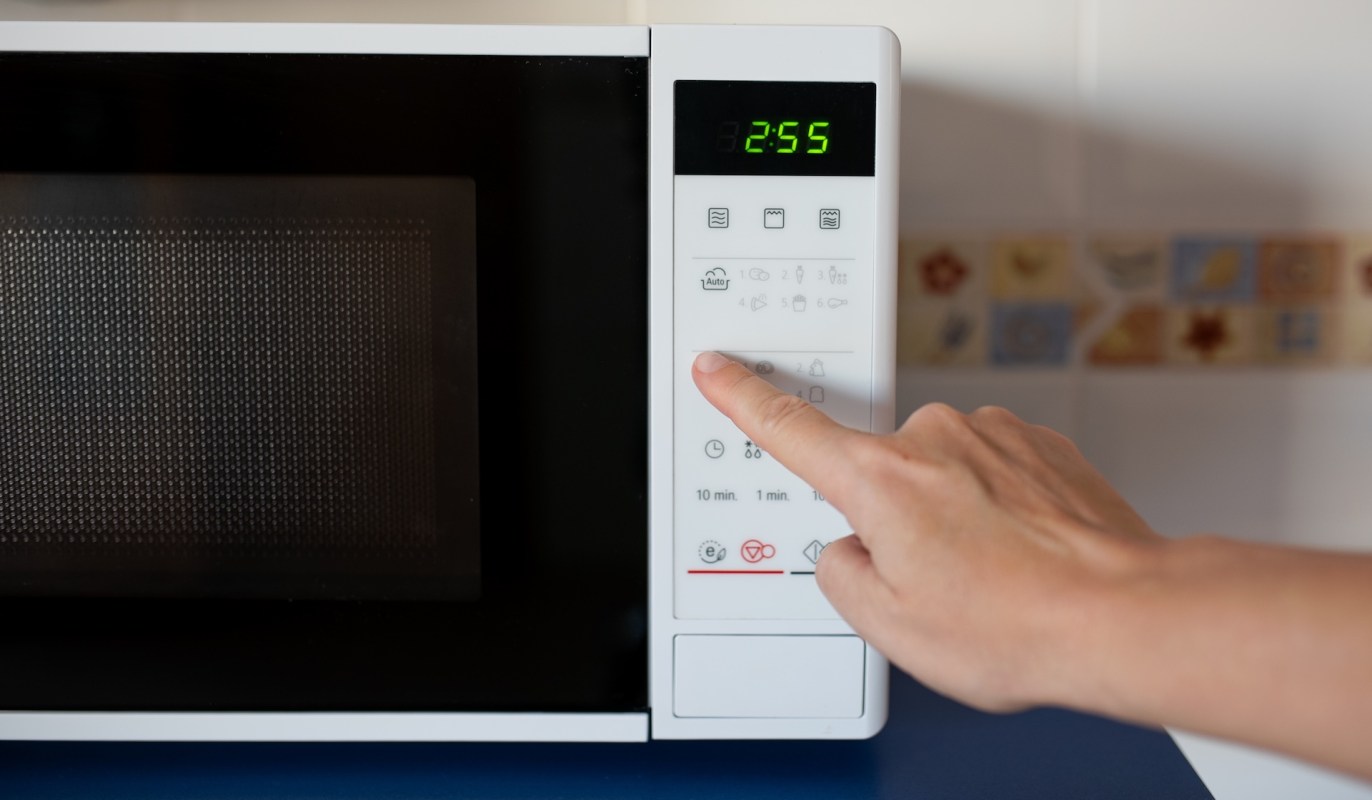
A viral stunt involving microwave squishy toys is causing the Consumer Product Safety Commission to issue a direct warning: Don't try it.
What may look like harmless internet experimentation can leave children and teens with severe burns — and the CPSC says that isn't the only danger.
Here's what to know
The Consumer Product Safety Commission says children and teens should "never" imitate online videos in which soft squishy toys, such as dumpling-shaped ones, are put in microwaves until they swell, change color, or pop. OregonLive reported on the warning.
Federal officials say the toys can rupture after heating and spill hot filling that can cause serious injuries.
"These demonstrations are dangerous and should never be attempted or imitated," the agency wrote. It added, "Heated toys may burst and release material that can cause severe burns."
Another concern is that the filling may not come off right away if it lands on skin. "Because the filling may be sticky and adhere to the skin, it can continue transferring heat and worsen the injury," the CPSC warned.
TCD Picks » Quince Spotlight
💡These best-sellers from Quince deliver affordable, sustainable luxury for all




More background
Even without a microwave, heat can create the same kind of hazard. As OregonLive reported on the CPSC warning, the toys can also become dangerous in hot environments such as inside vehicles or under direct sunlight. This means that serious injuries can still happen even without intentionally trying to heat up the toys.
The agency has linked the warning to a wider safety problem involving counterfeit squishy toys entering the U.S. market. In a separate notice, the CPSC said fake versions can contain hazardous materials such as lead, expanding water beads, and other dangerous substances. If those contents leak out, the risks can quickly become even more serious.
CPSC data shows that by September 2026, the agency had identified 55 shipments of fake or counterfeit squishy toys at U.S. ports and blocked 355,683 units from entering the country, according to OregonLive.
What can be done?
The main precaution is to avoid heat: keep squishy toys away from microwaves, sunny windowsills, and enclosed cars. If a toy looks damaged, swollen, leaking, or unusually warm, handle it carefully and keep it away from children.
If a toy bursts, the agency says to clean up cautiously. Avoid direct contact with the sticky contents, since the material can retain heat and may contain hazardous substances.
If someone is burned, the CPSC advises — as OregonLive reported — cooling the injury under running water for at least 20 minutes, gently washing off the material with mild soap, skipping ice, covering the wound with a dressing, and seeking medical attention.
Consumers should also watch for recalls. The CPSC announced a recall for thousands of squishy dumpling toys after finding that the filling contained water beads that could grow past federal safety limits and create a severe choking hazard.
Where can I learn more?
Warnings about heated squishy toys fit into a broader pattern of concerns about what some of these products contain. These articles cover seized toys, recalls, and tests that raised alarms about chemicals, asbestos, and fumes.
• In Northumberland, officials seized popular squishy toys after similar products tested positive for benzene.
• A father testing his daughter's toy found fumes quickly filling the room within minutes.
• Walmart and Ollie's pulled a squeeze toy after asbestos contamination fears triggered injury warnings.
• Michigan health officials told families to discard recalled Monkee squeeze toys over asbestos concerns.
• Researchers found banned flame retardants in children's toys and black plastic kitchen tools.

Get TCD's free newsletters for easy tips, smart advice, and a chance to earn $5,000 toward home upgrades. To see more stories like this one, change your Google preferences here.






