


A disabled Florida Army veteran says a solar purchase marketed as a way to cut her utility costs ended up adding another monthly payment — and made it difficult to sell her home.
Her story is also fueling concern about a separate solar-financing problem: borrowers may still owe money even after the lender behind the deal goes bankrupt, according to WKMG.
Here's what to know
Kia Love, a disabled Army veteran and Florida homeowner, agreed to install solar panels in 2016 after a door-to-door salesperson told her the system could reduce her electric bill to zero.
Love said the promise never materialized.
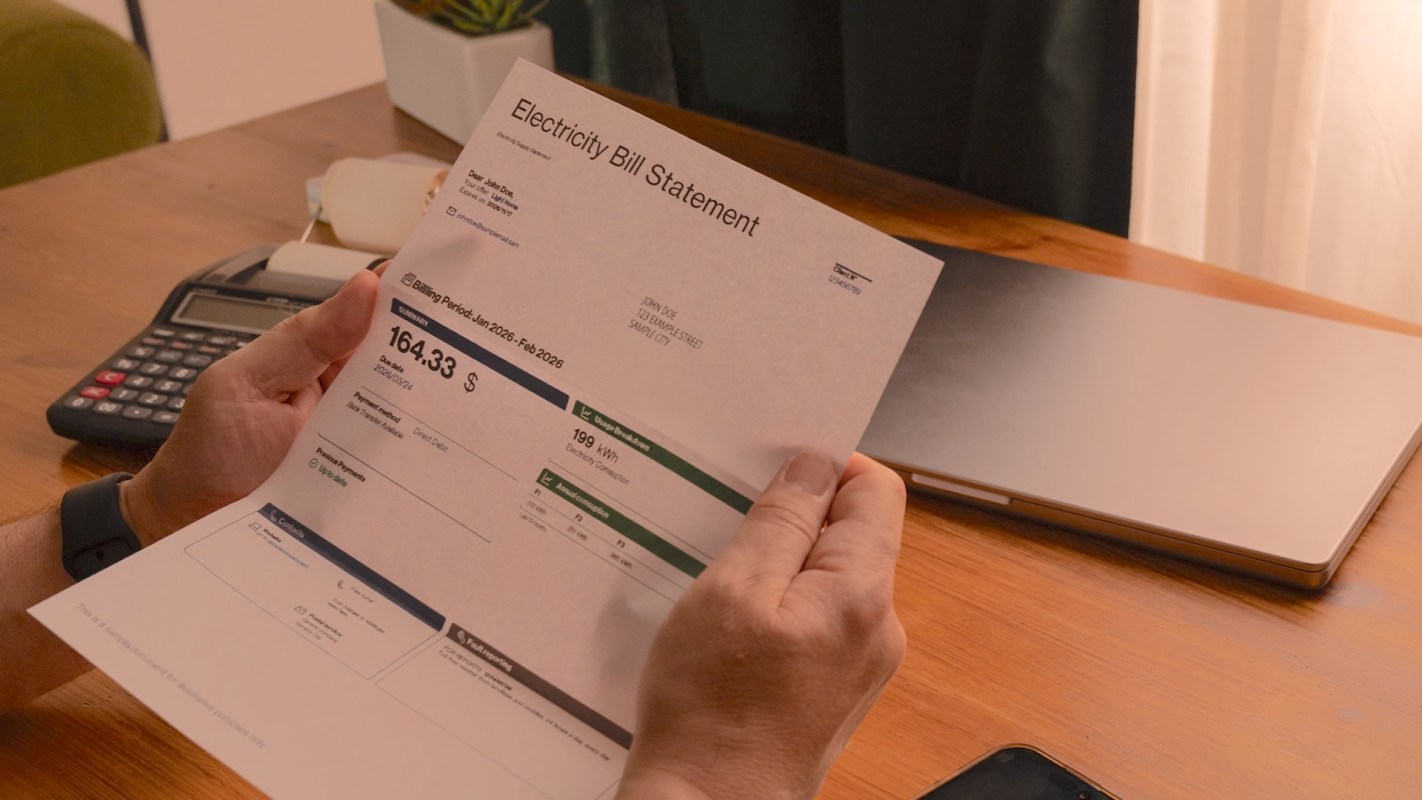
"After I got the panels on the roof, there was no drop in the bill," Love explained. "The bill was exactly the same … I went from a high electricity bill to paying a high electricity bill plus the $175 for the solar panels."
She recalled that the sales pitch depended on a federal tax benefit that she later learned she could not use because her income as a disabled veteran did not qualify.
TCD Picks » Quince Spotlight
💡These best-sellers from Quince deliver affordable, sustainable luxury for all




"The salesman said, first two years it will be $80 a month, and that would give me two years to apply the government kickback. But in actuality, that was false; I found out I was ineligible because my disabled veteran income didn't qualify," she told WKMG.
Love said it took paying to have the panels cleaned before a technician found the system had been installed improperly and wasn't working correctly.
Her loan jumped to more than $24,000 from about $16,000 after the first two years, and her monthly payment climbed to $175.
Attorney Joshua Horton said the problem often involves more than the solar equipment itself.
"They're selling not just the panels; they're selling a financial product. It's two different agreements, but it's all the same iPad [and] nobody reads the disclaimers," Horton observed.
More background
Love's debt was transferred from Mosaic Solar to Solar Servicing, which Horton said commonly happens when lenders bundle and sell debt portfolios before filing for bankruptcy.
"The debt is then sold to third-party investors who will continue to collect on the debt, despite getting none of the benefits that they were promised," he noted.
Horton cited another concern involving the UCC-1 filing attached to some solar loans.
While it is not a traditional lien, he said: "It operates as a lien. They can prevent you from refinancing, from selling your home; it clouds the title."
Love believes that filing may be one reason her house has remained on the market.
What can be done?
Love felt that the best first step was to slow down.
WKMG's consumer checklist advised readers not to sign anything the same day, to ask for system-sizing details in writing, to compare multiple companies, and to have a qualified tax professional verify whether you can truly claim any advertised federal credit.
The checklist also recommended looking into whether the agreement is a loan, a lease, or another type of contract — and whether a UCC-1 filing will be placed on the property.
Homeowners should also get warranty and service terms in writing, including what happens if the installer goes out of business.
Horton said consumers can file complaints with the Florida Attorney General's Office Consumer Division.
He also pointed out that veterans like Love may have help available through a military consumer protection organization at the Department of Agriculture, and that some homeowners may need to dispute the debt or pursue legal action.
Love's advice was direct.
"Definitely don't believe everything that the salesperson is telling you. Read up on regulations, tax credits, figure out if you're eligible, read all of the fine print and don't let them rush you."
Where can I learn more?
For more on solar sales pitches, contract terms, and bill surprises like the ones in Love's case, start with these articles. They look at zero-cost lease claims, financing misinformation, and net-metering shortfalls.
• A homeowner considering a zero-cost solar lease was warned it looked too good to be true.
• A solar expert challenged misinformation about leasing panels as homeowners sorted through savings claims.
• An Ohio homeowner learned net metering may leave much of the electric bill behind.

Get TCD's free newsletters for easy tips, smart advice, and a chance to earn $5,000 toward home upgrades. To see more stories like this one, change your Google preferences here.






