


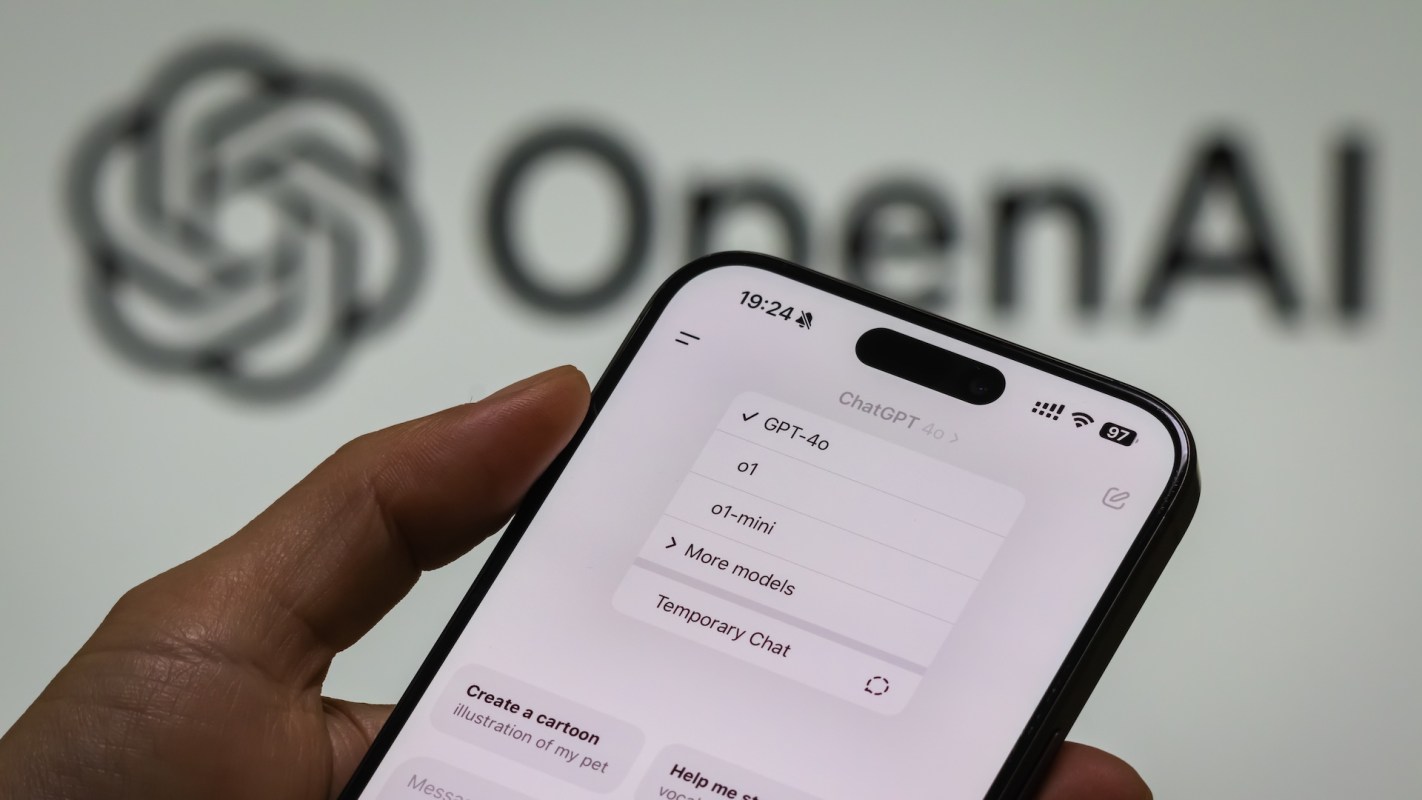
OpenAI uses large pools of human contractors to sharpen ChatGPT's responses — but reports indicate that some workers were later removed from projects for relying on AI to do the same kind of work they were assigned to monitor, as 404 Media recently revealed.
Here's what to know
According to 404 Media, several contractors on OpenAI-related assignments were fired or otherwise offboarded after using AI tools while reviewing or rating chatbot outputs.
The publication cited internal documents suggesting some of the projects involved more than 10,000 contractors.
Material reviewed by 404 Media spelled out the guidelines clearly.
"Do not use AI detection tools, or [use] AI yourself … Do not use GPTZero or any other AI detection tool. They are not reliable. Reviewers may not use AI either, including Grammarly and AI translation, to review, write feedback, or write comments."
Reviewers, three contractors told the outlet, are taught to look for markers of AI use such as repetitive phrasing, AI-style punctuation — which might include overzealous use of the em dash — and completion speeds that seem unusually fast.
TCD Picks » Quince Spotlight
💡These best-sellers from Quince deliver affordable, sustainable luxury for all




One contractor acknowledged that AI use is common, noting that "in a group of thousands there are tons that have been caught."
More background
In separate reporting, 404 Media described Project Lily, an OpenAI effort that has hundreds of contractors reviewing real ChatGPT users' prompts and conversations, including exchanges that can contain personal information.
Their job is to score and critique ChatGPT's replies, including checking that the responses are neither overly sycophantic nor anthropomorphizing ChatGPT.
The outlet also pointed to the risk of "model collapse," in which training AI further on AI-generated text can gradually worsen the models.
If AI keeps learning from AI, errors and bland patterns can compound.
One contractor told 404 Media that, in Slack channels used for peer advice, people share examples and ask whether they seem AI-generated.
"Usually the answer is yes," they added.
What's being done?
Mercor, one of the AI-training firms connected to this work, asserted that enforcement is already part of the process.
"Our experts are hired for their expertise and judgement, which is essential to the ongoing advancement of AI. Our contracts strictly prohibit the use of LLMs to complete projects and we enforce that," a company spokesperson told 404 Media.
"We invest heavily in our tools and systems to detect misuse and ensure our experts comply with project rules and contract terms," they continued. "When we confirm an expert has used AI to complete a task, we immediately remove them from the project."
OpenAI declined to comment on claims that contractors were fired for using AI at work.
One contractor who said they were terminated after using AI described the experience bluntly.
"I'm not a bad person or worker. I just needed a little boost and turned to AI to help me which eventually led to my downfall," they conceded.
Where can I learn more?
This fight over how AI gets trained fits into a broader story about work, oversight, and trust in the industry. These articles cover legal pressures on OpenAI and Microsoft, controversial ChatGPT changes, and broader fears about jobs.
• OpenAI and Microsoft were hit with a lawsuit after ChatGPT allegedly fueled a murder-suicide.
• OpenAI drew backlash after controversial changes to ChatGPT raised fears of preferential treatment.
• An expert investor warns that AI's impact on employment could be terrifying for workers.

Get TCD's free newsletters for easy tips, smart advice, and a chance to earn $5,000 toward home upgrades. To see more stories like this one, change your Google preferences here.






