


Flood crews in one Florida community are doing more than pumping out stormwater.
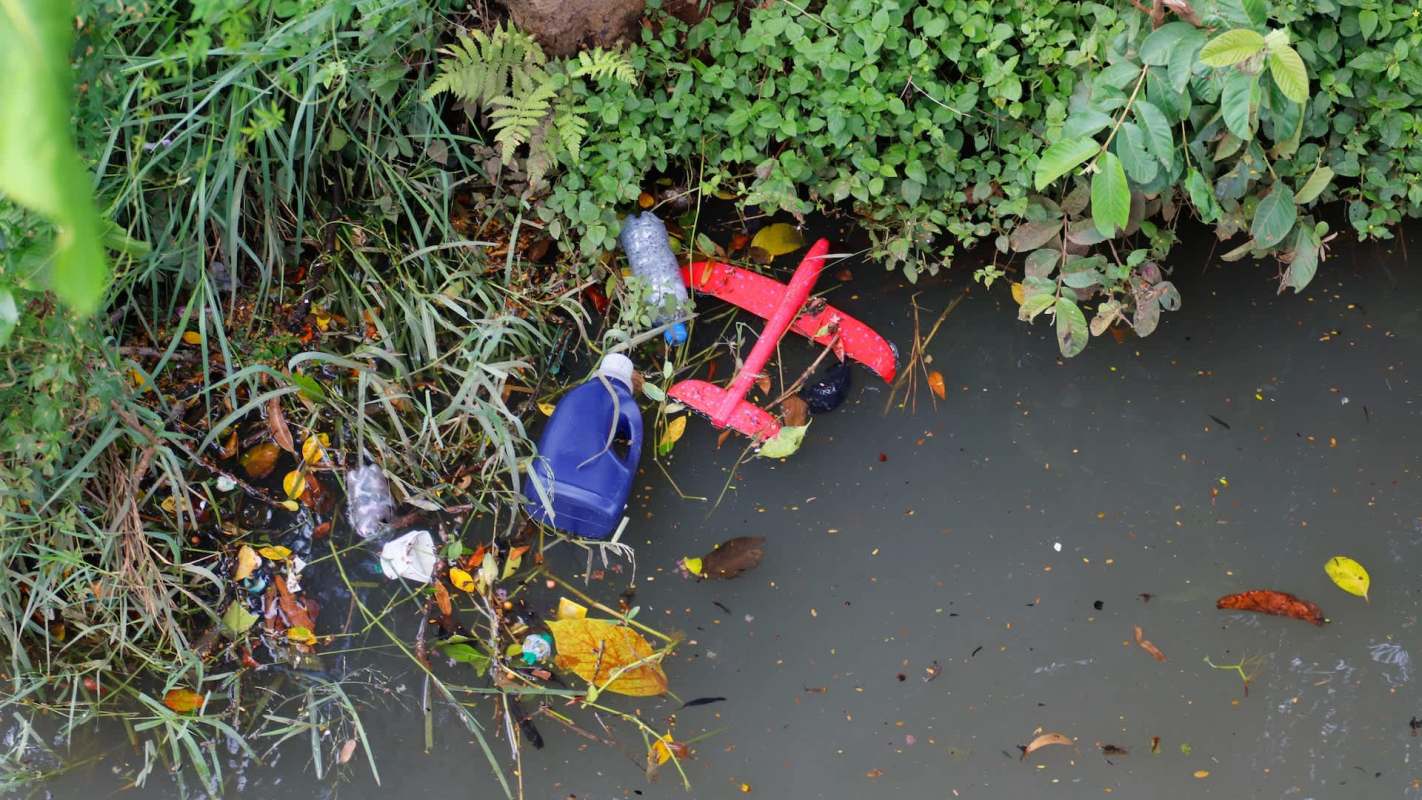
They are also pulling an unusual mix of debris — including coolers, toys, bottles, and even a full bag of softballs — from canals that residents rely on to help keep neighborhoods from flooding.
After several days of heavy rain, water remained high, and officials said blocked drainage paths were worsening the flooding, WPTV reported.
Here's what to know
In The Acreage, the Indian Trail Improvement District kept crews on the job for extended hours as they tried to lower water levels.
But Elizabeth Accomando, board president of the Indian Trail Improvement District, warned that trash and yard waste have interfered with that work even as crews continue their nonstop "pumping and dumping."
Those efforts have not yet returned the district's main impoundments to their target levels.
TCD Picks » Quince Spotlight
💡These best-sellers from Quince deliver affordable, sustainable luxury for all




"The south impoundment, we're almost a foot above where we like to be, and the north impoundment is still about almost 2 feet above where we'd like it to be," Accomando explained. "They're going to continually pump."
Among the items crews have pulled from pipes and canals were a cooler, bottles, deflated balls, toys, coconuts, and even an entire bag of softballs.
Clearing that kind of blockage takes time in a district that spans over 1,000 miles of waterways, swales, and drainage ditches across about 17,000 resident-owned lots.
"That clogs up the whole system," Accomando added. "The water backflows into people's properties, so we're up against that as well. Cleaning it out."
She noted that not every patch of standing water was outside the system's design.
According to Accomando, The Acreage was built so that individual lots would hold some rainwater, which helps replenish aquifers in a community that relies on wells.
More background
Flooded yards have prompted worries about mosquitoes.
Accomando acknowledged that large areas of standing water are hard to address and that the district cannot completely remove mosquito risk, especially when water sits for long periods.
Accomando said drainage expectations differ depending on when a property was developed: older lots were laid out with ponds and lower areas meant to absorb water, while newer construction must follow stricter drainage plans.
She indicated that trouble can follow when residents add fill or build structures without proper berms, pushing runoff onto neighboring properties.
What can be done?
While district crews keep pumping and clearing blockages, Accomando said the system also depends heavily on homeowner upkeep. She urged residents to keep swales clear and to rake up leftover vegetation after SWA pickup so it does not wash into pipes.
Accomando added that filling in ponds, removing berms, or raising one lot without planning for runoff can increase flooding for downhill neighbors.
To reduce mosquito breeding, residents can empty water from small items such as garbage can lids and plant saucers. For broader areas of standing water, Accomando recommended mosquito dunks or other larvicide products, along with protective clothing or insect repellent at dusk.
Accomando is also asking residents not to use canals as disposal sites. Even coconuts and other yard waste can obstruct drainage pipes, forcing water back onto nearby properties and slowing flood-response work.
"Please don't just disperse them into the system like this, because again, we all have to work together and be mindful of each other," Accomando said. "The things that you do today might flood your neighbor tomorrow."
Where can I learn more?
For a broader look at how flooding and storm cleanup are affecting communities in and around Florida, these articles cover dangerous canal work, hurricane relief efforts, mold risks, and flood protection recommendations.
• In Florida, contractors say fishing debris from canals during hurricane cleanup can turn dangerous fast.
• After Hurricane Idalia, the Red Cross and Feeding America mobilized across Florida to help flooded families.
• Across the South, experts warned mold could surge in homes after hurricane flooding recedes.
• During hurricane season, a Florida company executive shared flood protection methods homeowners can use before waters rise.

Get TCD's free newsletters for easy tips, smart advice, and a chance to earn $5,000 toward home upgrades. To see more stories like this one, change your Google preferences here.






