


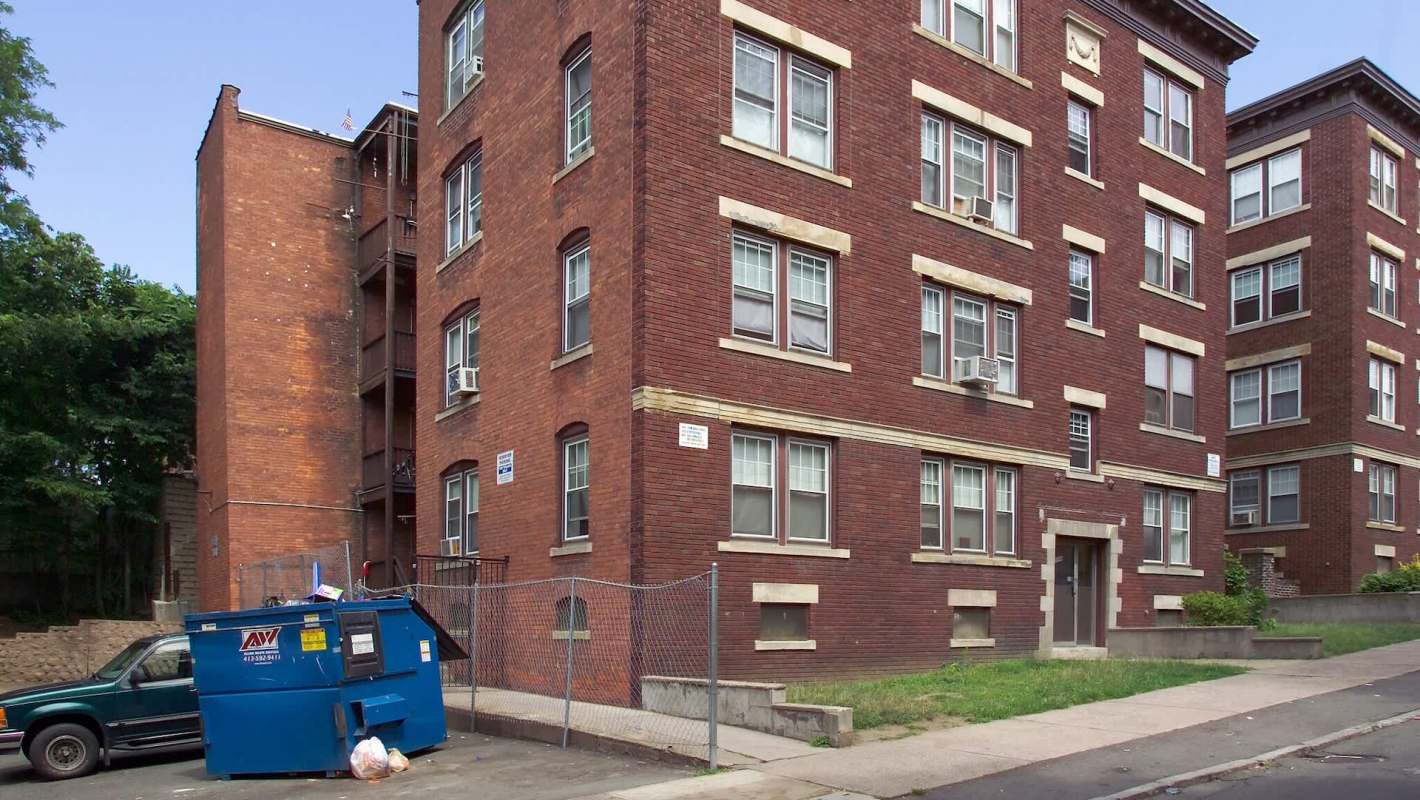
A lawsuit between Springfield Gardens and Fannie Mae over damaged Springfield apartment properties appears to be nearing its end, according to MassLive.
It could close out the last active case tied to a landlord whose tenants complained of unsafe conditions, rent disputes, and uncertainty about where help would come from.
Here's what to know
MassLive reported that Springfield Gardens and Fannie Mae filed a joint request to dismiss the case, with both sides agreeing to cover their own legal expenses.
The filing did not say why the parties wanted to end the lawsuit.
In an amended complaint filed in June 2026, Fannie Mae said it was seeking more than $2.3 million. The company alleged Springfield Gardens violated its loan agreement by failing to turn over insurance money related to fires and other damage at several apartment properties.
At one point, Springfield Gardens said its Springfield holdings totaled about 1,300 mostly low-income units across 62 buildings.
TCD Picks » Quince Spotlight
💡These best-sellers from Quince deliver affordable, sustainable luxury for all




The company had bought many of those properties in late 2020 and 2021 using a $52.5 million loan issued during the pandemic.
If the case is dismissed, the earlier attorney general settlement would remain the main remedy.
That agreement returned unpaid rent and barred the owners from managing Massachusetts real estate, and this appears to end the last lawsuit linked to the buildings.
More background
When major maintenance problems go unresolved, renters often face unsafe conditions, unexpected costs, lost belongings, and even displacement after fires.
Those risks grow when leaks, heating outages, and required inspections are left unaddressed.
Even as Springfield Gardens became one of Springfield's top taxpayers in fiscal 2022, scrutiny of its management practices kept mounting.
Tenants complained, and city officials raised concerns about conditions at several properties.
One of the buildings included in Fannie Mae's lawsuit was the Main Street property where a January 2023 fire displaced about 20 residents, per MassLive.
Springfield Gardens no longer owned any property in Springfield after selling its last one in August 2024.
What can be done?
Renters who want to work with landlords or property managers to update outdated building or community rules can start by documenting the benefits of proposed changes, organizing with neighbors, and learning how rulemaking works where they live.
For people navigating those conversations, this resource on changing HOA bylaws may help as they push for practical, money-saving updates.
At the community level, stronger code enforcement, closer oversight of large landlords, and faster responses to tenant complaints can help reduce the chances that residents are left paying the price for poor management.
The legal dispute may be ending, but the deeper concerns about tenant safety and landlord accountability remain.
As Mayor Domenic J. Sarno said after the 2023 fire, Springfield Gardens' management was "in over their head."
Where can I learn more?
Questions about who gets to make the rules at home extend well beyond Springfield Gardens. These stories follow renters and homeowners dealing with HOA demands and solar disputes.
• A renter said an HOA demanded maintenance photos before addressing a property dispute.
• In Massachusetts, a homeowner was told an HOA could not block their solar plans.
• In Nevada, a homeowner fought back after an HOA challenged a protected home renovation.

Get TCD's free newsletters for easy tips, smart advice, and a chance to earn $5,000 toward home upgrades. To see more stories like this one, change your Google preferences here.






