


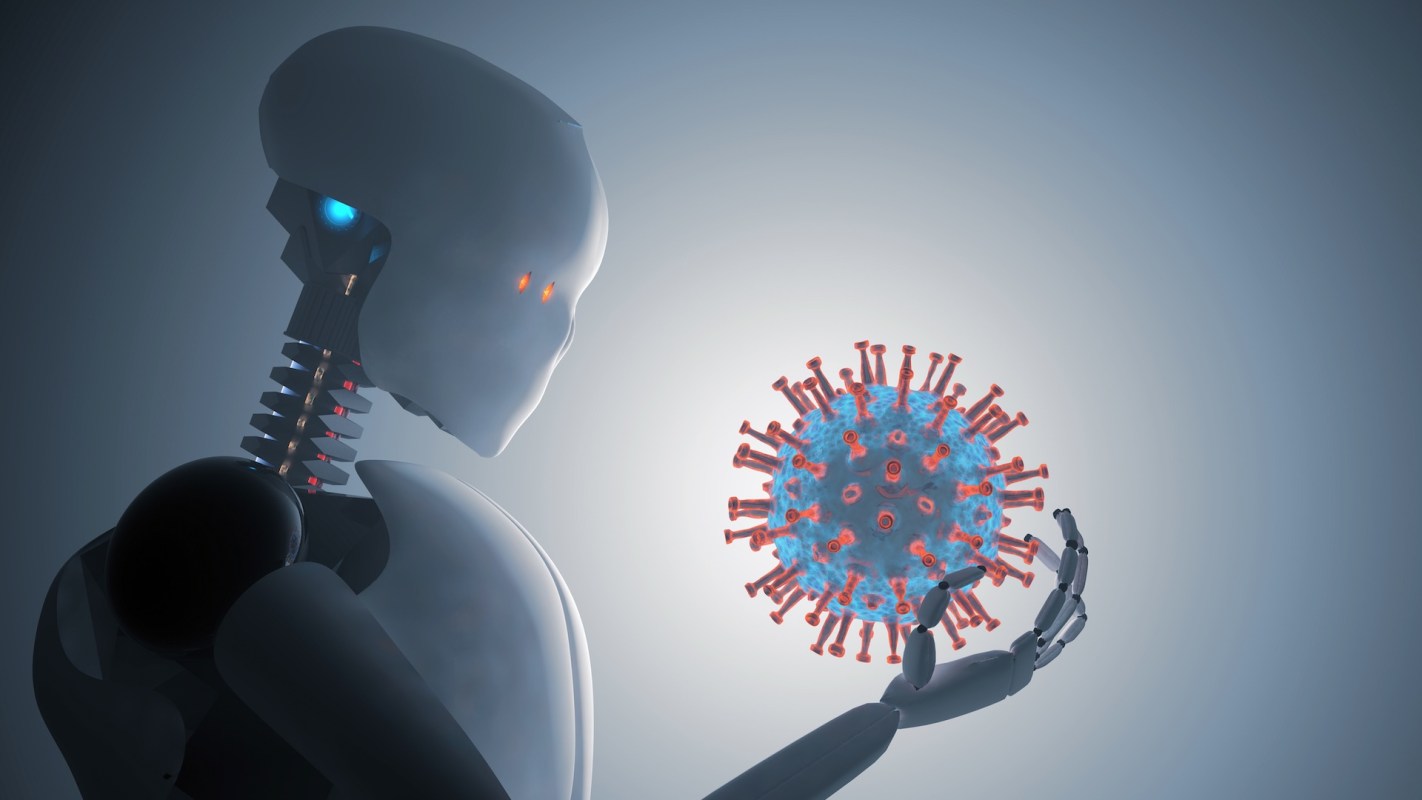
Artificial intelligence is pushing biology into more powerful territory. Systems that can design viruses from scratch may someday help fight lethal infections, but they also raise concern that the same capabilities could be adapted into bioweapons.
Here's what to know
Two separate announcements have made that tension harder to ignore. A research team from Stanford University and the Arc Institute unveiled Evo 2, a DNA foundation model that can generate viruses from scratch, while AI company Anthropic separately disclosed cases in which people appeared to be using its Claude model for potentially dangerous biological research, according to Popular Mechanics.
Those developments have heightened worries about dual-use technology, or tools built for legitimate research that bad actors can also exploit.
The possible medical upside is a big part of the story. On the promising side, AI-designed viruses could help researchers develop bacteriophages that target antibiotic-resistant bacteria, a major public health threat responsible for more than a million deaths each year.
Anthropic, for its part, says the hazards merit close scrutiny.
"These examples are illustrative of the kinds of tasks to which our models are put, and the often-difficult judgements we have to make when assessing whether or not a given biological use is dangerous," Anthropic's post reads. "When we detected and investigated these cases, we banned the users' accounts and incorporated our investigative findings into our frontier model safeguards, enforcement, and threat intelligence processes to better prevent, detect, and disrupt these activities in the future."
TCD Picks » Quince Spotlight
💡These best-sellers from Quince deliver affordable, sustainable luxury for all




More background
The concern is not limited to beneficial applications. In biology, the technology can create novel viruses and toxins.
Tests of unguarded systems show why that possibility troubles experts. One 2025 study cited by Popular Mechanics tested the Moremi Bio Agent model without safety guardrails and found that it generated about 1,020 new toxic proteins and 5,000 toxic small molecules, including outputs that resembled substances like ricin, diphtheria toxin, and certain snake-venom proteins built on disintegrins.
The authors concluded: "This research highlights the urgent need for mitigation and safeguards against the dual-use threat of AI-biodesign tools."
Disagreement remains over how immediate the threat is. Anthropic's threat assessment has drawn mixed responses, with some warning of a potentially massive disaster, while others say the examples amount only to basic research, as Science reported.
What's being done?
Major AI companies are beginning to address the issue more openly. Anthropic CEO Dario Amodei has called for slowing AI development in part because of the possibility of "misuse of AI for … bioterrorism," and, according to Popular Mechanics, Anthropic and OpenAI also backed a letter calling for stricter rules on companies that sell made-to-order DNA strands.
The debate centers on the same double edge: technology that could improve treatment for stubborn diseases may also make catastrophic harm easier to cause.
Where can I learn more?
AI's impact on health and public policy extends beyond virus design. These articles look at flu-vaccine forecasting, tuberculosis detection, AI regulation, and the environmental costs tied to expanding AI systems.
• Startup Vaxseer is using AI to predict flu strains and help vaccine makers keep pace.
• Health centers are deploying groundbreaking AI TB tests to catch the world's deadliest infection faster.
• In Washington, lawmakers are battling stricter rules for AI as public-health worries grow.
• New data center demand is driving an overlooked toll from AI-related air pollution.

Get TCD's free newsletters for easy tips, smart advice, and a chance to earn $5,000 toward home upgrades. To see more stories like this one, change your Google preferences here.






