


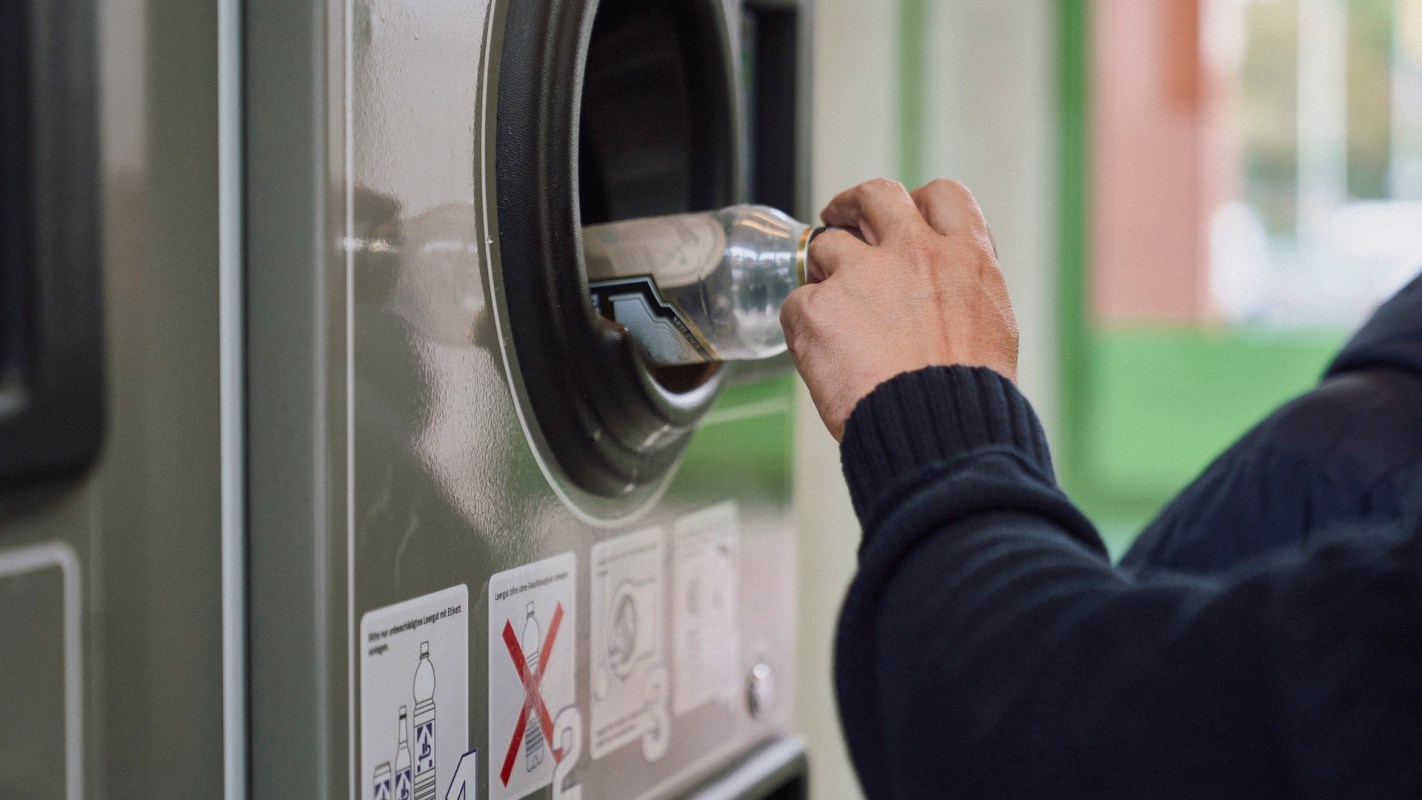
A visit to Germany left one traveler with a mistaken first impression about the country's bottle machines. What looked like people getting paid to recycle turned out to be a refund system that makes drink containers feel too valuable to simply toss.
Once they understood the deposit system, their routine shifted quickly.
Here's what to know
The original poster described the misunderstanding in the r/ZeroWaste subreddit. What seemed at first like free cash for recyclers was actually a refund arrangement, as is the case in many states in the U.S.
"You pay a 0.25 Euro deposit for the bottles and get it back when you return them," they revealed.
Because they had already budgeted for the trip, the poster said they wanted the refunds, no matter how small. Empty bottles no longer seemed like ordinary garbage, but like items with money still attached.
For one commenter raised in Germany, the system did not feel like a special lesson in sustainability so much as the default way of handling bottles. They said containers often feel like their own category there, calling the practice "a symptom of a generally more waste conscious society."
TCD Picks » Quince Spotlight
💡These best-sellers from Quince deliver affordable, sustainable luxury for all




A commenter from Michigan pointed to a visible effect of deposit laws in daily life.
"The thing I notice most is that our roadsides have considerably less litter and trash compared to how much I see when I visit other states," they shared.
In Michigan, the bottle deposit fee per bottle is 10 cents, whereas most states have no fee or just a 5-cent fee. Compared to Germany, though, 10 cents is still a small total, whereas in Germany, just four bottles would get you to a full euro, which is currently equivalent to about $1.15.
More background
Nobody in the thread suggested that bottle deposits erase the wider packaging problem. Even so, several commenters said the refund habit becomes routine very fast, and the German commenter said it was shocking to discover that bottles are simply discarded in other places.
The conversation also brought in examples from Canada, Oregon, Prague, and others. In Prague, one commenter said Albert supermarkets have a machine that prints a receipt for a grocery discount when bottles are returned.
People also described broader sorting systems that separate materials such as glass, paper, cardboard, metal, plastic, organics, and leftover trash, backed by laws and local rules that in some places make sorting mandatory.
Taken together, those approaches can contribute to cleaner streets, less litter, and a stronger message that some waste still carries value. They may also offer a modest source of income for people who collect refundable containers.
What can be done?
Refund programs are not a full solution to plastic waste, but they do offer a practical way to keep bottles and cans out of public spaces and landfills.
Another practice mentioned in the discussion was placing containers beside public trash cans instead of dropping them inside, so someone else who may need the money more can collect the rebate.
The thread suggested that these systems are strongest when they include easy returns, clear sorting expectations, and wider packaging rules that make waste harder to overlook.
Some commenters also said the system can influence what people buy, encouraging them to cut back on single-use drinks.
"I live somewhere where certain bottles have the deposit return," a user revealed. "I just significantly reduced the number of individual single use plastic, glass and metal bottles I buy."
Where can I learn more?
Bottle returns and refund schemes can lead to a major reduction in waste, just as the original poster observed in Germany. The nation's culture of minimizing waste also isn't limited to bottles.
• In Australia, a game-changing new policy is pushing grocery stores toward cash-back bottle returns.
• In Tasmania, residents returned over 1 million cans in four days through a new refund scheme.
• In Germany, neighborhood "free to take" boxes keep unwanted items circulating instead of being trashed.

Get TCD's free newsletters for easy tips, smart advice, and a chance to earn $5,000 toward home upgrades. To see more stories like this one, change your Google preferences here.






