


A discussion among self-sufficiency enthusiasts on Reddit suggests that the most effective money-saving habits are often not flashy home upgrades or major lifestyle overhauls, but smaller, repeatable skills that steadily chip away at everyday spending.
Here's what to know
In a discussion on the site's r/SelfSufficiency forum, the original poster asked others, "What's the boring skill that's saved you the most money?"
The OP requested that people skip the usual big-ticket answers: "Not the big stuff like buying land or putting in solar. I mean the little thing you learned that didn't seem like a huge deal at the time and then a year later you realized you barely pay for it anymore."
As OP put it, "The expensive projects get most of the attention but the boring skills are probably where a lot of the actual day to day savings happen."
A lot of the discussion centered on routine household decisions, and cooking was by far the answer that surfaced most often.
Commenters pointed to the value of making a real meal from whatever is already on hand instead of defaulting to takeout or a store run because just one ingredient is missing.
TCD Picks » Quince Spotlight
💡These best-sellers from Quince deliver affordable, sustainable luxury for all




One wrote: "Cooking. I watch a lot of 'Chopped' and it's upped my game significantly when I don't have a lot of ingredients to choose from."
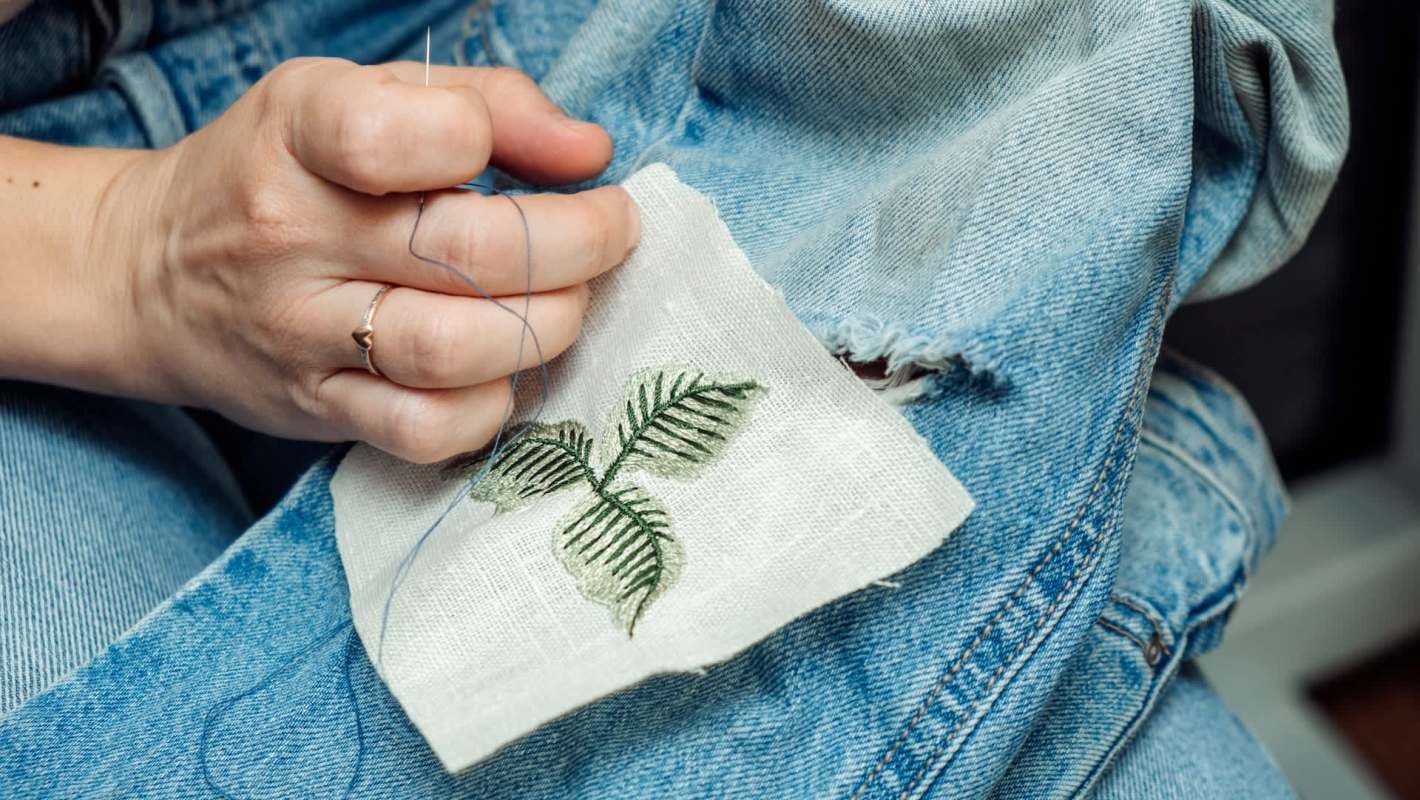
Beyond cooking, people mentioned practical skills, including fixing clothes, sharpening tools, preserving food, starting plants from seed, handling basic car tasks, and propagating plants so they don't need to be repurchased.
More background
Not everyone can buy property, remodel a home, or invest in expensive solar equipment. But many people can learn to cook more confidently, mend a shirt, or keep plants alive long enough to multiply them.
And many recurring costs grow out of ordinary routines. A single takeout meal, a replaced tool, or a thrown-out garment may not seem like an enormous expense in the moment, but repeated over months, those habits can become costly. The opposite is also true. Modest savings, repeated again and again, can add up in a meaningful way.
The appeal of these "boring" skills was not purely financial. One commenter tied these habits to day-to-day quality of life, health, and relationships, describing a shared cooking rhythm with their spouse and alternating kitchen duties so one person is not stuck doing it every night, writing, "We eat better at home than most restaurants."
Where can I learn more?
These stories explore the same self-sufficiency theme from a few different angles.
• Off-grid homeowners say meal planning and battery discipline help stretch tight household budgets.
• In Ireland, more ordinary people are learning to live off-grid through survival courses.
• Homeowners say there is a lot to learn before going off-grid with solar.

Get TCD's free newsletters for easy tips, smart advice, and a chance to earn $5,000 toward home upgrades. To see more stories like this one, change your Google preferences here.






