


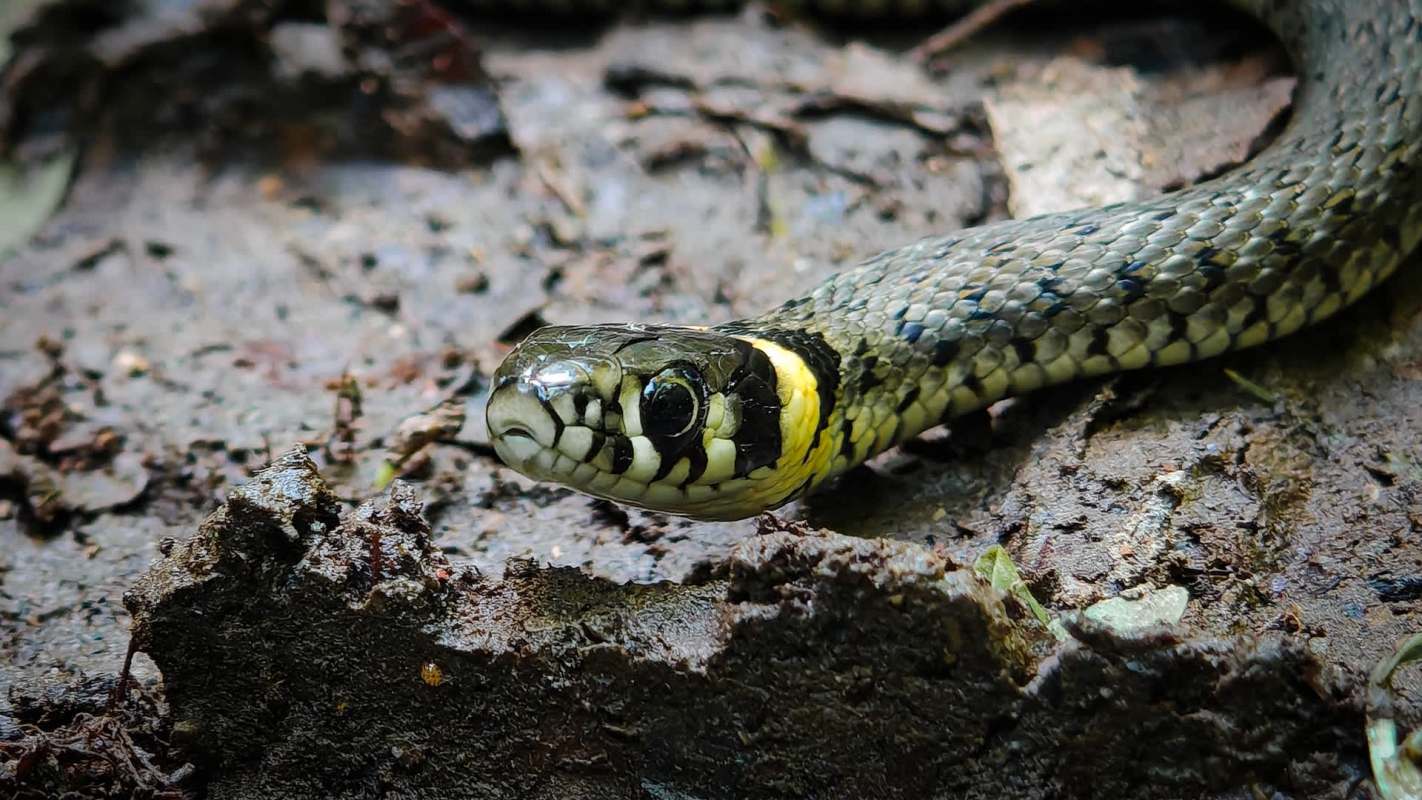
Residents in Wrexham had two separate snake encounters in residential areas on Sept. 1, with the sightings coming just hours apart and drawing both curiosity and worry from locals.
One of the animals was a grass snake, the largest snake species native to Britain, while the other was a Mexican black kingsnake, an exotic pet that had apparently escaped from its home, according to the Daily Post.
Here's what to know
On Rhosrobin Road in New Rhosrobin, near Gwersyllt, Wrexham resident Christina Holmes spotted what was identified as a common grass snake. She chose to leave it alone.
Though they can grow to about 1.5 meters (5 feet), grass snakes are not considered dangerous to humans.
The North Wales Wildlife Trust describes them as "born to swim, not to bite," and notes that they feed on frogs, toads, newts, and small fish or mice.
Later on Sept. 1, another snake turned up about a third of a mile away on Smithy Lane.
TCD Picks » Quince Spotlight
💡These best-sellers from Quince deliver affordable, sustainable luxury for all




Reptile enthusiasts quickly identified it online as a juvenile Mexican black kingsnake, a species native to parts of Arizona, California, and Mexico that is commonly kept as a pet.
Reptile Cymru indicated that the species "have a reputation for being a bit feisty," though it is not venomous.
More background
The two sightings likely had different explanations.
The kingsnake was almost certainly an escaped pet, while the grass snake was found on a pavement in a built-up area rather than farther into wetland or grassland habitat.
Grass snakes are usually shy and tend to rely on defense tactics such as hissing, playing dead, or releasing a malodorous secretion if handled.
Locals reacted to the incidents on social media.
"I'd be at the airport if I seen that!" one person wrote.
"Omg I'd be gone, Lucy has left the building!" another commenter replied.
Native grass snakes can support gardens and local biodiversity by preying on other small animals, and their gradually declining numbers make sightings notable from a conservation standpoint.
What can be done?
If the snake is native, the best response is often to keep a safe distance and let it continue on its way.
Trying to handle wild snakes can trigger defensive behavior, even if the species is harmless.
For escaped exotic pets, quick local action can make a major difference. In this case, Ian Reeves used a bucket to contain the juvenile kingsnake so it could not travel farther, then posted an online appeal.
The snake was taken to Wrexham's Waterways Garden Centre for temporary care until a nearby Little Acton woman who had lost a black snake got in touch.
When exotic animals escape, they can end up on roads, in gardens, or near neighbors who may not know whether the animal poses a threat.
"Hope it finds its way home for his sake — and mine," another local woman said in response to the social media post.
Where can I learn more?
Snake sightings often show how invasive reptiles can alarm residents and turn up in unexpected places. The stories below follow snakes as they spread through parks, neighborhoods, and even homes.
• In Spain, researchers confirmed the first sighting of an invasive snake in a park, raising ecological alarms.
• On the Balearic Islands, horseshoe snakes spread rapidly, threatening native wildlife already under pressure.
• In Florida, firefighters made alarming discoveries in homes as Burmese pythons spread farther.
• Also in Florida, rescuers filmed a giant snake nest in an unexpected location.

Get TCD's free newsletters for easy tips, smart advice, and a chance to earn $5,000 toward home upgrades. To see more stories like this one, change your Google preferences here.







