


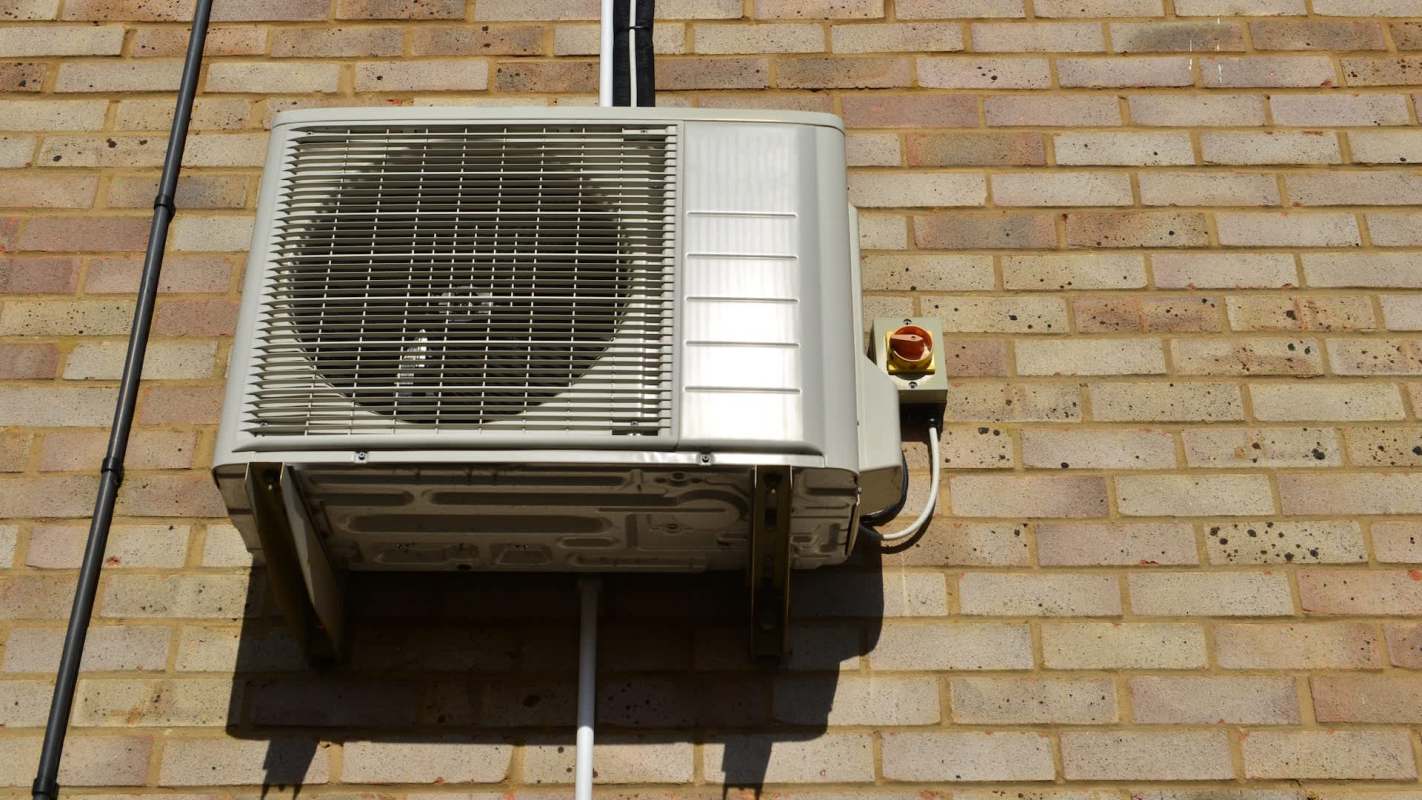
Heat pumps have long faced criticism over their upfront cost, even as they offer lower pollution and more consistent home comfort. But one U.K. homeowner said a shift in energy pricing could finally make them a more compelling financial choice for households weighing whether to replace a heating system.
Here's what to know
Tom Bray, an engineer who posts on YouTube, said in a video that the newest U.K. energy price cap could make heat pumps cheaper to run than gas boilers in many everyday cases.
Under the cap that took effect Oct. 1, Bray noted, electricity is priced at 26.32 pence per kilowatt-hour, while gas comes in at 7.97 pence. Put another way, each unit of electricity costs roughly 3.3 times as much as gas, a ratio he treated as central to the boiler-versus-heat-pump comparison.
From there, he compared gas boilers operating at 80% to 95% efficiency with heat pumps delivering 280% to 375% performance. On that spread, Bray said only a lower-performing heat pump matched with a highly efficient gas boiler came out behind; "In every other scenario, a heat pump now wins."
Bray said that for a household using 12,000 kilowatt-hours of heat per year, annual heating costs would land at about £842 to £1,128 with a heat pump and about £1,006 to £1,195 with gas. "At best, a heat pump could be nearly 30% cheaper to run," he said.
If you're considering a similar upgrade, Palmetto can help homeowners understand their HVAC options and slash their energy bills with new, efficient HVACs and heat pumps. Its Comfort Plan network can also help connect homeowners with vetted installers.
More background
He also cautioned that lower operating costs do not automatically mean a quick return on the installation itself. In the video, Bray said many homes could still face about £6,000 in upfront costs after grants, and one sample calculation produced a payback period of around 17 years.
Bray said the economics improve further when a heat pump is used alongside time-based electricity tariffs, rooftop solar, or battery storage. He added that his average electricity price over the previous 12 months on Octopus Agile was 17.5 pence per kilowatt-hour, further lowering his projected heat pump heating costs.
Save $10,000 on solar panels without even sharing your phone number Want to go solar but not sure who to trust? EnergySage has your back with free and transparent quotes from fully vetted providers in your area. To get started, just answer a few questions about your home — no phone number required. Within a day or two, EnergySage will email you the best options for your needs, and their expert advisers can help you compare quotes and pick a winner. Solar panels can save you more than $50k over their 25-year lifespan, and EnergySage can help you save as much as $10k on installation. Which begs the question — isn't that worth an email or two? |

People in the comments shared similar experiences. One said, "Our bills went from £1600/yr to £350."
Another added, "Using the Cosy tariff, my heating bills reduced by about £30 a month."
On emissions, Bray said delivering 12,000 kilowatt-hours of heat with a heat pump instead of a gas boiler could cut carbon pollution by 1.7 to 2.3 tons — or "around 80% lower on average" — with even larger reductions possible as the electricity grid gets cleaner.
What can be done?
Looking into efficient electric heating is becoming increasingly worthwhile, especially if your current system is aging or fuel bills keep climbing.
Palmetto's Comfort Plan is an option for people not ready to spend up front: It includes $0-down options that can lower your heating and cooling costs by up to 50%, and it includes 12 years of free maintenance.
Homeowners can also pair solar panels with electric appliances, like efficient HVACs, to drive their utility costs even lower. EnergySage makes it easy to find the best solar system and installer for your home and budget, saving you up to $10,000 on installations.
Where can I learn more?
These stories dig into the same question raised here: When do heat pumps beat gas on cost and practicality? They look at a U.K. homeowner's installation, Europe-wide boiler comparisons, rising gas bills in Pennsylvania, and the incentives and savings shaping upgrades.
• One U.K. homeowner chased a 400%-efficient heat pump and ran into the messy realities of installation.
• Across Europe, the IEA says heat pumps are cheaper than gas boilers in most countries.
• In Pennsylvania, a steep gas utility increase could make heat pumps the cheaper option for many homes.
• A new policy could offer up to $8,000 for heat pumps, already spreading to 300,000 homes.

Get TCD's free newsletters for easy tips, smart advice, and a chance to earn $5,000 toward home upgrades. To see more stories like this one, change your Google preferences here.






