


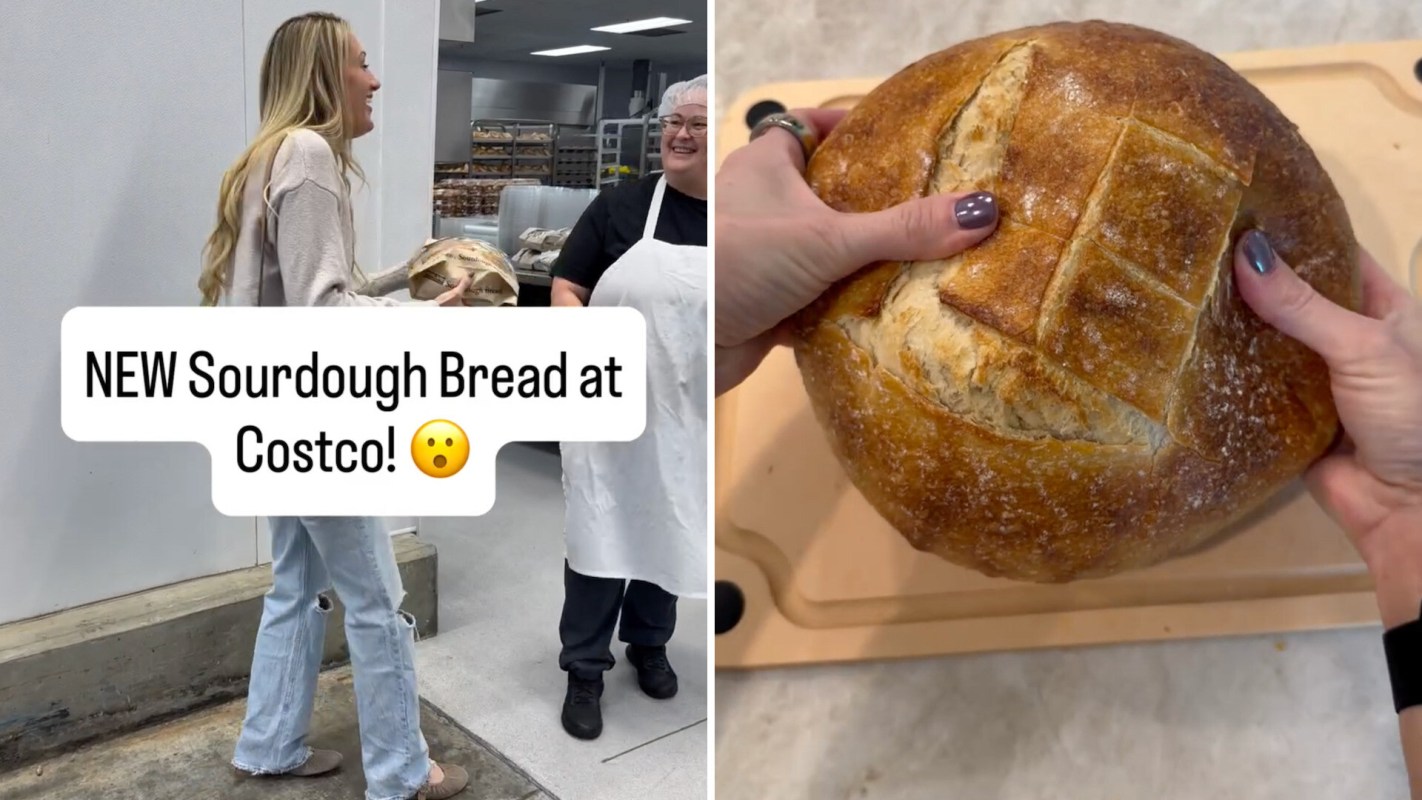
A new Costco bakery loaf is getting plenty of attention online, and the discussion is focused less on serving suggestions than on what the bread should actually be called.
Much of the reaction comes from bakers and bread fans who do not think Costco's new "sourdough" fits the label.
Here's what to know
Attention on the loaf grew after Laura Jayne Lamb (@costcohotfinds) posted about it on Instagram. As The Takeout reported, the account described the bread as tasting good, weighing close to 2 pounds, and being "chewy in the best way."
In the replies, though, the tone quickly shifted. Critics said the ingredient list does not line up with what they consider a traditional sourdough loaf. Many argued that true sourdough should contain only flour, water, and salt, and said the inclusion of yeast made this loaf feel more like standard yeast bread.
Commenters also flagged enriched flour and artificial ingredients, saying those details made the bread seem more commercial than artisanal. Some added that the loaf's crumb looked tighter than what they associate with genuine sourdough, which they expect to have larger air pockets and a more open interior.
More background
Sourdough is often seen as a product of time and technique, not just a type of bread. Because it depends on a starter and can take days to make, some bakers view mass-market versions as diminishing the labor and skill involved in making the real thing.
TCD Picks » Quince Spotlight
💡These best-sellers from Quince deliver affordable, sustainable luxury for all




One commenter captured that frustration bluntly: "Go support a local baker instead."
Some people specifically seek out sourdough as a better fit for dietary needs, including for those watching sugar intake or dealing with yeast sensitivity.
Some commenters viewed the loaf as a misrepresentation rather than a harmless shortcut. One commenter even suggested filing a class-action lawsuit.
What can be done?
For shoppers, the clearest step is to look beyond the front label and read the ingredient list before buying, especially if a product is being chosen for digestive or dietary reasons. Marketing language can shape expectations, but the ingredients panel usually provides a fuller picture.
Consumers who want traditional sourdough may also want to buy from local bakeries or ask stores how their loaves are made before purchasing. That can help support smaller businesses while reducing the odds of buying a product that does not meet artisan standards.
When large companies rely on familiar terms without meeting customer expectations, shoppers are left to sort through the confusion on their own.

Get TCD's free newsletters for easy tips, smart advice, and a chance to earn $5,000 toward home upgrades. To see more stories like this one, change your Google preferences here.







