


A trip to a home improvement store, a stop at the gas station, and a grocery run left one retiree staring at prices that no longer resemble the world they remember budgeting for.
Their frustration led them to ask Reddit's r/Retirement forum, "How do you mentally accept the inflated prices from every direction?"
Here's what to know
In a Reddit post, the original poster pointed to a series of examples that made the increases feel impossible to ignore.
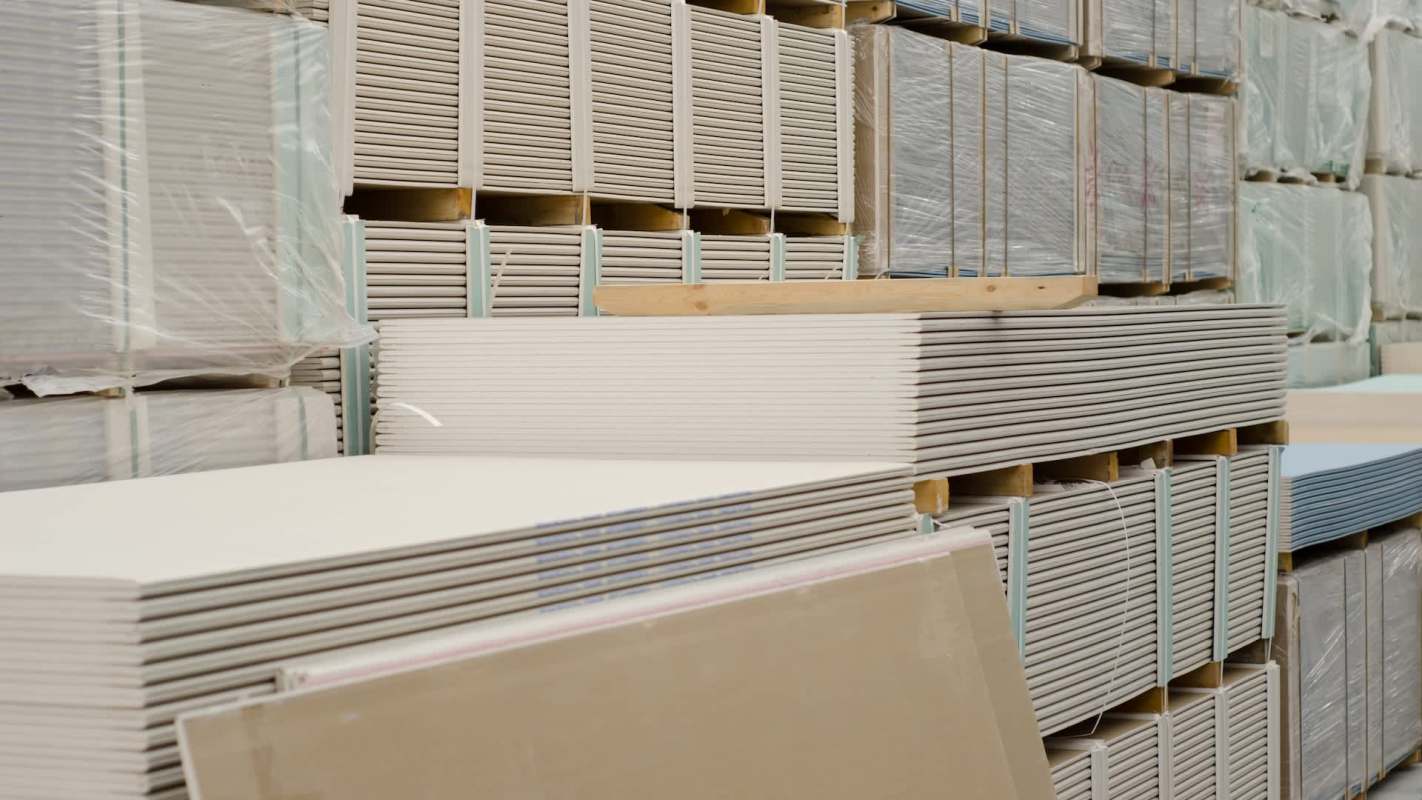
Gas had reached $5 a gallon, a tire pump cost $1 for three minutes of air, and even soup and candy bars felt priced far above what they expected. The OP also said building supplies had surged, with drywall rising from $2.99 a sheet to $26 and a 25-foot roll of 12/3 wire going from about $15-$18 to $96.
The OP wrote, "I just feel like I'm being gouged left and right."
Most of the responses avoided politics and instead focused on what inflation looks like during retirement, when fixed incomes or tighter budgets can make surprise costs especially hard to absorb.
TCD Picks » Quince Spotlight
💡These best-sellers from Quince deliver affordable, sustainable luxury for all




Some replies also said those prices depend heavily on location. One person wrote, "That sheet is $14 here. Years ago it was $11," while another added, "Pricing must be regional, a sheet of drywall is $13 here."
For one commenter, the impact showed up in the constant calculations that come with travel, when they wrote, "Can we wait until TN to fill up the gas tank where it is cheaper? Would a flight have been cheaper in the end?"
This commenter also added, "As I look at my non-discretionary costs, I remember my grandmother. She grew up in the depression and was a young adult that endured the rations of WWII. She would say, 'Use it up, wear it out, make do, or do without.'"
A few people said retirement can ease some of the pressure because spending often falls over time. One commenter wrote, "My retirement income is looking OK because my expenses have gone way down in retirement." They added that they only fill up the car a couple of times a year, do not need more clothes, and spend time on low-cost hobbies such as chess and Go.
What can be done?
The practical advice in the thread focused less on expecting prices to fall and more on adjusting to what you can and can't control. For some, that includes picking up useful skills rather than paying for every service.
Others highlighted habits that still offer value without adding much cost. One person wrote, "Hiking trails in the park are still free. I go hiking with my pup almost every day. It costs nothing but is worth so much!"
Taken together, the suggestions centered on modest shifts, like driving less, checking prices between stores or regions, and choosing hobbies that do not require regular spending, as part of a larger change in outlook.
Where can I learn more?
That frustration over everyday prices is showing up far beyond one Reddit thread.
• Across the U.S., groceries and gas strain budgets for 95% of Americans facing an affordability crisis.
• Across the country, rising costs for basics now feel poised to get even worse.
• Heightened grocery store costs often start on the farm.

Get TCD's free newsletters for easy tips, smart advice, and a chance to earn $5,000 toward home upgrades. To see more stories like this one, change your Google preferences here.






