


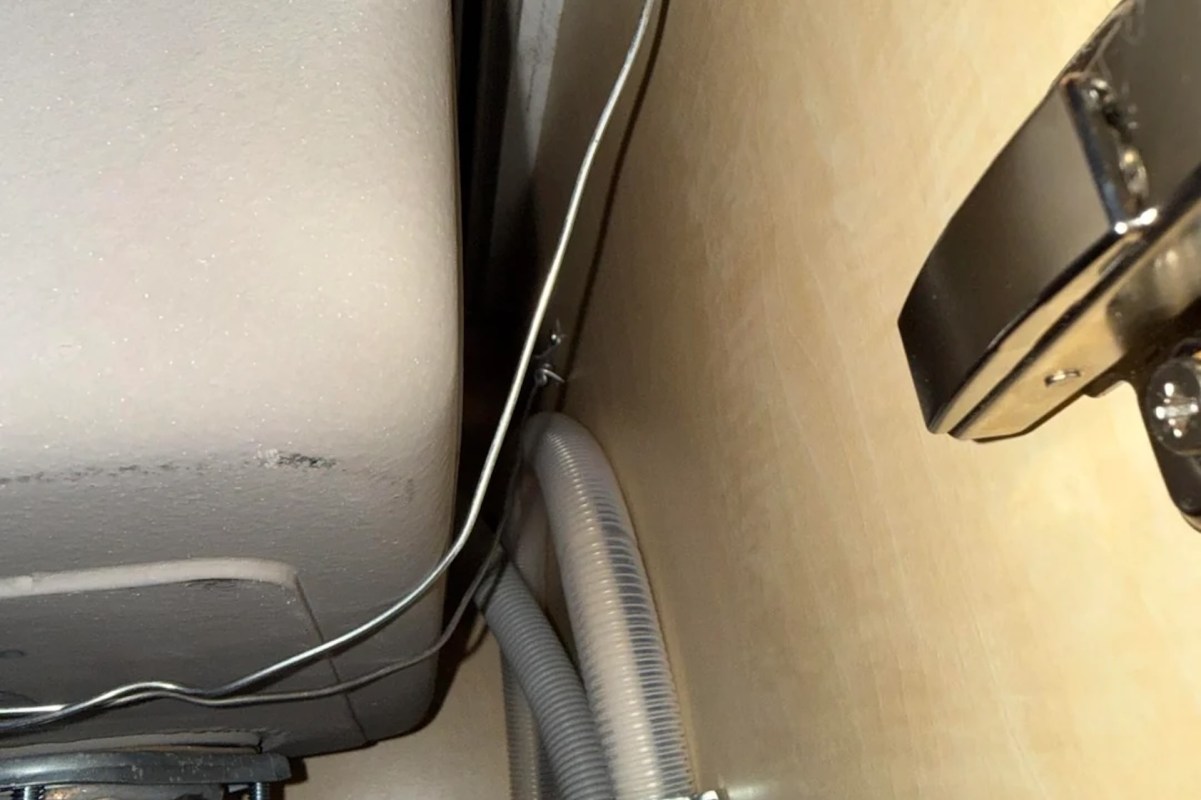
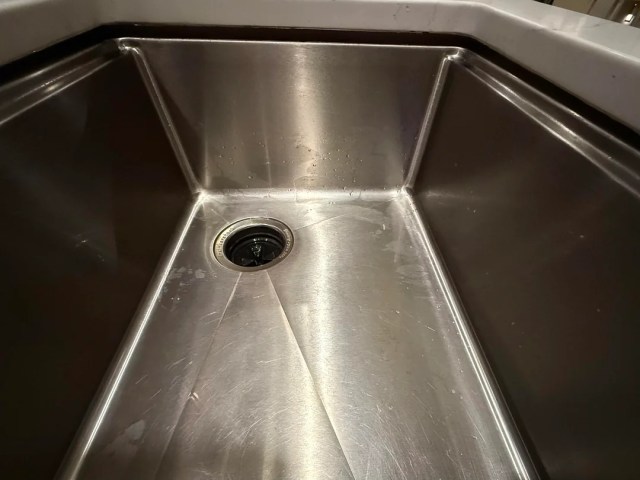
A homeowner's late-night kitchen surprise has struck a nerve online after their undermount sink detached from the countertop and dropped into the cabinet below, raising concerns that bathroom sinks installed around the same time could be at risk too.
Here's what to know
In a Reddit post, the OP said, "Had this sink installed ~2 years ago with new cabinets and counters. It randomly dropped overnight - luckily not with a full sink of dishes or water."
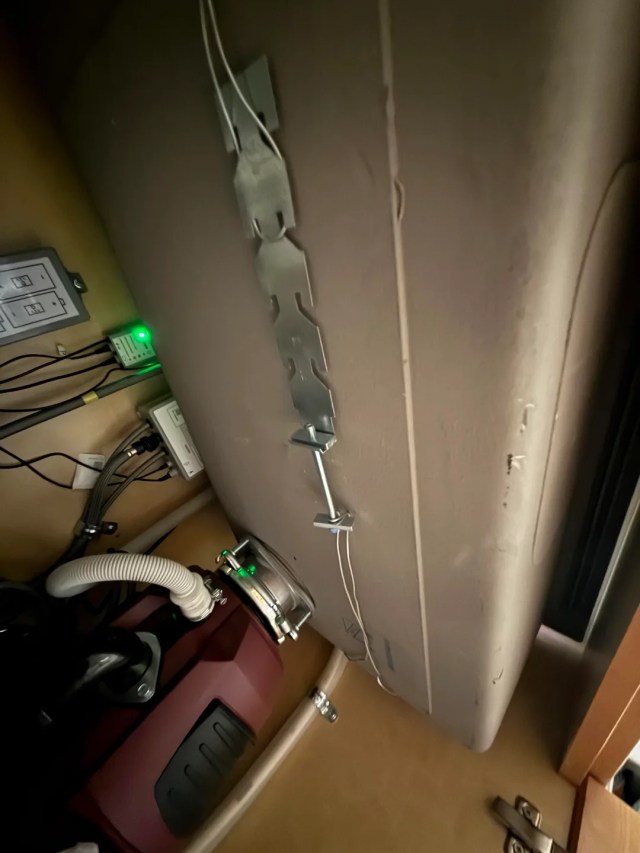
After looking under the counter, the homeowner said the sink appeared to be held by little more than adhesive and wires, which made them question whether it had ever been mounted correctly. They added that the original installer was coming back, but they were unsure whether the repair would be any more secure than the first installation.
Users were nearly unanimous in their reaction, with many saying the setup did not look right. One user said, "I've always seen a bunch of retainer clips on the underside of the counter overlapping onto the ridge of the undermount sink. It looks like the install was incomplete."
If a sink gives way while full of water, dishes, or cleaning products, it can damage plumbing, warp cabinetry, and create repair costs far greater than installing proper supports from the outset.
More background
Undermount sinks are popular because they offer a clean look and make it easier to wipe debris directly off the countertop. But because the mounting hardware is hidden, a weak installation can go unnoticed until the adhesive eventually fails.
TCD Picks » Quince Spotlight
💡These best-sellers from Quince deliver affordable, sustainable luxury for all




One of the more detailed replies blamed a setup that depended too heavily on sealant and not enough on structural support.
A user who said they had repaired many similar failures explained, "Installers don't realize that silicone doesn't stick to stainless steel."
If one kitchen sink was installed with too little support, the other bathroom sinks may also be worth checking, particularly if they show sagging, gaps, or movement when pressure is applied.
Catching the issue early can save money by helping homeowners avoid emergency reinstall labor, water-damage cleanup, replacement cabinetry, and even cracked plumbing connections. It can also keep a relatively minor installation issue from escalating into a full fixture replacement.
What can be done?
The first step is a visual inspection. Look underneath undermount sinks for clips, brackets, or wood cleats that actually support the basin, rather than assuming adhesive alone is enough.
Because one sink had already failed, users urged the homeowner to check every undermount sink in the house and get clear details on how the fix would be done this time.
One user said, "Go on Amazon and search for 'Undermount Sink Brackets.'"
Beyond brackets, users also suggested adding a more substantial support system underneath.
A user noted, "Can always build a box under the sink for additional support," while another described removing the old adhesive, resealing the sink, and installing side cleats to keep it in place.
Where can I learn more?
If a dropped sink has you thinking about what else can go wrong under the cabinet, these stories cover other common sink issues homeowners can catch early. They include practical fixes for clogs, leaks, odors, and slow drains in kitchens and bathrooms.
• A homecare expert recommended preventing clogs and odors before pipe problems spread under the sink.
• One dad showed homeowners how to stop wasted water from a leaking sink valve.
• A plumber said clearing a blocked kitchen sink can spare homeowners an unnecessary service call.
• A plumber shared a simple faucet-flow fix that takes less than a minute.

Get TCD's free newsletters for easy tips, smart advice, and a chance to earn $5,000 toward home upgrades. To see more stories like this one, change your Google preferences here.






