


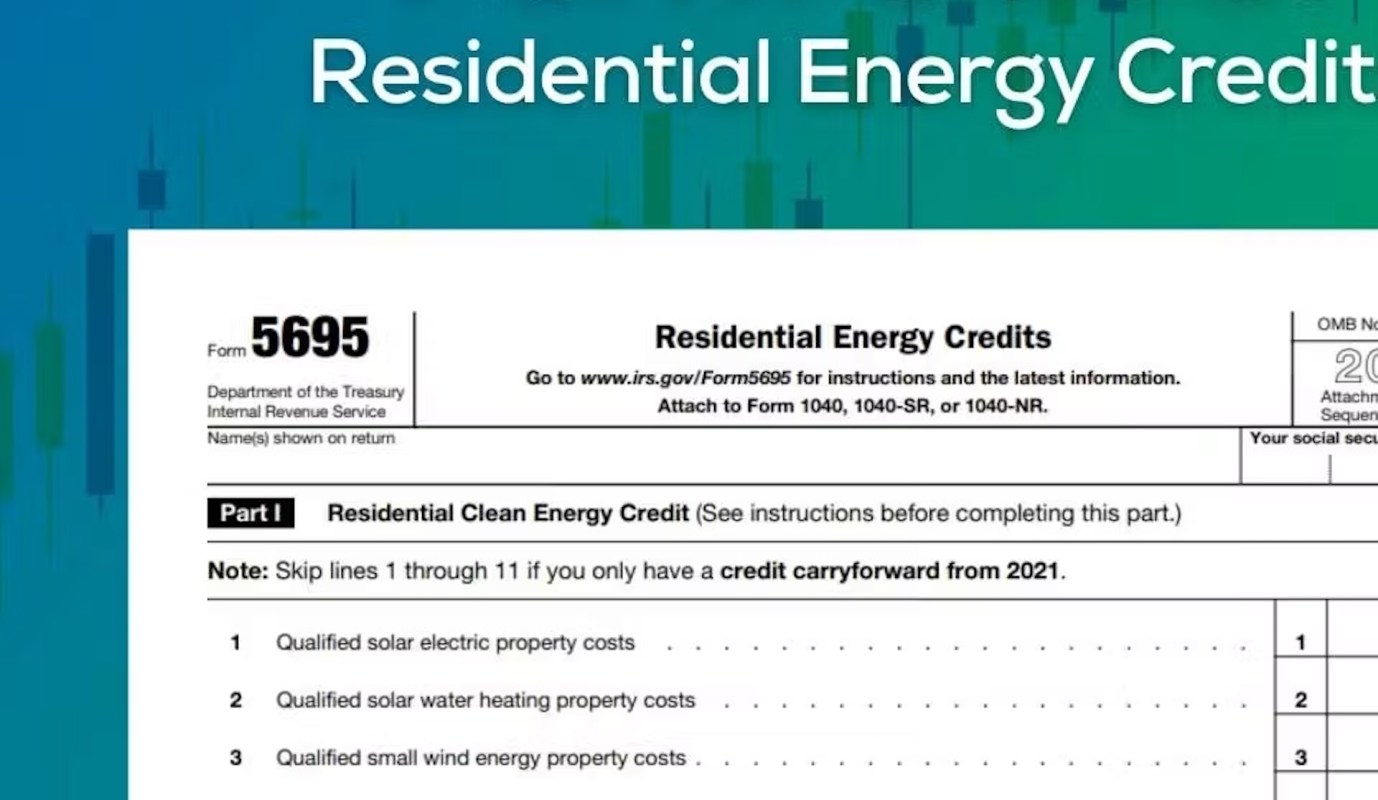
After a Colorado homeowner spent about $100,000 on a Tesla solar roof and two Powerwalls, the IRS demanded a mysterious "certificate" and let a roughly $30,000 residential clean-energy credit dispute grow to more than $50,000 with interest and penalties.
Here's what to know
In a Reddit thread, the homeowner said they took the residential clean-energy credit on their 2022 taxes and were first contacted by the IRS in 2024. They said they then sent around 100 pages of material, including receipts, permits, contracts, serial numbers, installation photos, and payment records, but the agency kept focusing on a missing "certificate."
They said neither Tesla nor the installer recognized the document the IRS wanted. "To be clear this documentation certainly [exists]," one commenter explained. But according to the homeowner, different IRS agents offered different explanations, sometimes suggesting it might be a Colorado permit or license connected to the work, and other times saying it could be a secretary-of-state certificate of good standing.
They also said the IRS threatened a levy in 2026 and transferred the matter to its "Reconsideration Department."
More background
Others in the thread suggested the issue was not unique. One commenter wrote, "Well you're not the only one the IRS is hassling, asking for certification." Another said they had turned in similar paperwork and were also hearing inconsistent explanations about what counted.
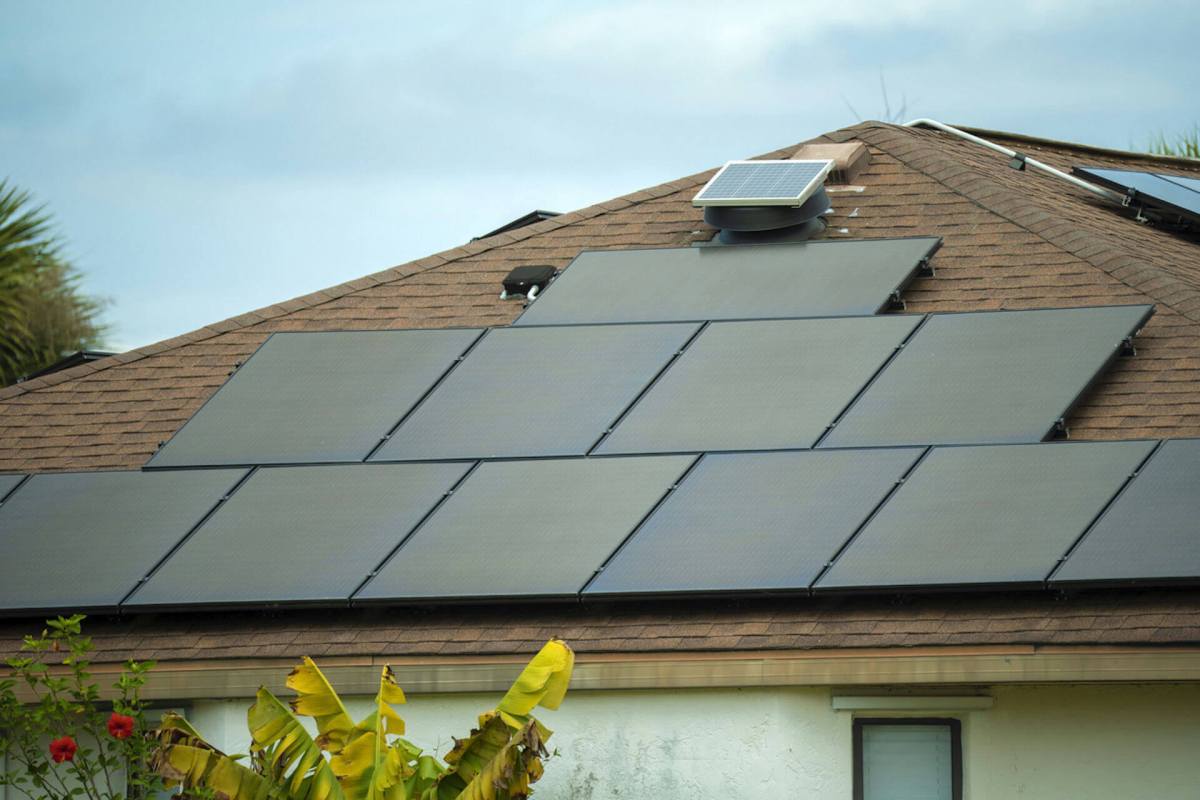
Rooftop solar and battery systems can reduce reliance on costly grid power, cut pollution, and improve household resilience. Despite these benefits, the upfront cost can quickly deter homeowners. Families making major clean-energy upgrades often do so expecting lower utility bills, and federal and local incentives can help tremendously in offsetting the upfront cost.
The frustration in the thread was clear. "None of this makes sense," the original poster wrote.
What can be done?
If you're claiming a credit tied to a project like this, it may help to keep every related record: contracts, invoices, permits, product specifications, serial numbers, screenshots, and written statements about tax-credit eligibility. If the IRS does raise questions, working with a tax professional may also be worth considering. As one commenter asked, "Do you have a tax lawyer? Might be time…"
Save $10,000 on solar panels without even sharing your phone number Want to go solar but not sure who to trust? EnergySage has your back with free and transparent quotes from fully vetted providers that can help you save as much as $10k on installation. To get started, just answer a few questions about your home — no phone number required. Within a day or two, EnergySage will email you the best local options for your needs, and their expert advisers can help you compare quotes and pick a winner. |

For people still shopping for solar, comparison tools can help reduce surprises. With EnergySage's help, the average person can save up to $10,000 on solar purchases and installations. EnergySage's solar map shows the average cost of a home solar panel system by state, along with details on solar panel incentives for each state. Together, these resources can help homeowners get the best price for rooftop solar panels and access available incentives.
Adding battery storage to a solar setup is one of the best ways to protect your home during outages, save money on energy, and go off-grid. It can also help households get more value from the power their panels produce. Homeowners can explore EnergySage for information about home battery storage options, including competitive installation estimates.
Where can I learn more?
These stories dig into the same federal solar incentives at the center of this homeowner's tax dispute.
• One homeowner said he secured $4,500 tax credits after installing new solar panels.
More From EnergySage
💡Go deep on the latest news and trends shaping the residential solar landscape


• Another homeowner was stunned when government incentives covered $16,000 for a new solar setup.
• In Virginia, homeowners can still get $11,000 for new solar panels through federal credits.
• An energy expert is urging families to collect $9,000 in tax credits before Congress changes the rules.
• After the "Big Beautiful Bill," homeowners are scrambling for tax advice before incentive deadlines.

Get TCD's free newsletters for easy tips, smart advice, and a chance to earn $5,000 toward home upgrades. To see more stories like this one, change your Google preferences here.






