


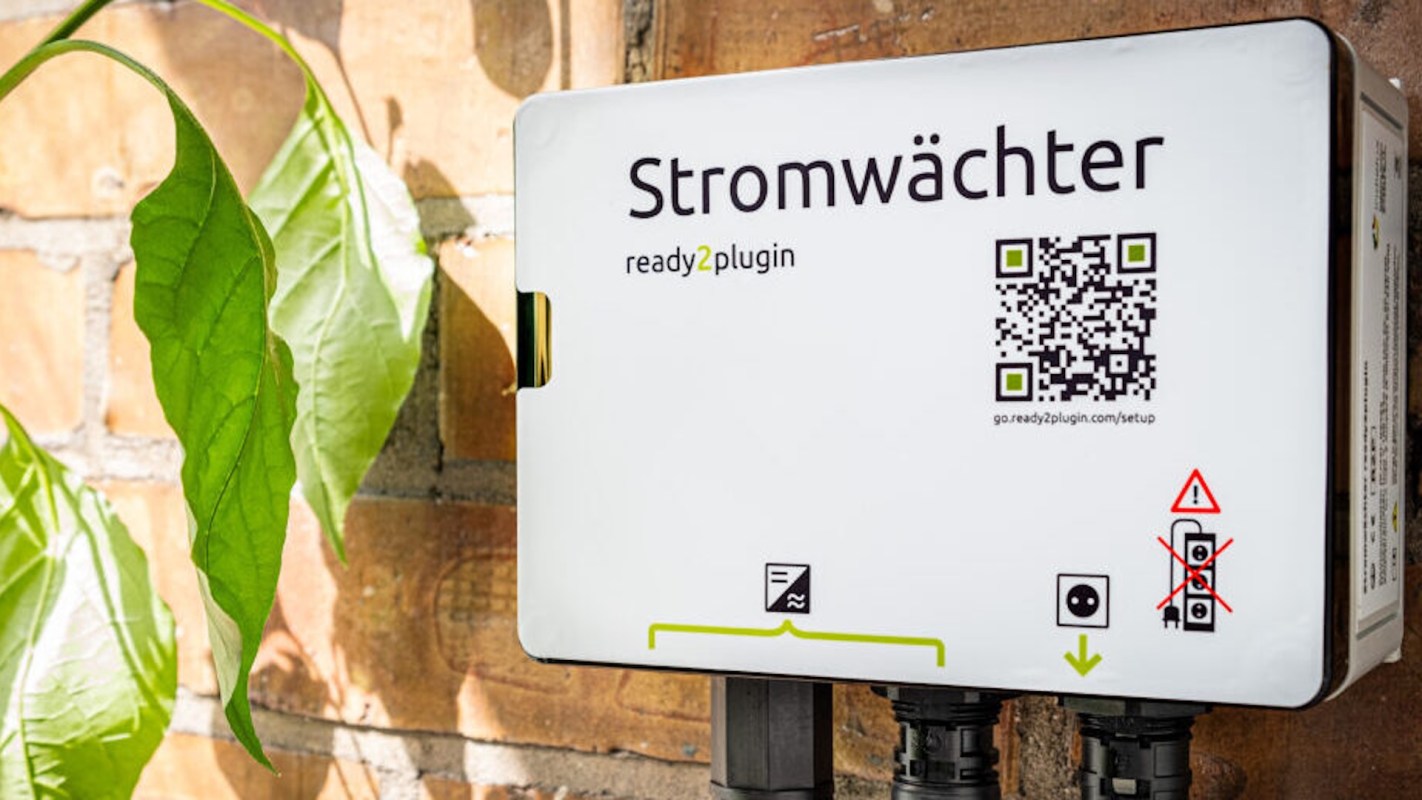
A pair of court rulings in Germany is sending a clear message to the fast-growing home energy market: A solar battery that plugs into a standard wall socket still has to prove it is safe.
For households looking to cut utility bills with simple home solar equipment, that could be an unwelcome complication. But it could also help prevent wiring hazards inside people's homes.
Here's what to know
According to ESS News' translation of a PV Magazine Deutschland report, courts in Bochum and Osnabrück left in place sales bans on certain plug-in solar battery systems over alleged missing circuit-overload protection. The outlet noted that one of the bans has already taken legal effect, and violations can carry fines of up to €250,000, or about $286,920.
Berlin-based Indielux brought the cases and said the retailers did not succeed on appeal, per PV Magazine Deutschland. The June rulings stopped sales of certain systems because the courts found they did not meet applicable VDE standards, which meant they could not be marketed as "plug & play" or as products installable "without an electrician."
According to Indielux, the concern arises when electricity is fed back into household wiring through a normal wall socket, because a fuse may then fail to protect wiring from overheating as intended. The company said setups connected to more than 960 watts of PV module capacity need a technical overload-protection measure.
Indielux added that only one manufacturer has shown that its plug-in solar battery system includes the necessary circuit-overload protection. Indielux said the device involved in the court proceedings lacked that protection, and its feed-in power could be set to 1.5 times the limit specified by the relevant standard.
TCD Picks » Quince Spotlight
💡These best-sellers from Quince deliver affordable, sustainable luxury for all




More background
Plug-in solar battery systems have become a popular entry point for people who want cheaper, cleaner energy without committing to a full rooftop panel installation. Their simple setup and lower upfront cost can make them especially appealing to apartment dwellers and families trying to reduce monthly expenses.
If wiring overheats or household protections fail, the result could be property damage and a fire risk.
It also said German market-surveillance authorities have examined the issue. As PV Magazine Deutschland reported, Indielux said almost 250,000 plug-in solar systems with more than 960 watts of PV capacity were registered in Germany's Market Master Data Register in the 12 months before Sept. 21, 2026.
Including unregistered systems, the company estimated the potentially affected market at around €500 million ($572.3 million).
What can be done?
Marketing that a product can be installed "without an electrician" should not be treated as proof that it is fully compliant or risk-free. Anyone considering a plug-in solar battery or panel should ask whether the system independently demonstrates conformity with the relevant VDE standards, especially if it exceeds 960 watts of PV capacity.
People who already own one of these systems may want to contact the seller or manufacturer and request written confirmation about overload protection and compliance. If the response is unclear, the safest way to determine whether the setup needs to be modified may be to consult a licensed electrician.
Clearer labeling, third-party safety verification, retrofit options for overload protection, and guidance from market-surveillance authorities could reduce the burden on consumers.
Germany's courts are not rejecting home solar. The rulings merely draw a line around safety requirements for plug-in systems, as PV Magazine Deutschland detailed.
Where can I learn more?
The rulings land in the middle of a broader debate over how quickly plug-in solar should expand as safety standards evolve.
• In Germany, apartment dwellers plugged in balcony solar and sparked a 3 million-unit boom.
• In New York, officials may allow plug-in solar panels on windows and balconies without approval.
• In Colorado, officials are removing barriers and red tape for residents without rooftop options.

Get TCD's free newsletters for easy tips, smart advice, and a chance to earn $5,000 toward home upgrades. To see more stories like this one, change your Google preferences here.






