


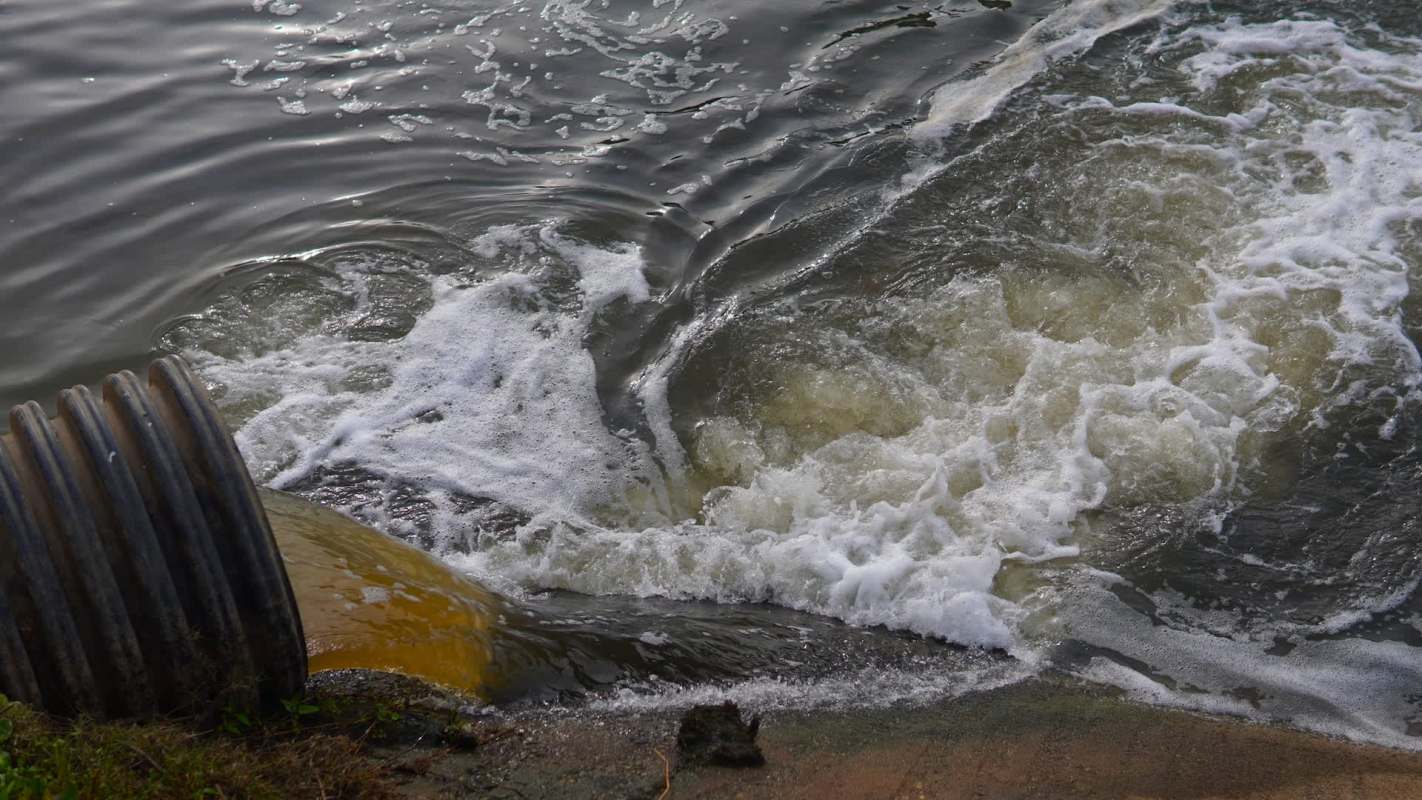
A chlorine spill at a Southwest Florida wastewater treatment plant is raising new questions about how chemical accidents are handled — and what can happen when a release reaches the ground before crews fully contain it, the Fort Myers News-Press reported.
Officials maintained that nearby waterways were not affected, but the scale of the spill and unanswered questions about possible soil impacts still prompted concern.
Here's what to know
Utility officials acknowledged that a Sept. 18 release at the Lehigh Acres wastewater treatment plant in Lee County sent about 2,000 gallons of liquid chlorine beyond a containment area and onto nearby ground, though it did not enter storm drains or local waterways.
State incident records cited by the News-Press indicated a manager discovered the discharge at about 8 a.m. at the Florida Governmental Utility Authority plant at 550 Construction Lane.
The report linked the problem to a chlorine tank drain.
The facility uses chlorine to disinfect water systems and clean pipes.
TCD Picks » Quince Spotlight
💡These best-sellers from Quince deliver affordable, sustainable luxury for all




Florida Governmental Utility Authority spokesperson Alexis Mejia asserted that it was "basically the same chlorine that people use in their pools," though in this case, it was released in a much larger volume.
Ultimately, the spill was equivalent to about 40 average bathtubs of liquid chlorine.
Questions about what the spill may have done to soil in and around the site went unanswered.
More background
Because Southwest Florida's sandy ground is highly porous, it is still unclear whether any of the chemical seeped downward into the shallow aquifer.
The incident report claimed the spill stayed out of drains and waterways, but that still leaves what may have happened below the surface a mystery.
Without more detail about factors such as how long the chlorine stayed on the ground and how concentrated it was, Calusa Waterkeeper Emeritus John Cassani said the consequences were difficult to pin down.
In an email, he wrote that there were "too many loose variables."
"At a minimum it would likely sterilize the upper levels of soil contacted," Cassani added, while noting that it was "hard to be specific."
Chlorine is widely used as a disinfectant, but in concentrated form it is also corrosive.
Questions lingered about whether the spill was stopped quickly, whether contaminated soil was removed or neutralized, and whether regulators will require additional testing.
What's being done?
According to the incident report, the operator stopped the leak.
By 10:20 a.m. on Sept. 18, crews were working to "capture and recover as much of the discharged material as possible."
Mejia said the response when chlorine reaches the ground is straightforward.
"When/if the chlorine hits the ground or soil, they'll just dilute it with water," he said.
"There's nothing to worry about," Mejia added.
Per the News-Press, the utility and the Florida Department of Environmental Protection did not immediately answer questions about how far the chlorine may have moved into the soil.
Where can I learn more?
Other contamination cases show how wastewater and chemical pollution can spread beyond the original spill site. These articles cover toxic wastewater spills, sludge-linked pollution, canal contamination, and PFAS cleanup efforts.
• In Texas, toxic wastewater spills left land barren and raised alarms over disposal practices.
• In Brooklyn, a Gowanus Canal lawsuit revived scrutiny of decades of industrial contamination.
• In Maine, officials built a sludge treatment plant to strip PFAS from waste.

Get TCD's free newsletters for easy tips, smart advice, and a chance to earn $5,000 toward home upgrades. To see more stories like this one, change your Google preferences here.






