


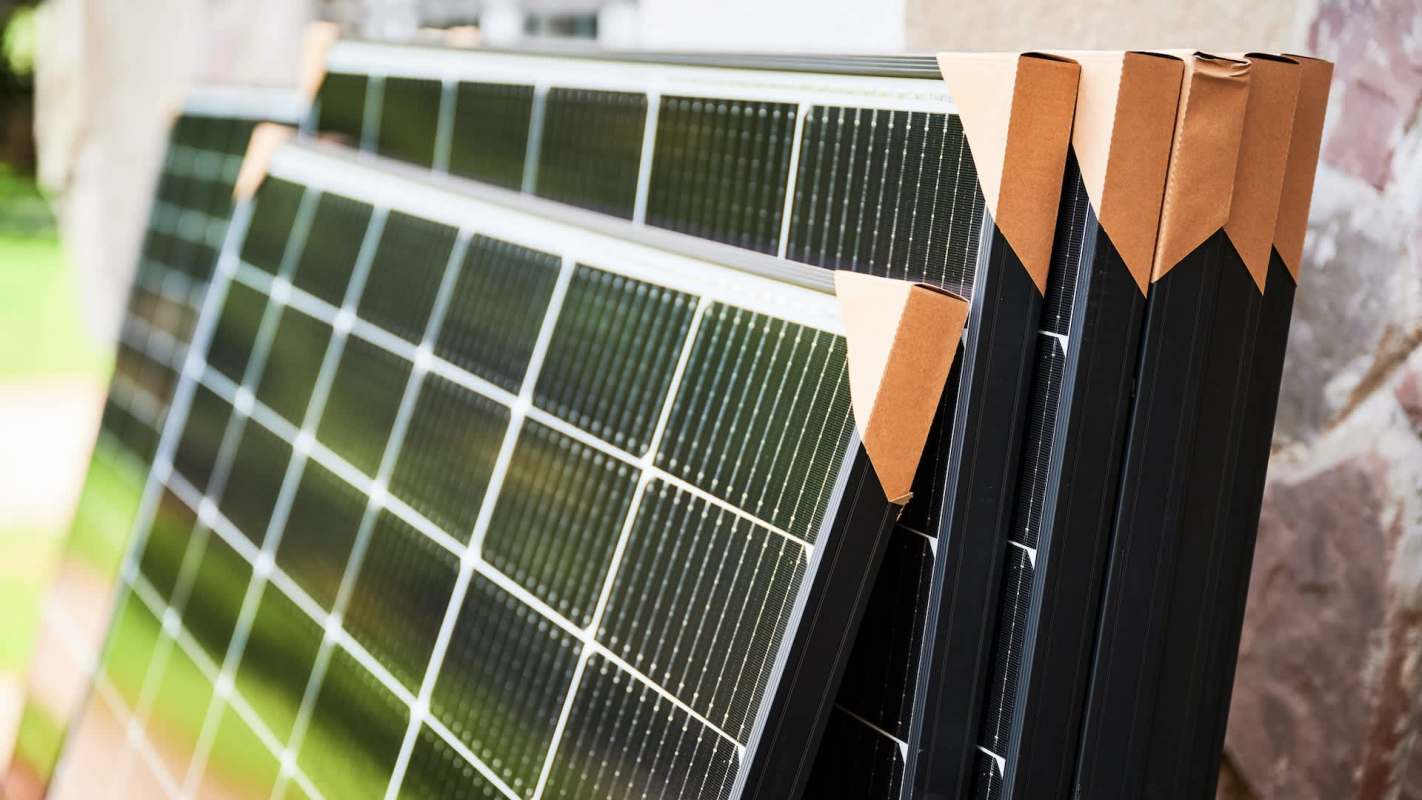
For one Florida homeowner, the dream of cutting electric bills with DIY solar quickly got complicated.
By the time most of the equipment for a ground-mount setup was purchased, the owner found that Hillsborough County might require permits and engineer-sealed plans they hadn't accounted for.
The post highlights a costly mistake that can trip up would-be solar adopters anywhere: purchasing equipment before confirming zoning, wind-load, and permit requirements.
Here's what to know
In a Reddit post in r/diySolar, the homeowner wrote, "I feel kinda stuck and am ready to say screw the rules and just do it," while also worrying that an unpermitted setup could create insurance or resale problems.
In a follow-up comment, the original poster admitted, "They require engineer signed and sealed plans to start. Which I guess is my next hole into which I will throw money. I'd been told that the ag business was enough to gain exemption by a county code enforcement without researching further. When I called someone told me it had to be full greenbelt status."
Advice in the thread included reviewing county zoning rules, talking directly with permitting staff, and considering mounting systems that already come with approved engineering documentation.
One commenter also summed up why Florida may be tougher than some states, asking, "With hurricanes and such those ground mount structures can become dynamic projectiles fast, no?"
For homeowners, the financial upside of solar can still be significant. Going solar is one of the best ways to save money on home energy over time, but it helps to price a project correctly from the start.
Save $10,000 on solar panels without even sharing your phone number Want to go solar but not sure who to trust? EnergySage has your back with free and transparent quotes from fully vetted providers that can help you save as much as $10k on installation. To get started, just answer a few questions about your home — no phone number required. Within a day or two, EnergySage will email you the best local options for your needs, and their expert advisers can help you compare quotes and pick a winner. |

Tools like EnergySage can help people get free solar installation estimates and compare quotes before spending money on equipment.
They said the installation was meant to power a metal outbuilding rather than connect to the grid.
More background
Ground-mount solar can make a lot of sense for people with larger properties.
It can avoid roof penetrations, make maintenance easier, and allow panel placement that captures more sunlight.
More From EnergySage
💡Go deep on the latest news and trends shaping the residential solar landscape

If a system has to be redesigned, re-permitted, or removed, the added costs can quickly eat into any expected utility savings.
Mixed messages can make the process even harder, especially when zoning classifications or agricultural exemptions change what a property owner can do.
What can be done?
The safest time to sort out local requirements is before spending money on panels, mounts, or inverters.
To see what is likely to pass review, homeowners can check zoning maps, contact county permit offices, and consider racking manufacturers that provide stamped engineering documents.
For people still weighing their options, EnergySage can add real value during the planning process. With EnergySage's help, the average person can save up to $10,000 on solar purchases and installations.
You can also use EnergySage's solar map to see the average cost of a home solar panel system in each state and review solar incentives by state. Together, those tools can help them get the best price for rooftop solar panels and access available incentives.
Adding battery storage to a solar setup is also one of the best ways to protect your home during outages, save money on energy, and go off-grid. Homeowners interested in that route can explore EnergySage for information about home battery storage options, including competitive installation estimates.
Where can I learn more?
Home solar projects can get complicated fast, whether because of permits, HOA rules, policy changes, or installation costs. These stories follow homeowners dealing with those exact hurdles.
• In California, homeowners hit a major obstacle in the pursuit of new solar installations.
• One homeowner weighed installing panels despite firm HOA policy and fears of lawsuits.
• In Wisconsin, a homeowner sought answers after receiving resistance to solar from an HOA.
• Another homeowner considered a sneaky method to avoid an HOA's solar restrictions.
• EnergySage unpacked the mystery of solar costs facing homeowners planning new installations.

Get TCD's free newsletters for easy tips, smart advice, and a chance to earn $5,000 toward home upgrades. To see more stories like this one, change your Google preferences here.






