


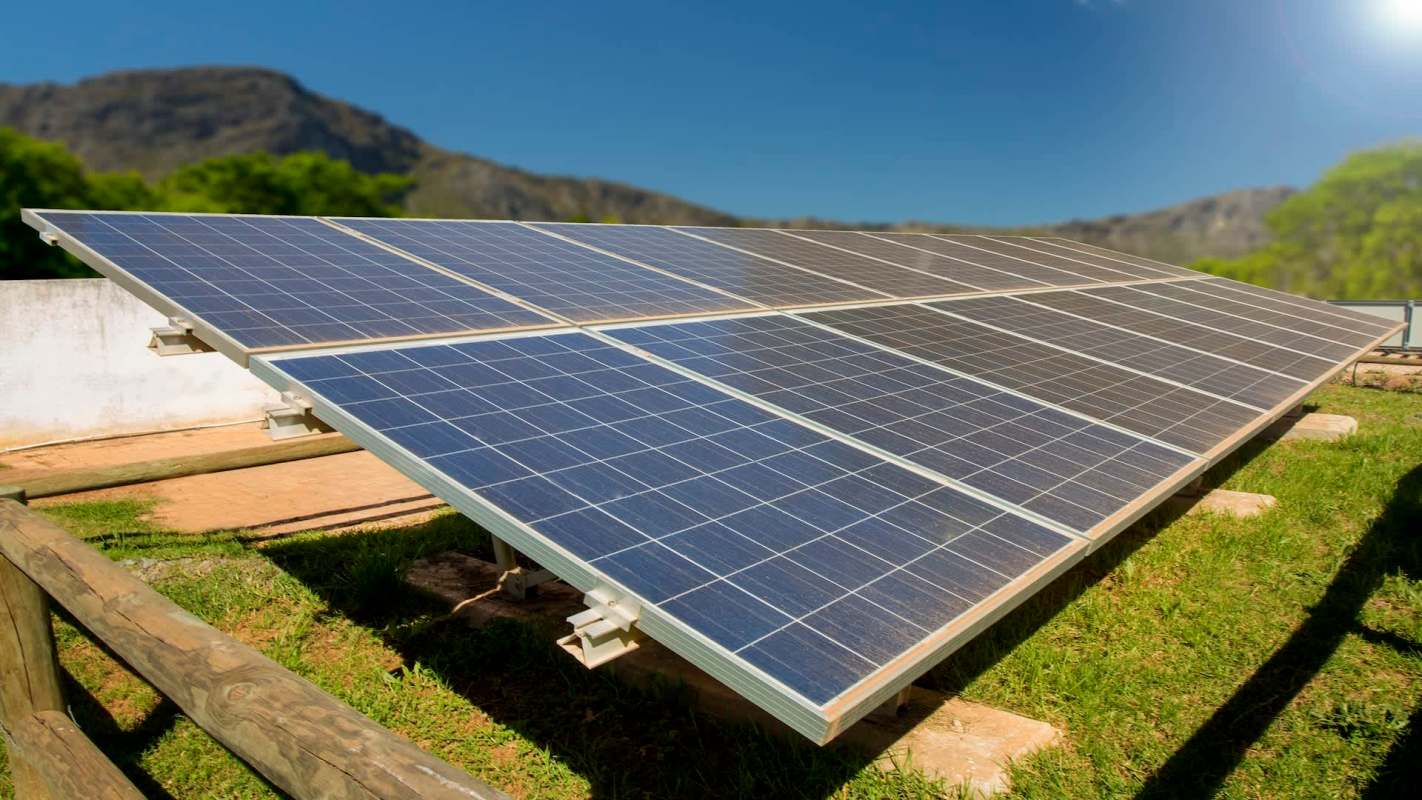
Buying solar can feel intimidating, especially when misleading claims about equipment life keep circulating online.
Offgridmaric (@offgridmaric) is pushing back on one of the most common myths: that a full solar setup only lasts around three years.
Here's what to know
In a TikTok post, the creator wrote, "Yes, some components will eventually need replacing… but your entire setup doesn't suddenly expire after 2–3 years."
@offgridmaric Solar power setups only last 3 years?! We hear this a LOT, so let's clear up one of the common misconceptions about solar. 😅 Yes, some components will eventually need replacing… but your entire setup doesn't suddenly expire after 2–3 years. #solarpower #solarenergy #offgridliving #solarpanels #farmlife ♬ original sound - Music Vibes Chill
Different parts of a solar energy system wear out on different schedules. As a result, maintaining or replacing one component does not mean the whole system has failed.
If homeowners assume a system will "expire" after only a few years, they could miss out on lower utility bills, greater energy independence during outages, and less reliance on unpredictable electricity costs.
One commenter wrote, "In reality, I doubt the '20' on batteries last 8-20 years. Because there are so many factors affecting the lifespan of the batteries."
Battery life and the longevity of other solar equipment can depend heavily on how the system is used and maintained.
For many households, going solar is one of the most effective ways to save money on home energy over time. Homeowners who want to compare options can try EnergySage to get free solar installation estimates and compare quotes.
Save $10,000 on solar panels without even sharing your phone number Want to go solar but not sure who to trust? EnergySage has your back with free and transparent quotes from fully vetted providers that can help you save as much as $10k on installation. To get started, just answer a few questions about your home — no phone number required. Within a day or two, EnergySage will email you the best local options for your needs, and their expert advisers can help you compare quotes and pick a winner. |

More background
Solar systems can seem complicated from the outside. Panels, batteries, wiring, charge controllers, and inverters all serve different functions, so they also come with different maintenance needs and replacement timelines.
Solar is more comparable to other major home systems, where some components need attention sooner than others. Roofs, HVAC systems, and water heaters all work in much the same way, with ongoing upkeep playing a role in long-term ownership.
A well-designed solar setup can lower monthly costs, offer peace of mind during grid outages, and make off-grid or backup-power living more practical. Increased solar adoption can also reduce pollution from fossil-fuel-generated electricity, supporting cleaner air and healthier communities.
What can be done?
Adding battery storage to a solar setup is one of the best ways to protect your home during outages, save money on energy, and go off-grid. It can also make a system more useful day to day by storing excess power for later use instead of letting it go to waste. You can explore EnergySage for information about home battery storage options, including competitive installation estimates.
More From EnergySage
💡Go deep on the latest news and trends shaping the residential solar landscape

Another useful planning tool is EnergySage's solar map, which shows the average cost of a home solar panel system by state, along with details on solar panel incentives for each state. Together, these resources can help homeowners get the best price for rooftop solar panels and access available incentives.
For homeowners ready to move from curiosity to action, EnergySage can make the process far easier to navigate. With EnergySage's help, the average person can save up to $10,000 on solar purchases and installations. That kind of comparison shopping can help people avoid overpaying while feeling more confident in the long-term value of their system.
Where can I learn more?
These articles take a closer look at the myths, maintenance needs, and long-term performance questions that often come up when people consider solar.
• In Switzerland, solar panels kept producing strongly even after 30 years on rooftops.
• Across U.S. homes, common solar myths fall apart once homeowners compare real performance and savings.
• An off-grid homeowner showed that solar still works in winter when systems are sized well.
• Off-grid users say snow-covered solar panels can still generate useful power in cold climates.

Get TCD's free newsletters for easy tips, smart advice, and a chance to earn $5,000 toward home upgrades. To see more stories like this one, change your Google preferences here.






