


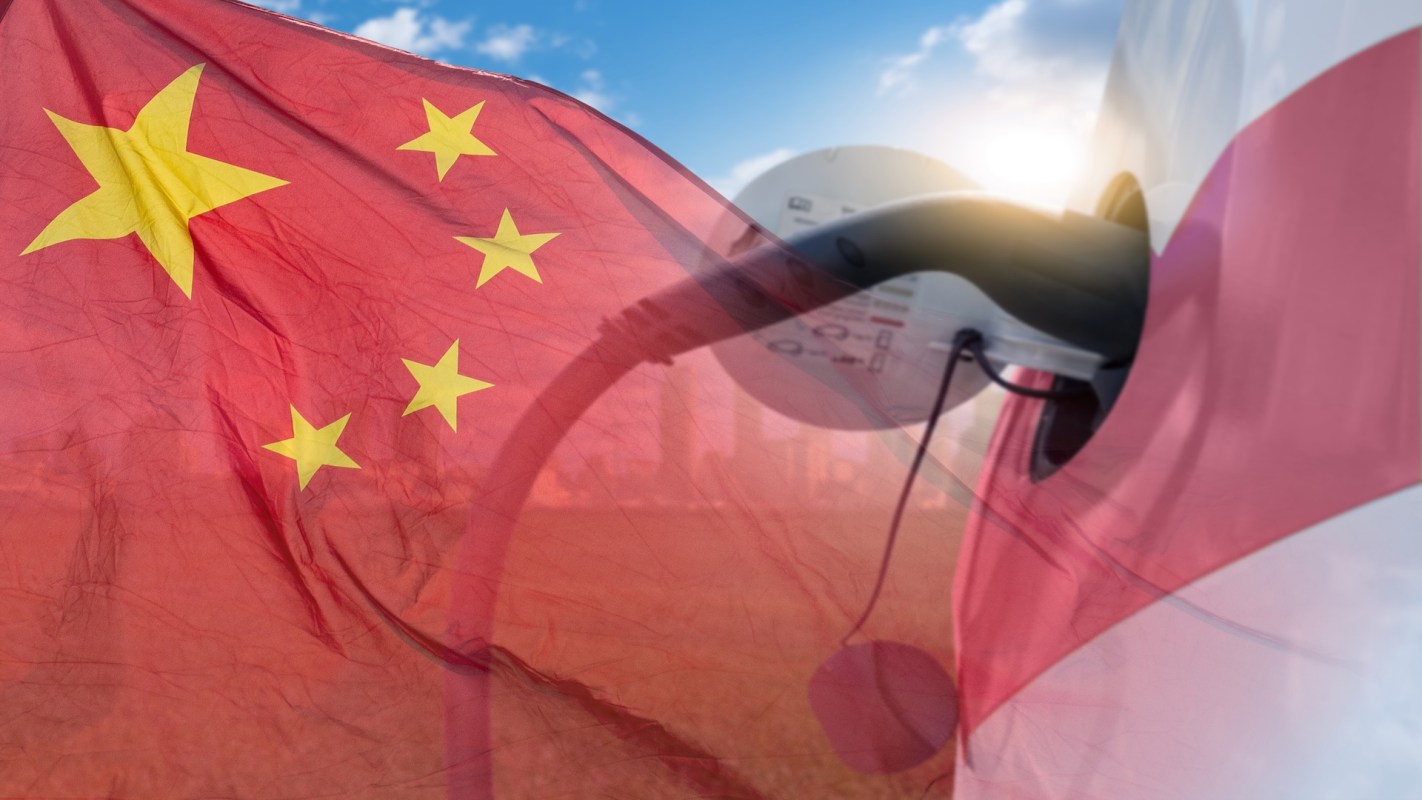
Some of the biggest names in the auto industry are urging the White House to take a firm stance against Chinese car companies entering the U.S. market, arguing that the issue goes far beyond competition on dealership lots.
For workers, suppliers, and dealers in communities tied to auto manufacturing, the debate is about jobs, supply chains, and who stands to benefit from the next era of vehicle production.
Here's what to know
According to DBusiness, a coalition of automakers and trade groups, including General Motors, Ford Motor, Stellantis, Toyota, Volkswagen, Hyundai, and Tesla, sent President Donald Trump a letter urging his administration to stop Chinese carmakers from importing, selling, or building vehicles in the United States.
After Trump said that he would be "comfortable" with Chinese car companies making vehicles in the U.S., copies of the letter were sent to Treasury Secretary Scott Bessent, Commerce Secretary Howard Lutnick, and trade representative Jamieson Greer.
The signatories included a range of stakeholders, including the Alliance for Automotive Innovation, the American Automotive Policy Council, the Motor & Equipment Manufacturers Association, Autos Drive America, the National Automobile Dealers Association, and the Zero Emission Transportation Association.
"In advance of Chinese President Xi Jinping's visit to Washington, we urge your administration to maintain policies that keep the door firmly shut to Chinese automakers seeking to sell, import, or manufacture vehicles inside the U.S.," the groups wrote in the letter, per DBusiness.
TCD Picks » Quince Spotlight
💡These best-sellers from Quince deliver affordable, sustainable luxury for all




More background
They say a factory in the U.S. would not necessarily mean the gains stay in American communities. In their view, those plants would depend on Chinese suppliers and parts and would be overseen by people with ties to the Chinese government.
DBusiness reported the groups argued that a U.S. factory could become a launchpad for Chinese automakers, hurting companies already operating here while shifting jobs away from manufacturers that have invested in the U.S. for generations.
The groups also argued that the effects would extend to the retail side of the industry, saying the move could erode the value of "17,000 auto dealerships in our country that benefit consumers and communities nationwide," as the outlet reported.
On the consumer side of things, it's worth pointing out that the charging capabilities, low prices, and technology of Chinese EVs frequently garner envy from Americans. The desire to get access to those vehicles is in conflict with the interests of industry stakeholders.
What's being done?
Automakers and trade groups are urging the administration to keep in place barriers that prevent Chinese vehicle manufacturers from establishing a presence in the U.S. market.
The letter makes clear the industry's position.
"The automotive sector is foundational to our advanced manufacturing and defense base, with the capacity and workforce to respond during a national emergency," it reads, according to DBusiness. "Once that base is hollowed out, it can't be rebuilt overnight."
Where can I learn more?
The debate over Chinese automakers' access to the U.S. market is playing out on several fronts, from factory plans to software restrictions.
• Ford CEO Jim Farley said Chinese automakers in the U.S. would devastate American manufacturing.
• Lawmakers moved to bar Chinese cars from entering the country over spying fears.
• New U.S. rules on Chinese automotive software imports could reshape how global EV makers compete.
• Trump restrictions left Chinese-owned Swedish EV maker Polestar unable to sell new cars in America.
• Federal regulators gave Volvo special approval for China-linked connected cars despite a U.S. ban.

Get TCD's free newsletters for easy tips, smart advice, and a chance to earn $5,000 toward home upgrades. To see more stories like this one, change your Google preferences here.






