


A striking new snapshot of family finances in Canada suggests that, for many households, adulthood no longer means full financial independence.
Here's what to know
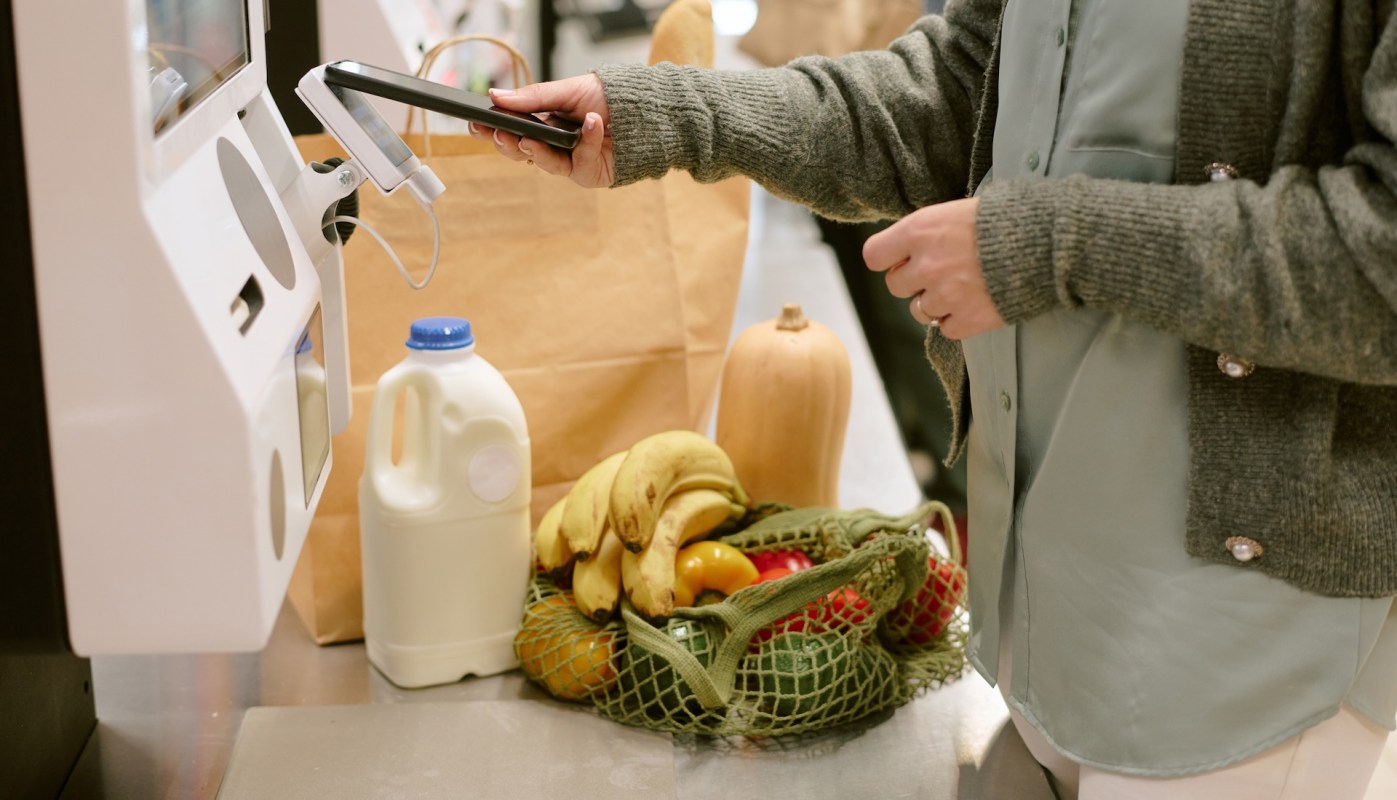
More than half of Canadian parents said they helped support their adult children, with groceries emerging as the most common expense.
In an Instagram post, Toronto Culture (@toronto.culture) said an RBC survey found that just 51% of Canadian parents had given financial help to an adult child, with the average amount coming to about $6,000.
Emergency costs, rent, and utilities also showed up often, but groceries were the item parents covered most frequently.
Support was also reaching people well beyond their early 20s. Nineteen percent of parents who gave help were supporting children ages 35 to 40, while 21% were helping those aged 30 to 34.
Among respondents to a NOW in Toronto, high housing costs, grocery bills, and a difficult job market were cited as major barriers to full financial independence.
TCD Picks » Quince Spotlight
💡These best-sellers from Quince deliver affordable, sustainable luxury for all




More background
The survey findings challenge the idea that financial dependence ends in someone's 20s. Higher living costs and a difficult job market can delay major milestones such as moving out, paying down debt, or building an emergency fund.
The findings underscore pressure around housing affordability, wages, and essential goods.
What can be done?
While cost-of-living crises are mostly dependent on government intervention to ease pressure, householders can make some changes to reduce spending.
Making food stretch further by batch cooking and freezing can make a huge difference to weekly grocery bills, while thrift shopping can help shoppers find clothes and kitchen essentials for much less than brand-new items.
More drastic changes could see homeowners install solar panels to reduce long-term energy costs, but this often requires a significant upfront investment. However, Palmetto's solar leasing program can let residents get all the benefits of lower energy prices with no money down.
Where can I learn more?
The squeeze on essentials isn't limited to Canada.
• Across the U.S., households are borrowing for groceries, draining savings, and missing payments.
• Nearly nine in 10 Americans say rising costs for basics are becoming the new normal.
• An affordability crisis is squeezing budgets through groceries and gas.
• U.S. households now face dramatic increases in utility costs as extreme heat strains family budgets.

Get TCD's free newsletters for easy tips, smart advice, and a chance to earn $5,000 toward home upgrades. To see more stories like this one, change your Google preferences here.






