


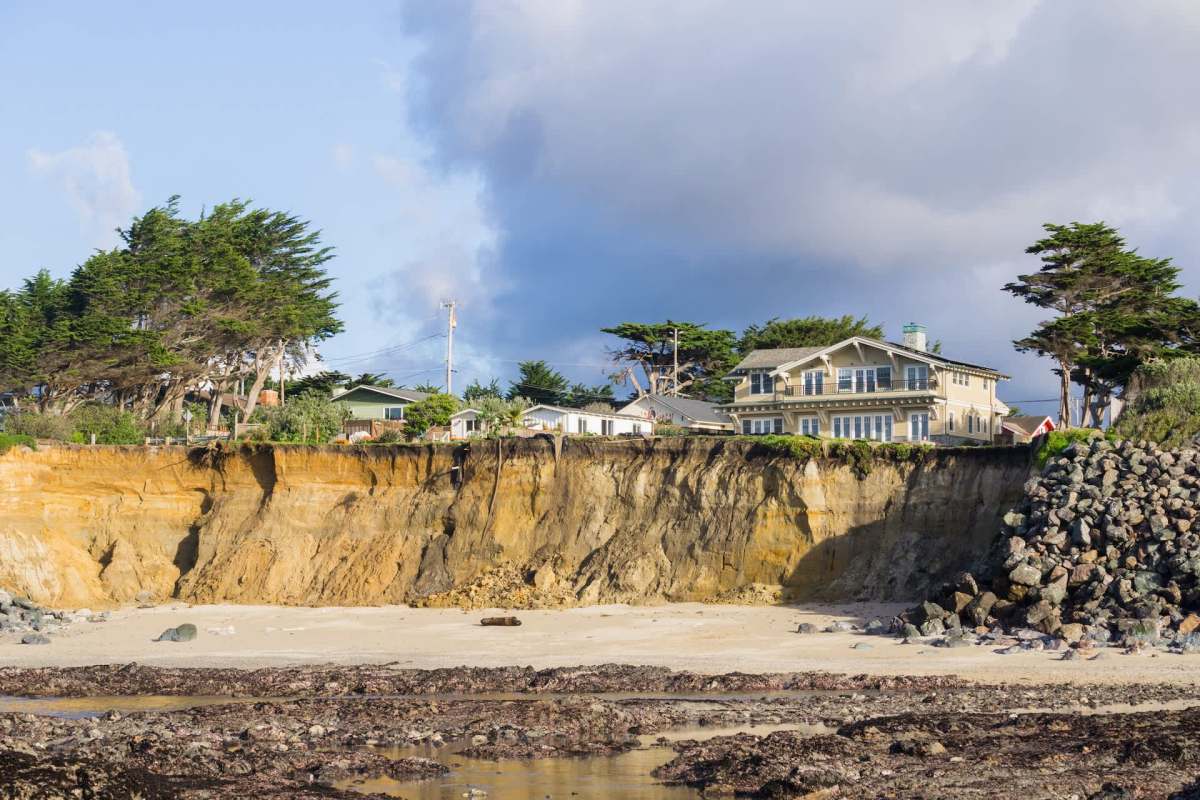
With forecasters warning that El Niño could drive destructive surf, flooding, and rapid shoreline erosion, Gov. Gavin Newsom has declared a statewide emergency.
Here's what to know
Officials are bracing for a particularly intense El Niño. Government forecasters, cited by the Los Angeles Times, have said there is a 75% chance this event will be stronger than any El Niño since 1950.
In the proclamation, the state said El Niño may produce severe storms and hazardous surf that "warrants early, coordinated, and targeted preparedness actions to protect Californians, critical infrastructure, agricultural lands, natural resources, and the State's economy."
Newsom also signed emergency proclamations for several counties, including Santa Barbara County, after Pacific storms hit coastal communities. Flooding damaged homes from south Orange County to Malibu, while erosion cut into beaches and shorelines from Carlsbad to Long Beach.
Before the statewide action, Laguna Beach, Dana Point, and Carlsbad had already declared emergencies over erosion and sand loss. Orange County officials said they were activating the county's emergency operations center after multiple cities issued local emergency declarations.
More background
Coastal damage can disrupt transportation, strain emergency services, threaten homes, and leave families facing steep repair and insurance costs. In burn-scarred areas and flood-prone communities, heavy storms can also raise the risk of debris flows and dangerous runoff.
TCD Picks » Quince Spotlight
💡These best-sellers from Quince deliver affordable, sustainable luxury for all




Flooding and erosion can damage property, shut down roads, interrupt businesses, and put public health at risk by making evacuations harder and recovery more expensive.
Part of the immediate concern stems from a south swell linked to Hurricane Marie, which formed during an unusually active eastern Pacific hurricane season often associated with El Niño. The state is also tracking a "coastally trapped Kelvin wave" moving up Mexico's coastline toward the U.S. West Coast, the L.A. Times reported.
What's being done?
By declaring the emergency, California has more flexibility to prepare for flood, storm, and coastal-damage threats before they worsen. That can help steer state resources toward vulnerable communities, emergency coordination, and protection for roads, infrastructure, and natural areas at risk.
Preparation may include reviewing flood risk, checking evacuation plans, protecting valuables, and understanding whether a home sits in an erosion-prone coastal zone or near areas vulnerable to post-fire runoff.
The declaration also gives first responders and local governments more support as they prepare for rough surf, flooding, and infrastructure damage. Repeated disasters can ripple through the economy, from home-repair bills to disruptions affecting utilities, transportation, and other essential services.
In a prepared statement released Sept. 21 with the emergency declaration, Newsom said: "California is strongest when we look out for one another. That is what this action is about."
"Giving communities the support they need, giving first responders the tools to do their jobs, and giving families the confidence that their state is ready."
Where can I learn more?
California isn't the only place stepping up preparations to deal with extreme weather conditions.
• On the West Coast, catastrophic coastal flooding risks are rising as atmospheric rivers intensify.
• In Maui, sea-level rise threatens homes, roads, and thousands of coconut trees.

Get TCD's free newsletters for easy tips, smart advice, and a chance to earn $5,000 toward home upgrades. To see more stories like this one, change your Google preferences here.






