


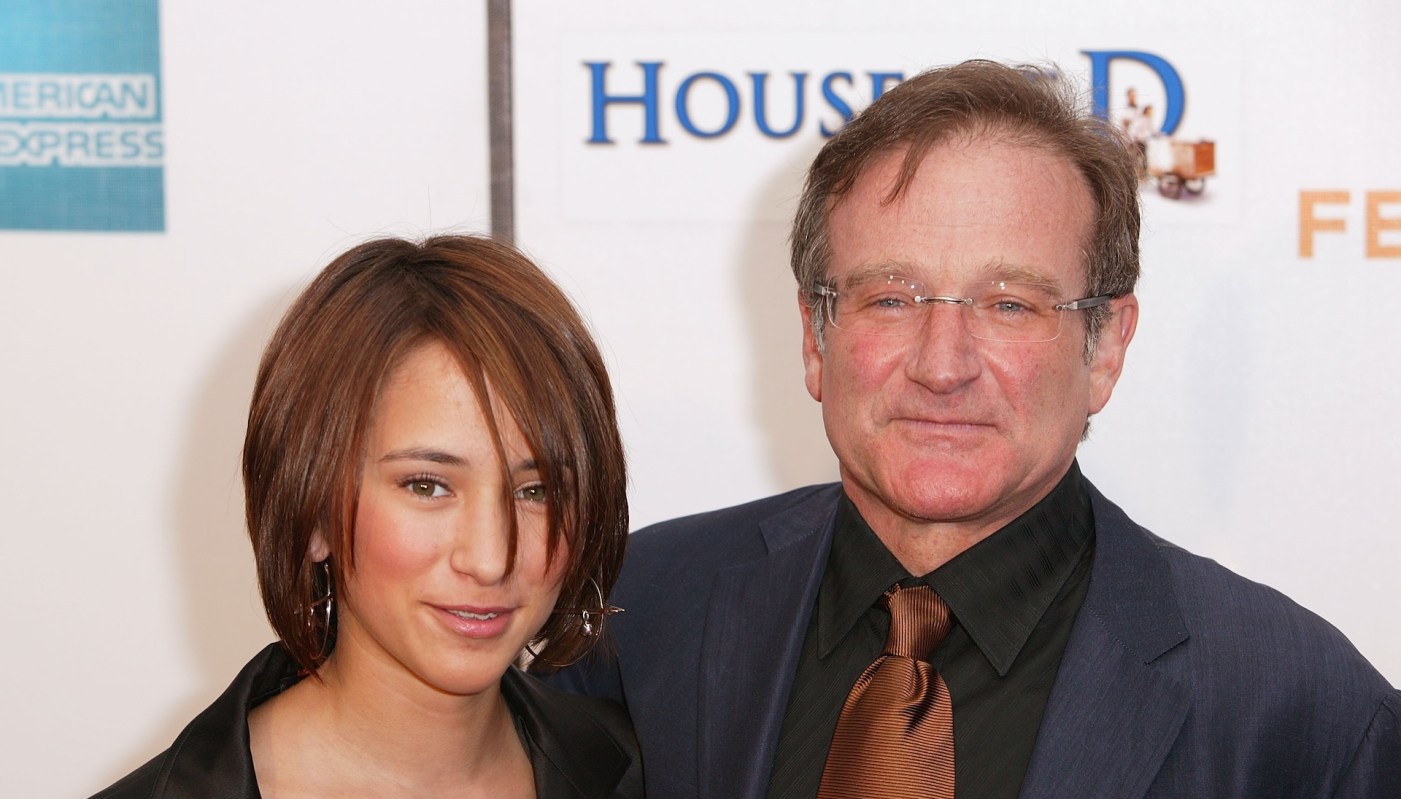
More than a decade after Robin Williams' death, his daughter is condemning artificial-intelligence-generated videos that falsely present the late comedian.
Zelda Williams also had strong words for the people helping to create and circulate the AI-faked content, some of which has portrayed her father as supporting opaque conspiracy theories.
Here's what to know
A recent example of such videos is a 13-second clip posted on social media on Sept. 18. It shows an AI-generated Robin Williams saying he has "been in this industry for a long time" and "seen things" before adding, "The real elite, the ones at the very top, they don't just play power games — they worship something much darker."
"That supposedly 'private video' of Dad that I've been shown talking about conspiracies is clearly AI, and not even particularly convincing AI," Zelda Williams later wrote on social media. "Anyone who claims to be a fan who believes it clearly listened to his movies on mute because that voice is robotic and terrible."
The comedian's daughter also directed some of her sharpest criticism at the people behind the fake content, writing, "That said, a human made a robot create it, and to you I say: Leave him out of your delusional b******* and let him rest."
Despite a community note on the social media platform X identifying the post as a deepfake, the clip still spread widely, drawing 11,000 likes as of Sept. 23.
TCD Picks » Quince Spotlight
💡These best-sellers from Quince deliver affordable, sustainable luxury for all




More background
Zelda Williams has raised similar objections in the past. In 2023, she said AI models used to mimic her father's voice were "personally disturbing," Futurism reported.
After text-to-video generators became more common, she issued another plea, according to the tech outlet: "Please, just stop sending me AI videos of Dad. Stop believing I wanna see it or that I'll understand, I don't and I won't."
What can be done?
Many experts agree that, in addition to individual users, social media platforms bear responsibility for moving more quickly and accurately when fabricated content is clearly misleading. Labels identifying deepfakes and community notes can help, but they often arrive only after a clip has already gained widespread attention.
Developers and creators can also build and use stronger guardrails, including watermarking, provenance tools, and tighter restrictions on using the likenesses and voices of real people.
Such measures will not stop every fake, but they can help people distinguish real footage from manufactured content.
"Just because he's gone does not mean he's now your puppet," Zelda Williams said. "Have some shame."
Where can I learn more?
These stories show how the backlash to AI-generated media and entertainment is playing out across Hollywood and online:
• Morgan Freeman said AI-generated voices copying him are theft, underscoring performers' fears over digital mimicry.
• Industry criticism of an "AI actress" emerged after unsettling comments intensified fears about replacement.
• The editor of The Brutalist drew fire after concerning use of AI in the film's voice work.
• Fans said awful images of iconic Wallace and Gromit characters showed AI mangling beloved classics.
• Online, disturbing AI fake movie posters left viewers worried that fabricated releases looked real.

Get TCD's free newsletters for easy tips, smart advice, and a chance to earn $5,000 toward home upgrades. To see more stories like this one, change your Google preferences here.






