


In Belgium, one homeowner spent the first six months after buying a house building out an extensive smart home system, then admitted that reaching the mostly finished stage felt a little bittersweet.
While that may sound niche, the setup shows how home automation can do far more than make lights flash on command. It can also help cut wasted electricity, water, and even costly power spikes.
Here's what to know
The system had grown to 420 devices, along with 3,232 entities, 343 helpers, and 85 automations. In a Reddit post, the owner said buying the house at the end of March finally gave them a chance to build a smart home "properly from the ground up."
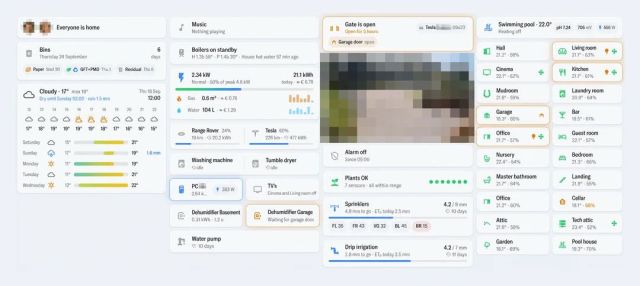
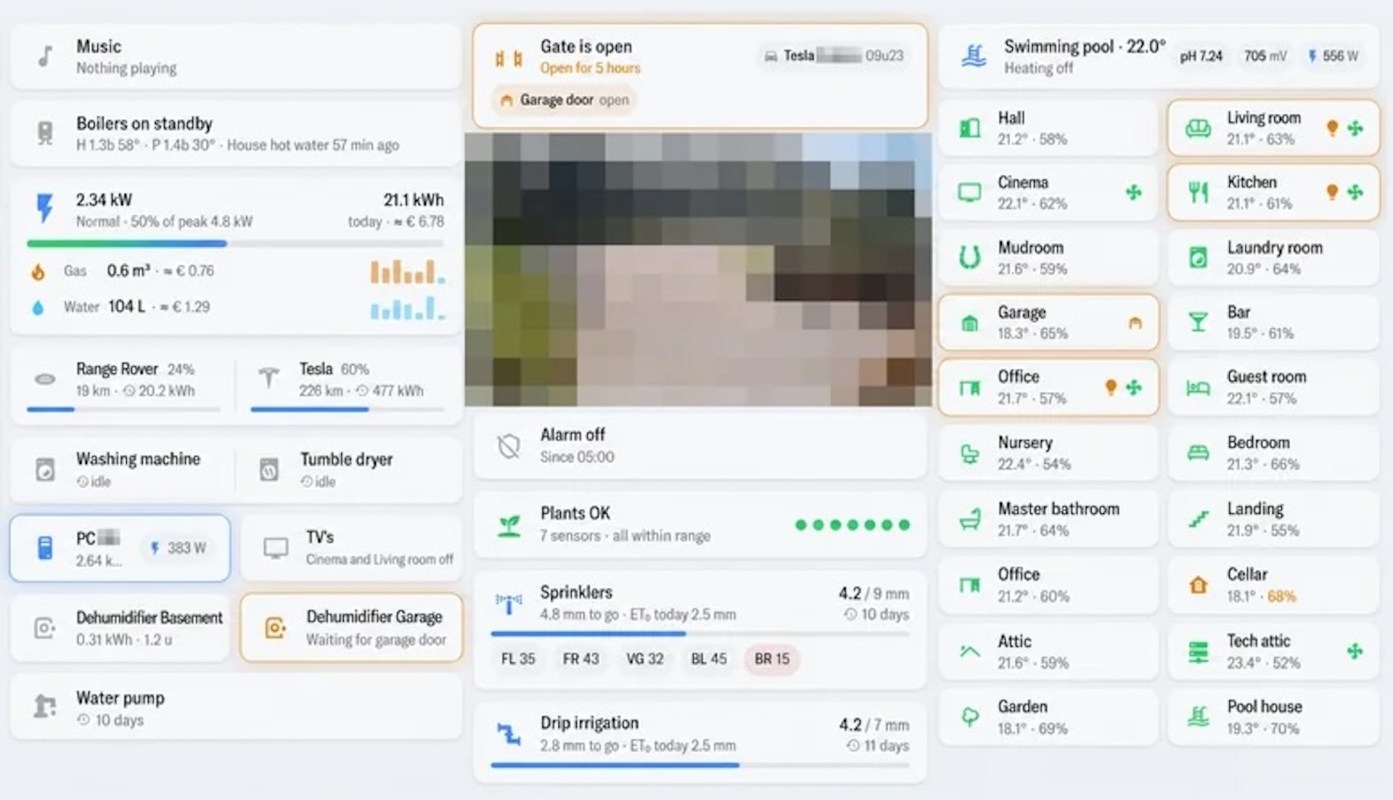
A single dashboard brings together lighting, cameras, irrigation, boilers, electric vehicle chargers, appliances, dehumidifiers, gate controls, leak sensors, and room-by-room climate data. It relies on custom-built cards within a central interface meant to make useful household information easy to scan.
Many routines aim less at novelty than at reducing waste and lowering costs. Examples in the post include irrigation guided by evapotranspiration, rainfall, and soil-moisture readings, washing machine alerts verified with power-draw data, and a garage dehumidifier that stays off when the door is open.
In Belgium, demand-related pricing means a home's monthly power peak can affect the bill, so one part of the dashboard tracks that figure alongside daily electricity, gas, and water usage.
TCD Picks » Quince Spotlight
💡These best-sellers from Quince deliver affordable, sustainable luxury for all




More background
According to the homeowner, almost everything in the house is power-metered, allowing the system to infer the remaining usage instead of hardcoding every individual load.
Rather than relying on a simple timer, the setup tracks cumulative water deficit and counts rainfall only up to the amount the sandy soil can retain.
The homeowner also said they plan to install about 15 kilowatts of solar and a 14-kilowatt-hour home battery.
What can be done?
A few targeted upgrades can still deliver savings, including smart plugs to identify energy hogs, leak sensors near appliances, and basic automations that shut off or delay devices when conditions are not right.
For homeowners with EVs or time-of-use electricity rates, tracking when large appliances run can be especially useful. Avoiding simultaneous heavy loads may reduce demand-related charges where they apply, while charging a vehicle during lower-cost periods can cut monthly bills.
Soil sensors, weather-based irrigation, and alerts for open doors or windows can help keep a home from wasting power heating, cooling, or dehumidifying spaces that aren't sealed.
And as one commenter reminded the original poster, "It's never done."
"Its never done, but I must say, I am four years in myself and I haven't changed a whole lot the past year," another person added. "Only added things because I got a new car charger for example, but other than that it has been running mostly unchanged for a year."
Where can I learn more?
For a closer look at how smart home tech can pay off, these articles explore the kinds of connected devices, batteries, and controls that can help a home run more efficiently.
• Schneider Electric offers smart home solutions that coordinate lighting, heating, and appliances to trim bills.
• Integer Technologies says intelligent HVAC controls can turn buildings into smart energy hubs.
• In the U.K., Solarwatt and Stiebel Eltron unveiled a first-of-its-kind home built for efficient living.

Get TCD's free newsletters for easy tips, smart advice, and a chance to earn $5,000 toward home upgrades. To see more stories like this one, change your Google preferences here.






